


Alabama’s Natural Resources at a Crossroads: Understanding Conservation Policies for a Sustainable Future
The Lead
As the sun rises over Alabama’s diverse ecosystems, from the sprawling forests of the Appalachian foothills to the meandering wetlands of the Gulf Coast, the urgency of conservation efforts hangs in the air. With increasing pressures from development and climate change, the Alabama Department of Conservation and Natural Resources (ADCNR) faces the dual challenge of safeguarding vital habitats while fostering outdoor recreation for the state’s growing population.
A Comprehensive Examination of Alabama’s Conservation Strategies
The ADCNR stands at the forefront of managing Alabama’s precious natural resources, implementing policies designed to balance ecological sustainability with recreational accessibility. Key initiatives include habitat restoration programs, stringent wildlife regulations, and educational outreach aimed at promoting an ethic of stewardship among residents and visitors alike.
-
Wildlife Management: The state employs data-driven approaches to manage species populations, ensuring adaptive measures are taken in response to changing conditions. This includes monitoring carrying capacity in crucial ecosystems, such as the longleaf pine forests that serve as critical habitats for numerous species.
-
Recreational Access: Recognizing the need for responsible outdoor recreation, the ADCNR has expanded access to public lands while implementing conservation easements to protect riparian corridors from the encroachment of urban development. Initiatives like these are designed to provide sustainable opportunities for hunting, hiking, and fishing, thereby promoting environmental awareness and enjoyment.
-
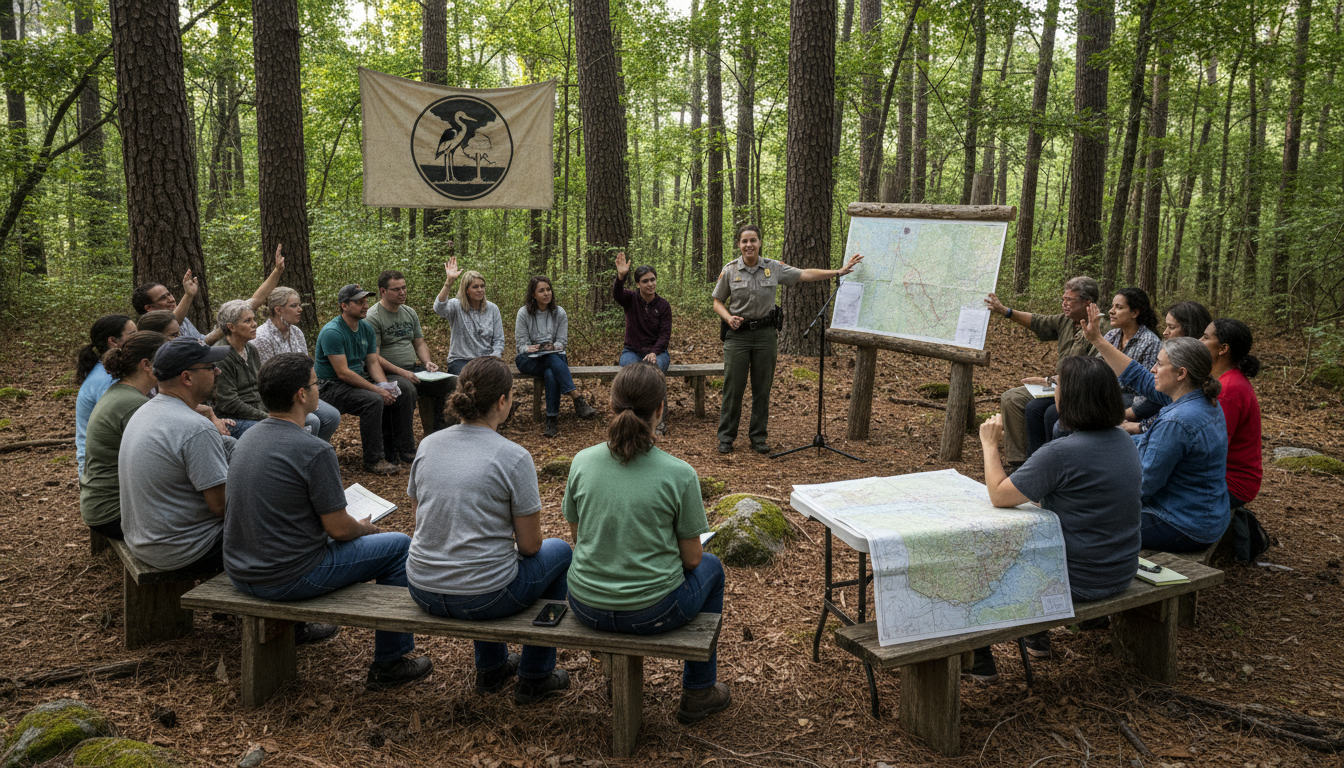
Community Engagement: Through partnerships with local organizations, the ADCNR focuses on outreach efforts that involve citizens in conservation work. Programs encourage volunteerism for habitat restoration projects and educational workshops that underscore the interdependence of humans and nature in Alabama’s rich landscapes.
Why It Matters
The long-term implications of Alabama’s conservation policies extend far beyond merely protecting wildlife; they significantly influence the state’s economy, ecosystems, and culture.
-
Economic Impact: Outdoor recreation is not just a pastime; it generates substantial economic activity. Activities like hunting and fishing contribute millions to local economies, supporting tourism and creating jobs in conservation and recreation sectors.
-
Ecosystem Health: Effective wildlife management ensures not only the survival of countless species but also maintains the ecological balance essential for healthy ecosystems. Biodiversity fosters resilience against climate changes and invasive species that threaten native plants and animals.
-
Cultural Identity: Alabama’s rich outdoor heritage is deeply intertwined with its residents’ identities. The continuation of sustainable hunting, fishing, and hiking traditions fosters a culture of respect and reverence for the state’s natural landscapes.
Field Insights: Pro-Tips for Outdoor Enthusiasts
Navigating Alabama’s diverse terrains requires both preparation and respect for the environment. Here are some essential insights for those looking to explore these outdoor treasures responsibly:
-
Respect Regulations: Always familiarize yourself with local wildlife regulations before heading out. Compliance with seasonal hunting limits and fishing quotas helps protect biodiversity and maintains healthy animal populations.
-
Leave No Trace: Practice Leave No Trace principles. This means being mindful of your impact, whether you’re hiking a trail or fishing a stream. Respect riparian zones to prevent erosion and preserve water quality.
-
Volunteer Opportunities: Seek out local conservation groups or initiatives that align with your interests. Opportunities to volunteer not only benefit the environment but also forge connections with like-minded individuals.
In closing, as Alabama’s landscapes confront unprecedented challenges, understanding and implementing sound conservation practices will be crucial for ensuring that future generations continue to enjoy the state’s natural wonders. By engaging with these policies, outdoor enthusiasts can play a pivotal role in fostering a sustainable relationship with Alabama’s rich outdoor heritage.