

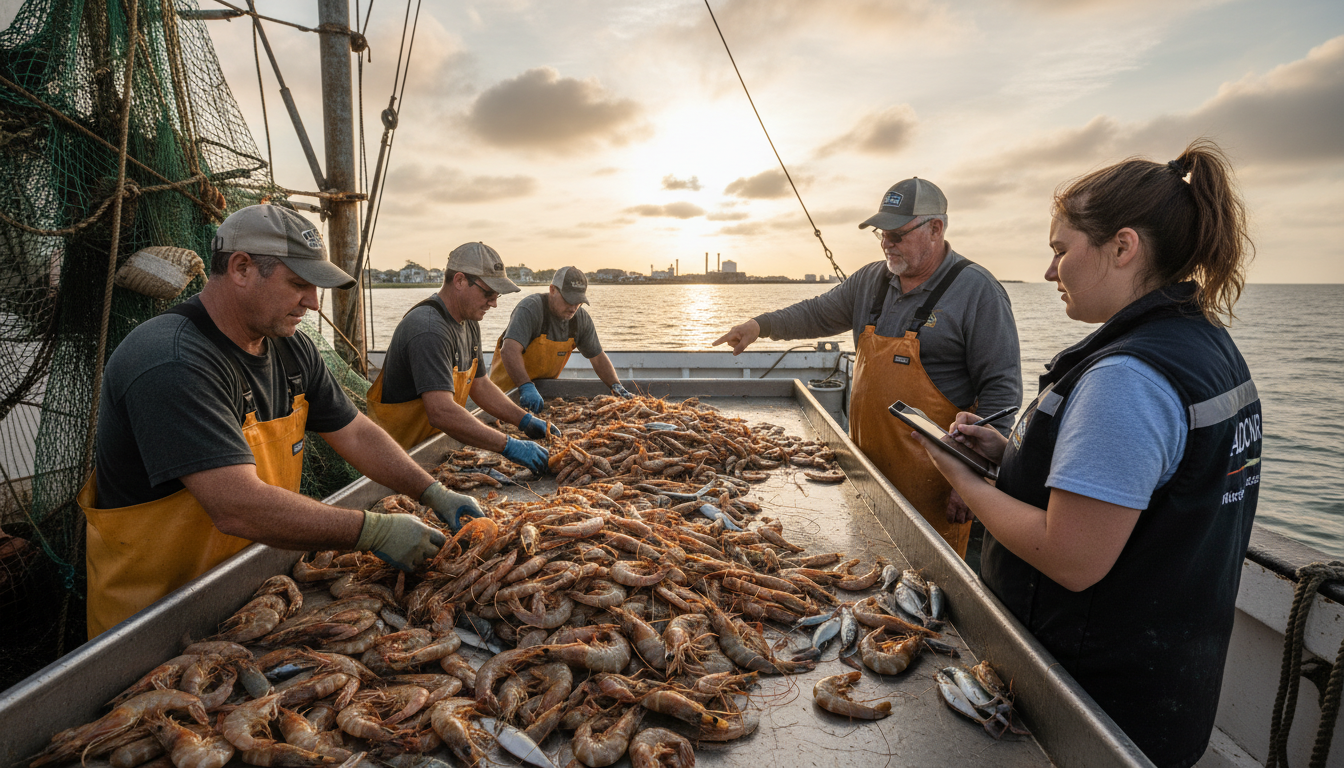

Alabama’s Shrimp Fishery: Important Listening Sessions Set to Shape Sustainable Management
As the tides lap against Alabama’s pristine shores, the future of the Gulf Coast’s shrimp fishery hangs in the balance. In November 2025, the Marine Resources Division (MRD) of the Alabama Department of Conservation and Natural Resources (ADCNR) is inviting stakeholders and the public to two significant listening sessions aimed at shaping a new shrimp fishery management plan. This plan is vital for achieving external certification demonstrating that the state’s shrimp resources are managed sustainably.
Key Opportunities for Stakeholder Engagement
“The Alabama shrimp fishery is undergoing an external certification process to demonstrate the resource is managed sustainably,” noted Chris Blankenship, ADCNR Commissioner. This certification requires a robust shrimp fishery management plan, emphasizing the necessity of stakeholder input for effective resource management.
The listening sessions will take place on:
-
Wednesday, November 12
Location: Bayou La Batre Community Center
Address: 12745 Padgett Switch Rd., Bayou La Batre, AL 36544
Time: 12 p.m. – 4:30 p.m. -
Thursday, November 13
Location: Gulf Shores Activity Center
Address: 260 Clubhouse Dr., Gulf Shores, AL 36542
Time: 12 p.m. – 4:30 p.m.
During these sessions, MRD staff will present proposed goals and objectives for the new management plan. Attendees are encouraged to provide feedback, suggest additional goals, and participate in multiple public comment periods.
Why It Matters
Sustainable Management and Economic Resilience
The implications of these discussions extend beyond regulatory compliance; they’re critical for local economies reliant on the shrimping industry. Sustainable management of shrimp stocks is not just about preserving aquatic ecosystems; it’s about ensuring the livelihood of fishermen and their families. Healthy shrimp populations support commercial fisheries, tourism, and the broader community. If successfully adopted, the new management plan will dictate how Alabama manages its shrimp fishery for years to come, impacting the economic sustainability of coastal communities.
Protecting Biodiversity
Beyond economic aspects, adopting effective shrimp management strategies is essential for maintaining marine biodiversity. Managed correctly, the shrimp fishery can act as a stabilizing force within marine ecosystems, influencing the health of various predator species and ensuring the ecological integrity of Alabama’s coastal waters.
Field Insights: Pro-Tips for Attendees
-
Know the Context: Familiarize yourself with current shrimping regulations and data on shrimp stocks before attending. This knowledge will enrich your contributions during the sessions.
-
Prepare Questions: Formulate questions about topics such as bycatch reduction, habitat preservation, and economic incentives for sustainable practices. Engaging with MRD staff will enhance the dialogue and effectiveness of the feedback process.
-
Network with Peers: Use these sessions as an opportunity to connect with fellow shrimpers and stakeholders. Building strong networks can amplify collective voices advocating for sustainable management practices.
-
Stay Informed: Keep track of developments in the shrimping industry by regularly visiting resources like the ADCNR website, and consider subscribing to newsletters from conservation organizations focused on fisheries management.
As Alabama embarks on this critical journey to ensure the sustainability of its shrimp fishery, community involvement is paramount. Opportunities to engage in meaningful dialogue during these listening sessions will shape policies that protect both livelihoods and the environment for generations to come.
For further inquiries or to request accommodations in line with the Americans with Disabilities Act, reach out to John Mareska at MRD via email at john.mareska@dcnr.alabama.gov or by phone at (251) 968-9737. Requests should ideally be made at least two days prior to the sessions.
To learn more about Alabama’s diverse natural resources and conservation efforts, visit outdooralabama.com.