

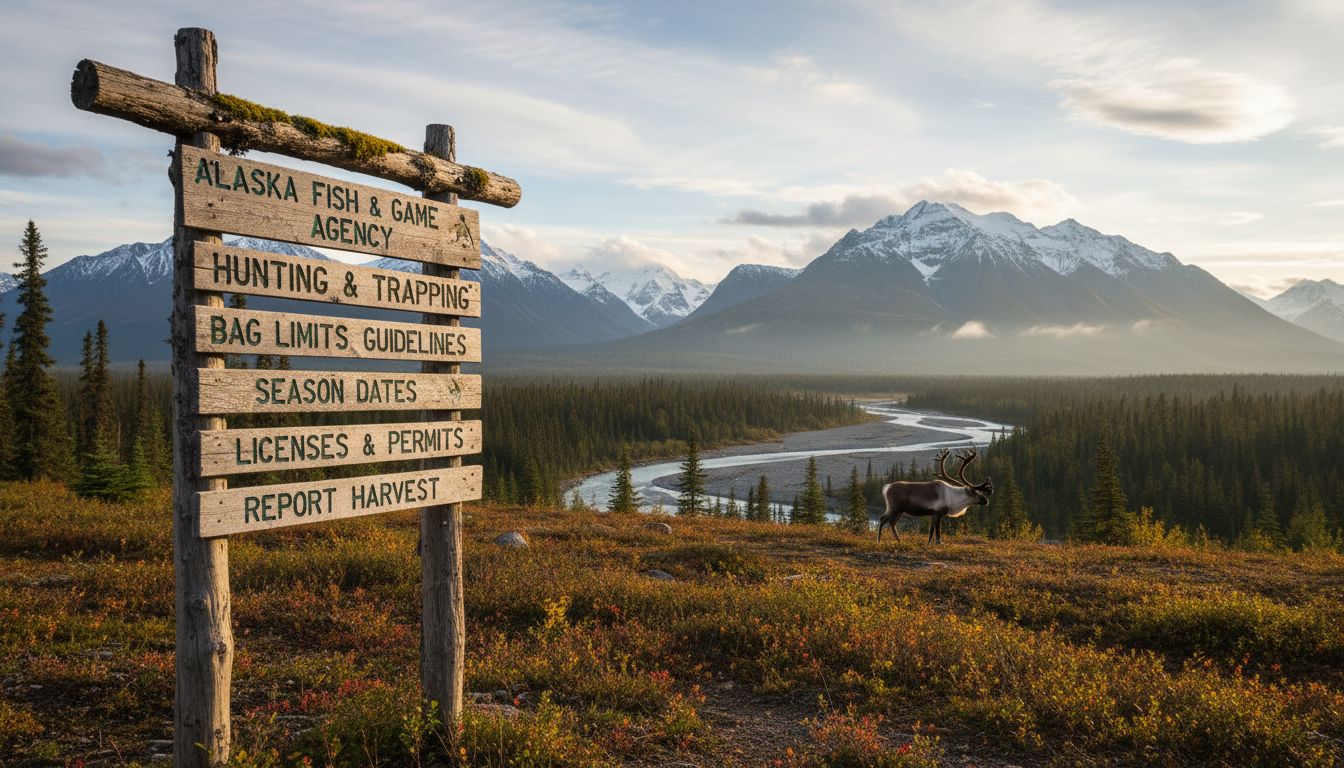

Confronting the Wild: New Regulations Refine Alaska’s Hunting and Wildlife Management
In the rugged expanses of Alaska, where icy rivers cut deep into the earth and majestic wildlife roams freely, changes in hunting and wildlife management regulations are shaking up the landscape for outdoor enthusiasts, conservationists, and local economies. As the summer sun dips below the horizon, the time to prepare for the upcoming season is now.
Understanding the Framework: A Closer Look at the Regulations
Alaska’s approach to wildlife governance is intricate and multifaceted, reflecting the delicate balance between human activity and ecological preservation. Each regulation serves to protect both the natural resources and the cultural practices intertwined with hunting and wildlife management.
Hunting Regulations
Alaska’s hunting regulations aim to sustain wildlife populations while enabling responsible hunting practices. Key changes this year include:
- Adjusted Season Dates: Specific game hunting seasons have been realigned to account for biological cycles and population assessments.
- Bag Limits: Updated bag limits for various species ensure a sustainable harvest, addressing populations that may be struggling.
- Mandatory Reporting: Hunters are now required to report their harvests electronically, providing critical data for wildlife managers.
Trapping Regulations
Trapping continues to be a vital tradition in Alaska, yet it also poses certain challenges. New trapping regulations implement:
- Designated Zones: Specific trapping areas have been designated to minimize conflicts with other outdoor activities and protect sensitive habitats.
- Species-Specific Permits: The introduction of species-specific permits aims to regulate specific trap types and reduce bycatch.
Predator Control Regulations
With the increasing recognition of the impact of predator populations on game species, predator control measures are seeing a significant shift. This includes:
- Timelines for Control Activities: Clearer timelines for initiating predator control measures help align them with critical ecological periods.
- Collaboration with Local Entities: New partnerships with local hunters and communities aim to develop innovative solutions that respect both wildlife and cultural practices.
Other Wildlife Regulations
To safeguard biodiversity, additional wildlife regulations have been solidified, with a strong focus on:
- Habitat Conservation: Enhanced measures protect essential breeding areas, especially for threatened species.
- Wildlife Corridor Protection: Regulations now encompass maintaining riparian corridors and migration routes, ensuring connectivity across the landscape.
Why It Matters
These regulatory changes are more than just bureaucratic adjustments; they will have long-lasting implications on the relationship between Alaskans and their natural resources.
- For Hunters: The new guidelines promise to create a more sustainable hunting environment, encouraging mindful practices and ensuring future generations have access to abundant wildlife.
- For Conservationists: The emphasis on habitat protection and biodiversity signifies a commitment to preserving the delicate interplay of life in these northern wilds.
- For Local Economies: As tourism and outdoor recreation become increasingly vital to Alaska’s economy, responsible wildlife management will draw visitors eager to experience the thrill of the hunt in one of the last true wildernesses.
Field Insights: Pro-Tips for the Outdoor Enthusiast
Prepare wisely as hunting season approaches:
- Stay Informed: Regularly check for updates on regulations, as they can evolve based on ongoing research and environmental assessments.
- Engage with Local Communities: Join forums or local wildlife groups to gain insights from those who have intimate knowledge of the land and its wildlife.
- Prioritize Safety and Ethics: Always focus on ethical hunting practices. Responsible hunters contribute to conservation beyond their harvest.
Navigating the complexities of Alaska’s hunting and wildlife regulations is critical for anyone who cherishes the outdoors. In this ever-evolving landscape, staying informed and engaged ensures that we all play a part in stewardship and sustainable usage of one of the world’s most awe-inspiring natural resources.