

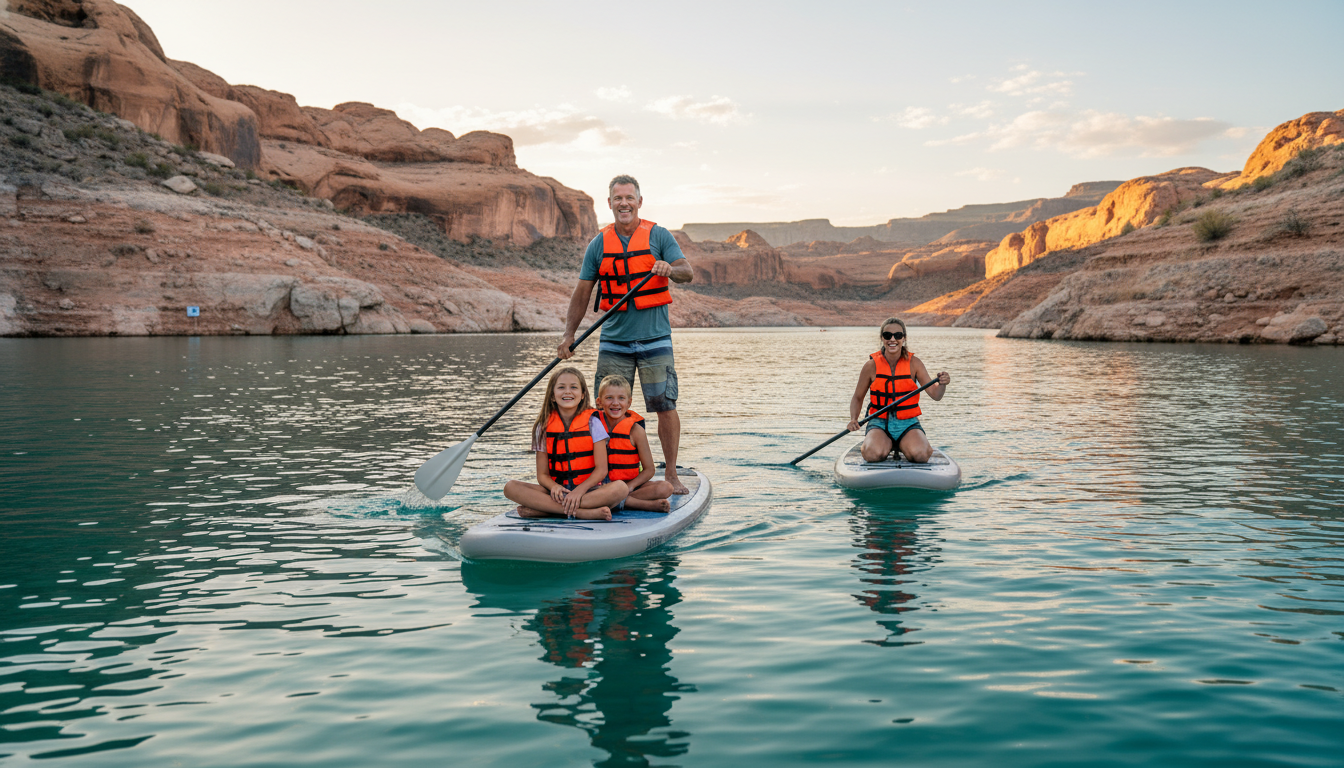

Life Jackets: A Critical Lifeline for Arizona’s Boaters
PHOENIX — As Arizona’s waterways attract more outdoor enthusiasts, the somber reality of boating safety has resurfaced, underscoring the vital necessity of life jackets. Recent incidents tragically illustrate that neglecting this crucial safety gear can have fatal consequences.
Last year alone, three out of six reported boating fatalities in Arizona were linked to individuals who drowned while not wearing a life jacket. This alarming statistic reflects a broader national trend; data indicates that approximately 50% of drowning victims in 2025 were similarly unprotected.
The Push for Safety Awareness
“It’s never too late to prioritize boating safety,” emphasizes Kim Jackson, Boating and OHV Education Program Manager at the Arizona Game and Fish Department (AZGFD). “Designating a sober operator, wearing life jackets, and ensuring conformity among all passengers are essential steps every boat owner should take.”
In its ongoing efforts to enhance public safety, AZGFD actively patrols the state’s expansive waterways, fortifying its public outreach with educational initiatives focused on boating best practices. Law enforcement programs, such as sobriety checkpoints and the statewide initiative Operation Dry Water, aim to engage watercraft users, disseminating critical safety information while curbing unsafe behaviors.
Comprehensive Boating Education
To further empower boaters, the AZGFD has developed extensive Boating Safety Education courses. These programs cover essential skills necessary for safe vessel operation, including:
- Boat and Personal Watercraft Operation: Understanding controls and maneuverability.
- Trailering Techniques: Safely transporting a vessel to and from waterways.
- Navigational Rules: Compliance with buoys and local regulations.
- Emergency Preparedness: Responding to boating crises effectively.
- Water Sports Safety: Best practices for both participants and spectators.
Legal Requirements and Resources
It is crucial for all boaters to remember that children aged 12 and under must wear life jackets at all times while aboard a vessel. Every individual on a boat must also have access to appropriately sized life jackets. Paddlecraft, including kayaks, canoes, and paddleboards, are subject to the same requirements.
For those lacking adequate safety gear, Arizona has equipped more than two dozen life jacket loaner stations at popular lakes such as Apache, Bartlett, Canyon, Lake Havasu, Mohave, Pleasant, and Saguaro. This initiative ensures that all waterway users can access lifesaving equipment, regardless of their budget or preparedness.
Why It Matters
Safety on Arizona’s waterways extends beyond individual well-being; it impacts local economies and conservation efforts. A safer boating community translates into increased recreational tourism—attracting visitors who contribute to local businesses. Furthermore, fostering a culture of safety can reduce the strain on local wildlife and their habitats by encouraging responsible recreation. Responsible boating practices uphold the integrity of riparian ecosystems, benefiting both conservationists and outdoor enthusiasts alike.
Field Insights: Pro-Tips for Water Safety
- Always Wear a Life Jacket: Make it a habit for all passengers, regardless of swimming ability.
- Conduct Pre-Trip Checks: Examine your boat for safety equipment—like fire extinguishers, flare kits, and signaling devices.
- Stay Sober and Alert: Never operate a vessel under the influence, and ensure that your boat operator is free from distractions.
- Be Weather Aware: Monitor forecasts and conditions before heading out; avoid going out in poor weather.
- Know Your Limits: Choose water activities suited to your skills and the equipment available.
By embracing these safety measures, boaters can significantly reduce the risks associated with recreational water activities, ensuring that Arizona’s waterways remain safe and enjoyable for all.
-30-