

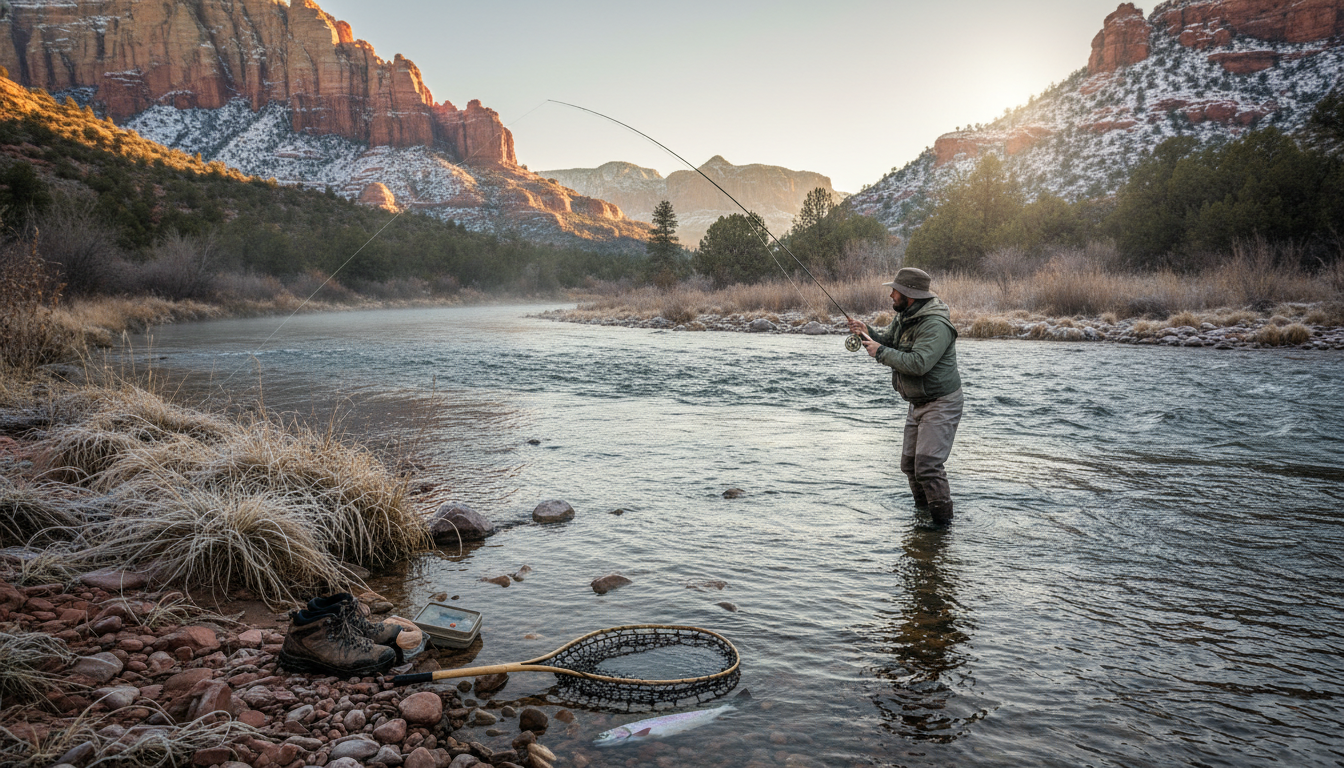

February 2026 Fishing Report: Assessing Waterways and Species Health
As February arrives, Arizona’s waterways awaken from winter dormancy, presenting a crucial opportunity for anglers to engage with our state’s aquatic ecosystems. The recently released February 2026 Fishing Report from the Arizona Game & Fish Department offers invaluable insights into the current state of our fisheries—a lifeline for local anglers and a barometer for conservation efforts.
The State of our Waters: A Field Overview
In the crystalline waters of Arizona’s lakes and rivers, the action is stirring. With rising water temperatures, fish are becoming more active, offering an exciting forecast for fishing enthusiasts. Species such as rainbow trout, bass, and catfish are currently abundant, making this time of year an advantageous period for anglers. Notably, the recent report emphasizes:
- Enhanced Fish Aggregation: Fish are concentrating in pre-spawn areas, particularly in stocked waters.
- Body Condition Indicators: Observations of several fish species reveal robust health, suggesting effective management strategies.
- Increased Angler Activity: Reports from local enthusiasts indicate a surge in fishing activity, reflecting both improved accessibility and heightened interest in conservation practices.
With these trends at play, now is the moment for both novice and seasoned anglers to venture into the field.
Why It Matters
The Long-Term Implications for Our Ecosystems
Understanding the dynamics captured in the February 2026 Fishing Report goes beyond mere catch rates; it impacts local ecosystems, conservation funding, and community livelihoods:
- Biodiversity and Habitat Integrity: Healthy fish populations signify thriving riparian environments, crucial for maintaining biodiversity. This interdependence plays a vital role in ecosystem services.
- Conservation Funding and Policies: Increased fishing activity can stimulate local economies through expenditures on gear, permits, and tourism. In turn, these economic benefits can lead to greater support for conservation initiatives and responsible management policies.
- Educational Opportunities: Engaging with the outdoors fosters awareness of conservation issues, encouraging community involvement in sustainable practices.
Field Insights: Pro-Tips for the February Angler
To maximize your experience this season, consider the following strategies:
- Target Shaded Areas: As temperatures rise, fish will seek refuge in cooler, shaded environments. Focus on fishing near submerged structures or overhanging vegetation.
- Utilize Appropriate Gear: Opt for lighter tackle and fluoro-carbon lines to enhance your sensitivity to bites, particularly as fish become more selective in their feeding habits.
- Stay Informed on Weather Patterns: Sudden changes in weather can impact fish behavior. Monitor forecasts and adjust your approach accordingly.
Conclusion
The February 2026 Fishing Report serves as both an invitation and a cautionary tale for conservationists, anglers, and anyone who cherishes Arizona’s natural resources. As we engage with our waterways, let us remain steadfast in our commitment to sustainable practices that preserve the balance of our ecosystems for generations to come.
For further details and to view the report, please refer to the Arizona Game & Fish Department’s official resources.