

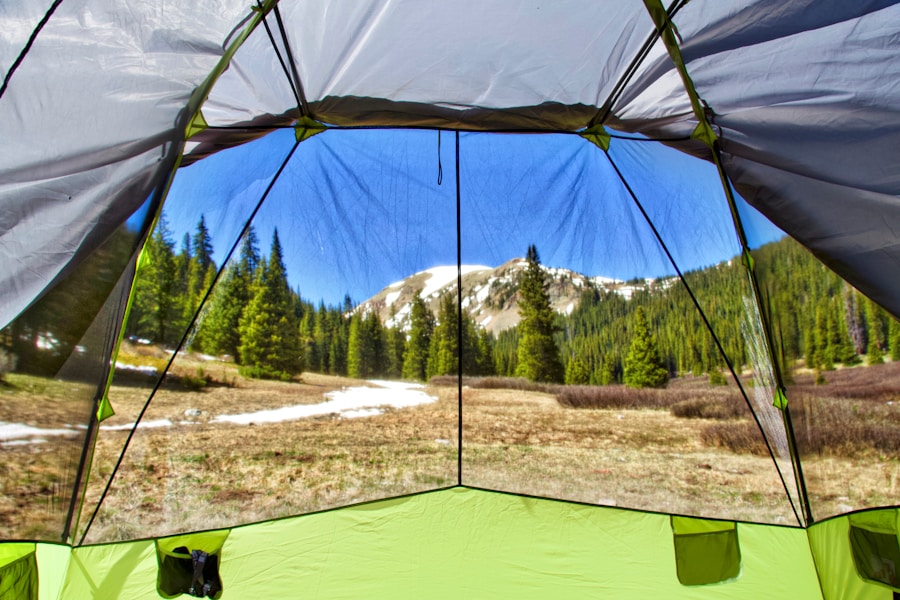

When it comes to camping, the first step to a successful trip is selecting the right campsite. The location you choose can significantly impact your overall experience, so it’s essential to consider various factors before making a decision. Start by thinking about the type of environment you want to immerse yourself in.
Do you prefer the serene beauty of a forest, the rugged charm of mountains, or the soothing sounds of a lakeside? Each setting offers unique opportunities for exploration and relaxation, so take your time to find a spot that resonates with your preferences. Additionally, consider the amenities available at the campsite.
Some campgrounds offer facilities like restrooms, showers, and picnic tables, while others provide a more rustic experience with minimal services. If you’re camping with family or friends, having access to these conveniences can enhance your comfort level. Furthermore, check the proximity to hiking trails, water sources, and other recreational activities.
A well-chosen campsite not only sets the stage for your adventure but also ensures that you have everything you need for a memorable experience in nature. I found the perfect camping tent for our trip at https://amzn.to/43QJ0Uy.
Packing the Essentials for Staying Cool
As you prepare for your camping trip, packing the right essentials to stay cool is crucial, especially during the warmer months. Start by selecting lightweight and breathable clothing made from moisture-wicking fabrics. These materials help regulate your body temperature and keep you comfortable throughout the day.
Opt for light-colored clothing as it reflects sunlight better than darker shades, helping you stay cooler under the sun’s rays. Don’t forget to pack a wide-brimmed hat and UV-blocking sunglasses to protect yourself from harmful sun exposure. In addition to clothing, consider bringing portable fans or cooling towels that can provide instant relief from the heat.
A small battery-operated fan can make a significant difference in your comfort level when temperatures soar. Cooling towels, which can be soaked in water and draped around your neck or forehead, are another excellent way to beat the heat. Lastly, ensure that you have a reliable cooler packed with ice or ice packs to keep your food and drinks chilled.
Staying cool while camping not only enhances your comfort but also allows you to enjoy your outdoor adventure to the fullest.
Setting Up Shade and Ventilation
Once you arrive at your campsite, setting up shade and ventilation is essential for creating a comfortable living space. Start by choosing a location that offers natural shade from trees or other structures. If natural shade is limited, consider bringing along a portable canopy or tarp that can be easily set up to provide relief from direct sunlight.
Positioning your tent or seating area under this shade will help keep temperatures down and create a more enjoyable environment for relaxation and socializing. Ventilation is equally important when it comes to staying cool in your tent. Ensure that your tent has adequate airflow by opening windows and vents to allow fresh air to circulate.
If you’re camping in particularly hot weather, consider using a tent fan or placing a battery-operated fan inside your tent to promote airflow. Additionally, avoid setting up your tent on hot surfaces like sand or asphalt, as these can trap heat inside. By prioritizing shade and ventilation, you’ll create a comfortable oasis amidst the great outdoors.
Staying Hydrated and Eating Light
Staying hydrated is one of the most critical aspects of camping in warm weather. As you explore the great outdoors, it’s easy to forget to drink enough water, but dehydration can quickly ruin your trip. Make it a habit to carry a reusable water bottle with you at all times and refill it regularly from a nearby water source or cooler.
Aim to drink at least half a gallon of water each day, adjusting based on your activity level and temperature. If you’re sweating heavily, consider adding electrolyte tablets or sports drinks to replenish lost minerals. In addition to hydration, eating light meals can help keep your energy levels up without weighing you down.
Focus on packing fresh fruits and vegetables that are high in water content, such as watermelon, cucumbers, and oranges. These snacks not only provide hydration but also offer essential vitamins and minerals. When planning meals, opt for lighter options like salads, wraps, or grilled vegetables instead of heavy dishes that may leave you feeling sluggish in the heat.
By prioritizing hydration and light eating, you’ll maintain your energy levels and enjoy your camping experience to the fullest.
Planning Activities for the Cooler Parts of the Day
To make the most of your camping trip during hot weather, it’s wise to plan activities for the cooler parts of the day. Early mornings and late afternoons are typically more comfortable for outdoor adventures, so consider scheduling hikes, fishing trips, or nature walks during these times. Not only will you avoid the peak heat of midday, but you’ll also have the opportunity to witness stunning sunrises or sunsets that enhance your camping experience.
In addition to outdoor activities, consider incorporating relaxing pastimes into your schedule during hotter hours. Reading a book in the shade or playing card games with friends can be enjoyable ways to pass the time while staying cool. If you’re near water, take advantage of swimming or kayaking during midday when temperatures are at their highest.
By strategically planning your activities around temperature fluctuations, you’ll ensure that you make the most of your time outdoors while staying comfortable.
Knowing the Signs of Heat Exhaustion and How to Prevent It
As much as we love spending time outdoors during warm weather, it’s essential to be aware of the signs of heat exhaustion and how to prevent it. Symptoms can include heavy sweating, weakness, dizziness, nausea, and headaches. If you or someone in your group begins to experience these symptoms, it’s crucial to take immediate action by moving to a cooler area and hydrating with water or electrolyte drinks.
Prevention is key when it comes to avoiding heat-related illnesses while camping. Make sure to take regular breaks in shaded areas and encourage everyone in your group to stay hydrated throughout the day. Wearing appropriate clothing and using sunscreen can also help protect against heat-related issues.
By being proactive about heat exhaustion and recognizing its signs early on, you can ensure that everyone enjoys a safe and pleasant camping experience. In conclusion, camping during warm weather can be an incredibly rewarding experience if you take the necessary precautions to stay cool and comfortable. From choosing the right campsite to planning activities around temperature fluctuations, each step plays a vital role in ensuring an enjoyable adventure in nature.
Remember to prioritize hydration and light meals while being aware of heat exhaustion signs for a safe trip. Share your thoughts or experiences about camping in warm weather; we’d love to hear how you stay cool while enjoying the great outdoors!
FAQs
What are some tips for staying cool while summer camping?
Some tips for staying cool while summer camping include choosing a campsite with shade, using a portable fan, wearing lightweight and breathable clothing, staying hydrated, and taking advantage of natural bodies of water for swimming or cooling off.
How can I keep my tent cool during hot summer days?
To keep your tent cool during hot summer days, you can set it up in a shaded area, use a reflective tarp or blanket to cover the tent, keep the windows and doors open for ventilation, and consider using a portable fan or battery-operated cooling device.
What are some clothing options for staying cool while camping in the summer?
Clothing options for staying cool while camping in the summer include lightweight and breathable fabrics such as cotton, linen, or moisture-wicking materials. Loose-fitting clothing and light colors can also help to reflect the sun’s rays and keep you cooler.
How important is staying hydrated while camping in the summer?
Staying hydrated is crucial while camping in the summer, as the heat and physical activity can lead to increased perspiration and fluid loss. It’s important to drink plenty of water throughout the day and consider electrolyte-replenishing drinks if engaging in strenuous activities.
What are some ways to cool off while camping in the summer?
Ways to cool off while camping in the summer include taking a dip in a natural body of water such as a lake or river, using a portable misting system or spray bottle to mist yourself with water, and seeking out shaded areas to rest and relax.