


When planning an outdoor adventure, weather preparedness is paramount. The right gear and clothing can mean the difference between a memorable experience and a potentially dangerous situation. Outdoor enthusiasts, whether seasoned veterans or weekend warriors, must equip themselves with essential items tailored to the specific conditions they may encounter.
This includes not only clothing suited for varying temperatures but also gear that can withstand unexpected weather changes. For instance, layering is a fundamental principle in outdoor clothing. A moisture-wicking base layer helps keep sweat away from the skin, while an insulating mid-layer traps body heat.
Finally, a waterproof and breathable outer layer protects against rain and wind. Accessories such as hats, gloves, and gaiters can further enhance comfort and safety. According to the American Hiking Society, “Dressing in layers allows for easy adjustments as conditions change, ensuring that outdoor lovers remain comfortable and safe.” In addition to clothing, essential gear includes items like a reliable backpack, hydration systems, and navigation tools.
A well-stocked first aid kit is also crucial for addressing minor injuries that may occur during outdoor activities. For beginners, investing in high-quality gear may seem daunting, but it pays off in terms of durability and performance. Advanced outdoor enthusiasts often have specific preferences based on their experiences, but the core principles of weather preparedness remain the same.
Key Takeaways
- Always pack essential gear such as a waterproof jacket, extra layers, and sturdy hiking boots for outdoor trips.
- Be prepared for extreme weather conditions by carrying a first aid kit, emergency blanket, and navigation tools like a compass and map.
- Learn to identify cloud formations and wind patterns to predict changes in weather while outdoors.
- Understand how to interpret weather maps and forecasts to plan outdoor activities accordingly.
- Stay informed about dangerous weather patterns like thunderstorms, tornadoes, and hurricanes and know when to seek shelter or evacuate.
- Use weather apps and GPS for real-time updates on weather conditions and to navigate outdoor areas safely.
- Familiarize yourself with emergency protocols for sheltering and evacuation in severe weather situations.
- Adapt to shifts in weather patterns due to climate change by staying updated on local climate trends and adjusting outdoor recreation plans accordingly.
Outdoor Safety Tips: Navigating Extreme Weather Conditions
Stay Informed About the Weather
Local weather forecasts and understanding potential weather changes can help outdoor lovers make informed decisions about their plans. In addition to monitoring forecasts, it’s essential to recognize the signs of changing weather while on the trail.
Recognize the Signs of Approaching Storms
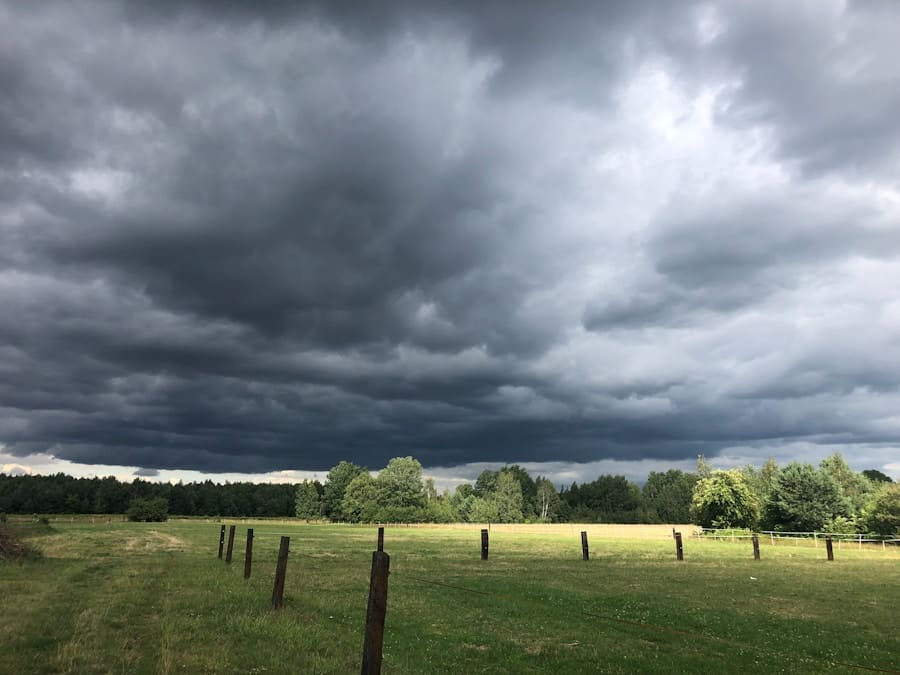
Darkening skies, sudden drops in temperature, or increased wind can indicate an approaching storm. Outdoor experts recommend having a contingency plan in place, which may include identifying safe shelter locations or knowing when to turn back.
Preparation and Safety Precautions
“Preparation is key,” says Sarah Johnson, a seasoned mountaineer and outdoor educator. “Being aware of your surroundings and having a plan can save lives.” For those venturing into remote areas, carrying a portable weather radio can provide real-time updates on severe weather alerts. Additionally, it’s wise to travel with a group whenever possible, as there is safety in numbers. In extreme conditions, such as heavy rain or snow, it’s crucial to adjust your pace and be mindful of trail conditions to avoid accidents.
Predicting Weather: Understanding Cloud Formations and Wind Patterns
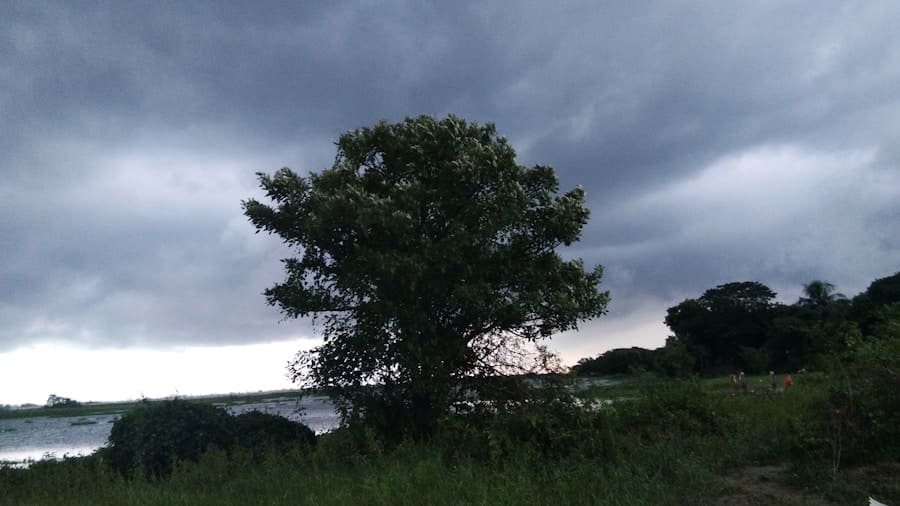
Understanding cloud formations and wind patterns can significantly enhance an outdoor enthusiast’s ability to predict weather changes. Different types of clouds indicate various weather conditions; for example, cumulus clouds often signal fair weather, while dark cumulonimbus clouds are associated with thunderstorms. By learning to identify these formations, outdoor lovers can gain valuable insights into impending weather shifts.
Wind patterns also play a critical role in weather prediction. For instance, a sudden shift in wind direction can indicate an approaching storm front. Observing how wind interacts with the environment—such as rustling leaves or shifting sand—can provide clues about upcoming weather changes.
According to meteorologist Dr. Emily Carter, “Wind is often the harbinger of change; understanding its patterns can help outdoor enthusiasts stay one step ahead of the weather.” For beginners, resources such as field guides on cloud identification can be invaluable tools for learning about these natural indicators. Advanced outdoor enthusiasts may benefit from studying meteorological principles more deeply, allowing them to make educated predictions based on their observations in the field.
Reading Weather Maps: Interpreting Symbols and Forecasts
Reading weather maps is an essential skill for anyone who spends time outdoors. These maps provide a visual representation of current and predicted weather conditions, helping adventurers plan their activities accordingly. Understanding the symbols used on these maps is crucial for accurate interpretation.
Common symbols include high and low-pressure systems, fronts, and precipitation indicators. High-pressure systems typically bring clear skies and stable weather, while low-pressure systems are often associated with storms and unsettled conditions. Fronts indicate transitions between different air masses; for example, a cold front can lead to sudden temperature drops and storms.
For beginners, familiarizing themselves with basic map symbols can greatly enhance their ability to interpret forecasts effectively. Advanced users may delve into more complex aspects of meteorology, such as analyzing isobars (lines of equal pressure) to understand wind speed and direction better. Resources like online tutorials or local meteorology courses can provide valuable insights into reading these maps.
Identifying Dangerous Weather Patterns: Thunderstorms, Tornadoes, and Hurricanes
Recognizing dangerous weather patterns is crucial for outdoor safety. Thunderstorms are among the most common severe weather events that can catch adventurers off guard. Signs of an impending thunderstorm include darkening skies, increased wind speeds, and distant thunder rumbling.
Outdoor enthusiasts should seek shelter immediately upon noticing these signs. Tornadoes present an even greater threat due to their unpredictable nature and destructive power. Identifying conditions conducive to tornado formation—such as severe thunderstorms with rotating updrafts—can help individuals take necessary precautions.
The National Weather Service advises that if a tornado warning is issued, individuals should seek shelter in a sturdy building or designated storm shelter. Hurricanes pose significant risks for coastal outdoor activities. Understanding hurricane categories and their associated dangers is essential for anyone planning trips during hurricane season.
Monitoring forecasts from reliable sources can help adventurers avoid dangerous situations altogether.
Utilizing Technology: Weather Apps and GPS for Real-Time Updates
In today’s digital age, technology plays a vital role in outdoor safety and weather preparedness. Weather apps provide real-time updates on changing conditions, allowing outdoor enthusiasts to stay informed while on the go. Many apps offer features such as radar imagery, severe weather alerts, and hourly forecasts tailored to specific locations.
GPS devices also enhance safety by providing accurate location tracking and navigation assistance in remote areas. Some advanced GPS units even integrate weather data, allowing users to receive updates directly on their devices while exploring off the beaten path. This combination of technology empowers adventurers to make informed decisions based on current conditions.
For beginners, selecting user-friendly apps with intuitive interfaces can simplify the process of monitoring weather changes. Advanced users may prefer apps that offer detailed meteorological data or customizable alerts based on their specific activities or locations.
Emergency Protocols: Sheltering and Evacuation in Severe Weather
Having emergency protocols in place is essential for navigating severe weather situations effectively. Sheltering during storms involves finding safe locations that provide protection from high winds and flying debris. For instance, sturdy buildings or designated storm shelters are ideal during tornadoes or hurricanes.
In cases where evacuation becomes necessary—such as during flash floods or severe storms—having a clear plan is crucial. Outdoor enthusiasts should familiarize themselves with evacuation routes and communicate these plans with their group before heading out on an adventure. Additionally, carrying emergency supplies such as food, water, flashlights, and first aid kits can make a significant difference during unexpected situations.
The American Red Cross emphasizes that “being prepared means having the right supplies and knowing what to do when disaster strikes.”
Climate Change and Outdoor Recreation: Adapting to Shifts in Weather Patterns
Climate change has profound implications for outdoor recreation, affecting everything from seasonal patterns to extreme weather events. As temperatures rise and precipitation patterns shift, outdoor enthusiasts must adapt their activities accordingly. For instance, hiking trails that were once accessible year-round may become impassable due to increased rainfall or flooding.
Understanding these shifts is essential for both beginners and advanced adventurers alike. Beginners should stay informed about local climate trends and how they impact their favorite activities. Advanced users may engage in advocacy efforts aimed at promoting sustainable practices within the outdoor community.
Moreover, embracing flexibility in planning outdoor trips can help mitigate the effects of climate change on recreational activities. By being open to alternative locations or adjusting timelines based on current conditions, outdoor lovers can continue enjoying nature while respecting its changing dynamics. In conclusion, being prepared for varying weather conditions is essential for all outdoor enthusiasts—regardless of experience level.
By understanding essential gear requirements, recognizing dangerous weather patterns, utilizing technology effectively, and adapting to climate change impacts, adventurers can ensure safer experiences in nature. Engaging with fellow outdoor lovers through forums or local clubs can further enhance knowledge sharing and foster a community dedicated to safe exploration of the great outdoors.
FAQs
What are weather patterns?
Weather patterns refer to the recurring and predictable changes in weather conditions over a specific area. These patterns are influenced by factors such as temperature, air pressure, humidity, and wind.
Why is it important to understand weather patterns for outdoor trips?
Understanding weather patterns is crucial for outdoor trips as it helps in planning and preparing for potential weather-related hazards. It allows outdoor enthusiasts to make informed decisions about when and where to go, what to pack, and how to stay safe during their adventures.
What are some common weather patterns to be aware of?
Common weather patterns include high and low pressure systems, cold and warm fronts, thunderstorms, hurricanes, and blizzards. These patterns can have a significant impact on outdoor activities and should be closely monitored.
How can one stay informed about weather patterns?
Staying informed about weather patterns can be done through various means such as checking weather forecasts from reliable sources, using weather apps, monitoring weather radar, and paying attention to local weather alerts and warnings.
What are some safety tips for dealing with different weather patterns during outdoor trips?
Safety tips for dealing with different weather patterns include dressing appropriately for the conditions, carrying essential gear such as rain jackets or sun protection, seeking shelter during severe weather, and being aware of evacuation routes in case of emergencies. It’s also important to stay updated on weather forecasts and to adjust plans accordingly.