

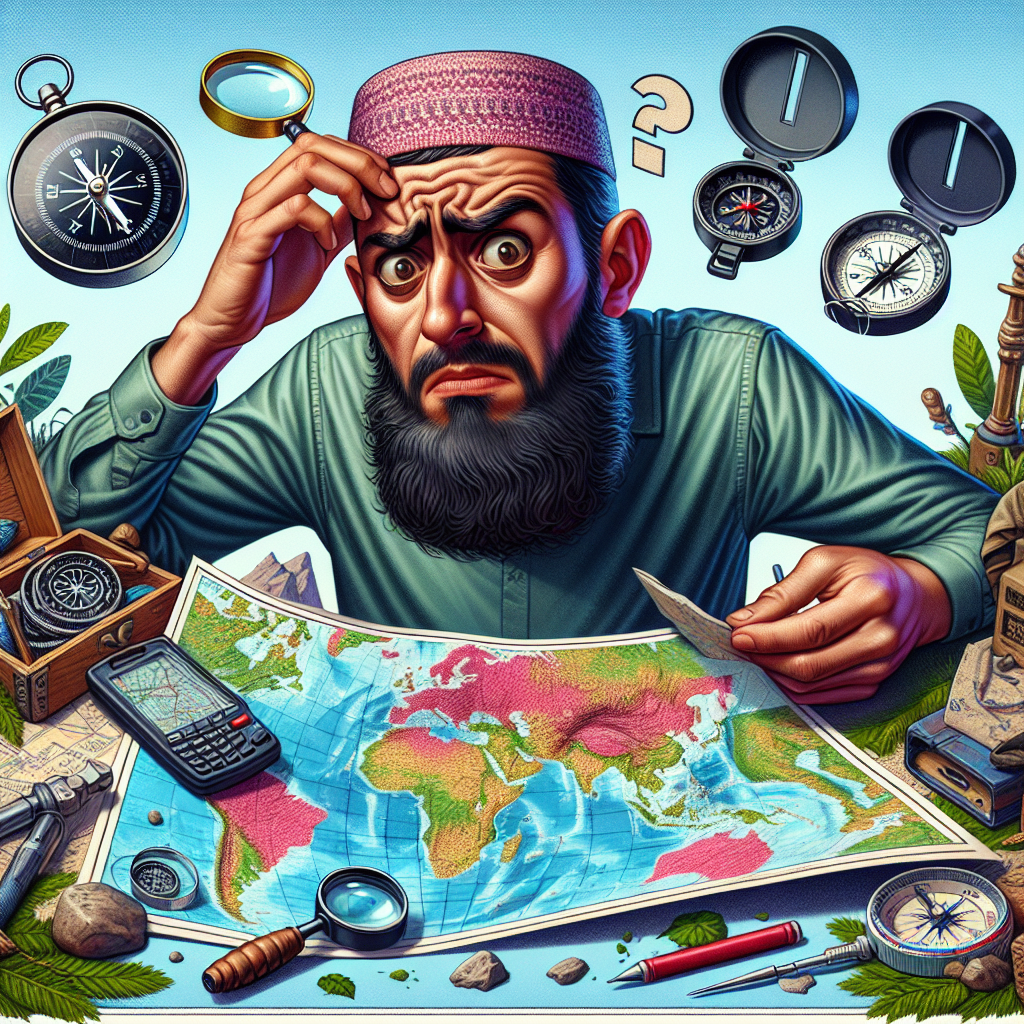

Every outdoor enthusiast knows that a reliable map can be your best friend—or your worst enemy. Whether you’re hiking through dense forests, navigating rocky terrains, or plotting a course for a weekend camping trip, understanding how to read maps correctly is essential. Unfortunately, many adventurers make common mistakes that can lead to confusion, loss of direction, or even danger. In this post, we’ll explore the 12 Common Map Reading Mistakes and How to Avoid Them. With a blend of educational insights and personal anecdotes, we’ll empower you to enhance your navigation skills and enjoy safer outdoor adventures.
Why Map Reading Matters in Outdoor Adventures
Navigating the great outdoors is not just about reaching your destination; it’s about safety, security, and understanding your environment. Mastering map reading can mean the difference between an enjoyable hike and a risky situation. While digital GPS tools are increasingly popular, traditional map skills remain invaluable, especially when technology fails.
Take, for instance, my first solo hiking trip in the Rockies. Excited yet naive, I set out with a brand-new map tucked into my pocket. Halfway through my planned route, I realized I had misaligned the map with my surroundings, leading me miles off course. The lesson? Map reading requires attention to detail and continuous practice!
Now, let’s delve into the most common pitfalls you might encounter while reading maps and how to avoid them.
Ignoring the Legend
Every map includes a legend that defines symbols used to represent various features. Ignoring this vital section is a mistake many novice navigators make.
Solution:
Before you embark on your adventure, take a moment to familiarize yourself with the legend. Symbols can indicate trails, water sources, hazards, and more. Consider keeping a legend guide in your pack. On a recent hike, I encountered a symbol for a water source that turned out to be dry due to seasonal changes. Had I checked the legend and paired it with local advice, I could have planned better.
Overlooking Scale
Maps come with a scale that indicates the ratio of distance on the map to actual ground distance. Ignoring scale can lead to miscalculations about how far you’ll need to hike.
Solution:
Always assess the scale before you hit the trails. Measure distances with a ruler, divide those by the scale, and plot your time accordingly. On one long trek, my group underestimated the distance to a summit, leading us to reach it after sunset. By learning to respect the scale, you can plan realistic timelines and avoid unnecessary challenges.
Neglecting to Orient the Map
Failing to properly orient your map can result in confusion and misplaced routes. This mistake often arises from a rush to set out or not knowing how to align the map with the actual terrain.
Solution:
Take time to orient your map before starting your hike. Align it to face the same direction you’re heading. I remember a day when I hastily began a trail, map upside-down. What seemed like a shortcut soon turned into a detour, wasting precious daylight. Practicing this simple step makes navigating much more intuitive.
Not Understanding Terrain Types
Maps feature various terrain types, and misinterpreting these can lead to physical challenges along your route. Knowing whether you’re dealing with rugged hills, gentle slopes, or flat paths is crucial.
Solution:
Study the terrain features on your map, and compare them to your physical abilities and gear. When leading a hike through the Appalachian Trail, I mistakenly underestimated a section marked as ‘hilly.’ The challenging climb took us off guard, and only after assessing those features ahead of time did we better prepare and tackle the journey.
Failing to Cross-Reference with Landmarks
Relying solely on the map without seeking physical landmarks can lead to disorientation. Failing to cross-reference can make you question your position unnecessarily.
Solution:
Use recognizable landmarks to confirm your location regularly. Look for significant natural features or man-made structures. I vividly recall using a distant mountain peak as a reference during a foggy hike, reassuring my group of our position and keeping us on track.
Disregarding Route Planning
Many outdoor lovers fail to adequately plan their routes, thinking they can rely on their intuition. This can lead to unexpected challenges.
Solution:
Plan your route in detail, considering alternate paths or exits. A friend overlooked route planning during a multi-day trek, and we found ourselves short on water and food, ultimately leading to a dashed trip. Map out not just your main route but potential backups, and ensure you have access to resources along the way.
Ignoring Weather Conditions
Simplifying weather conditions in your map reading is a common oversight. Weather can drastically impact navigation and safety.
Solution:
Always check weather forecasts and incorporate them into your map reading. When caught in unexpected rain during a mountain hike, I learned to recognize that some trails can become treacherous. Investing in weather-proof maps helped me adapt to varying conditions and stay safe.
Not Knowing How to Use Compasses
Many outdoor enthusiasts overlook the essential skill of using a compass in conjunction with a map. This could lead to misdirection.
Solution:
Learn to use a compass to verify your map navigation. Take a compass readability course or read up on basic orientation skills. During an alpine trek, my ability to use my compass alongside a map ensured we made it to the summit before a storm rolled in.
Misjudging Elevation Changes
Elevation changes can be misleading on a map and affect your energy levels and time management. Ignoring this can lead to strenuous hikes that exceed your physical capabilities.
Solution:
Before heading out, analyze elevation changes indicated on your map. On a recent hike, a deceptively flat terrain stretched before a sudden upward climb, exhausting me more than anticipated. Be mentally prepared for elevation changes, and adjust your pace accordingly.
Underestimating Time to Travel
Many adventurers miscalculate their travel times based on distance, overlooking the terrain and elevation changes, leading to rushed decisions.
Solution:
Factor in more than just distance; account for terrain difficulty and personal pacing. This approach proved vital when I improvised a path on a familiar area, underestimating the rugged sections that slowed down our group considerably. Plan ahead and build in extra time to accommodate unforeseen delays.
Failing to Update Skills Regularly
Map reading is a skill that can become rusty without regular practice, leading to complacency.
Solution:
Commit to regularly practicing your skills. Attend navigation courses, join group hikes, or even practice at local parks. In my experience, revisiting map reading every summer keeps my skills sharp for the more challenging adventures.
Wrap-Up / Key Takeaways
Navigating the outdoors using a map might seem daunting, but mastering these common map reading mistakes can significantly enhance your adventures. Engaging in proper planning, using tools wisely, and continually practicing will empower you to route your own amazing journeys.
Take this knowledge with you as you navigate the wilderness—let it illuminate your path to discovery!
Reader Questions Answered
1. What type of map should I use for hiking?
For hiking, topographic maps are ideal as they provide detailed elevation and terrain information. Digital mapping tools can also supplement physical maps for added functionality.
2. How often should I practice map reading skills?
Aim to practice your map reading skills regularly, perhaps once every couple of months. Regular outings—like local hikes or orienteering courses—help maintain proficiency.
3. What should I carry along with a map?
Always carry a compass and, if possible, a GPS device. An emergency kit and plenty of water are essential for safety.
FAQs
What should I do if I get lost?
Stay calm, retrace your steps to the last known point, and use your map and compass to determine your next move. If necessary, find a safe place to wait for help.
Can I rely solely on GPS for navigation?
While GPS is useful, it’s essential to carry a physical map and compass as backups. Technology can fail or run out of battery.
How can I improve my map-reading skills?
Consider attending navigation workshops or practicing with friends during hikes. Familiarizing yourself with different map types also aids improvement.
By being conscious of these 12 Common Map Reading Mistakes and Knowing How to Avoid Them, you equip yourself with the tools for an empowering outdoor experience. Imagine the tranquility of knowing exactly where you are at all times, enhancing your connection to nature. Get out there and explore!