

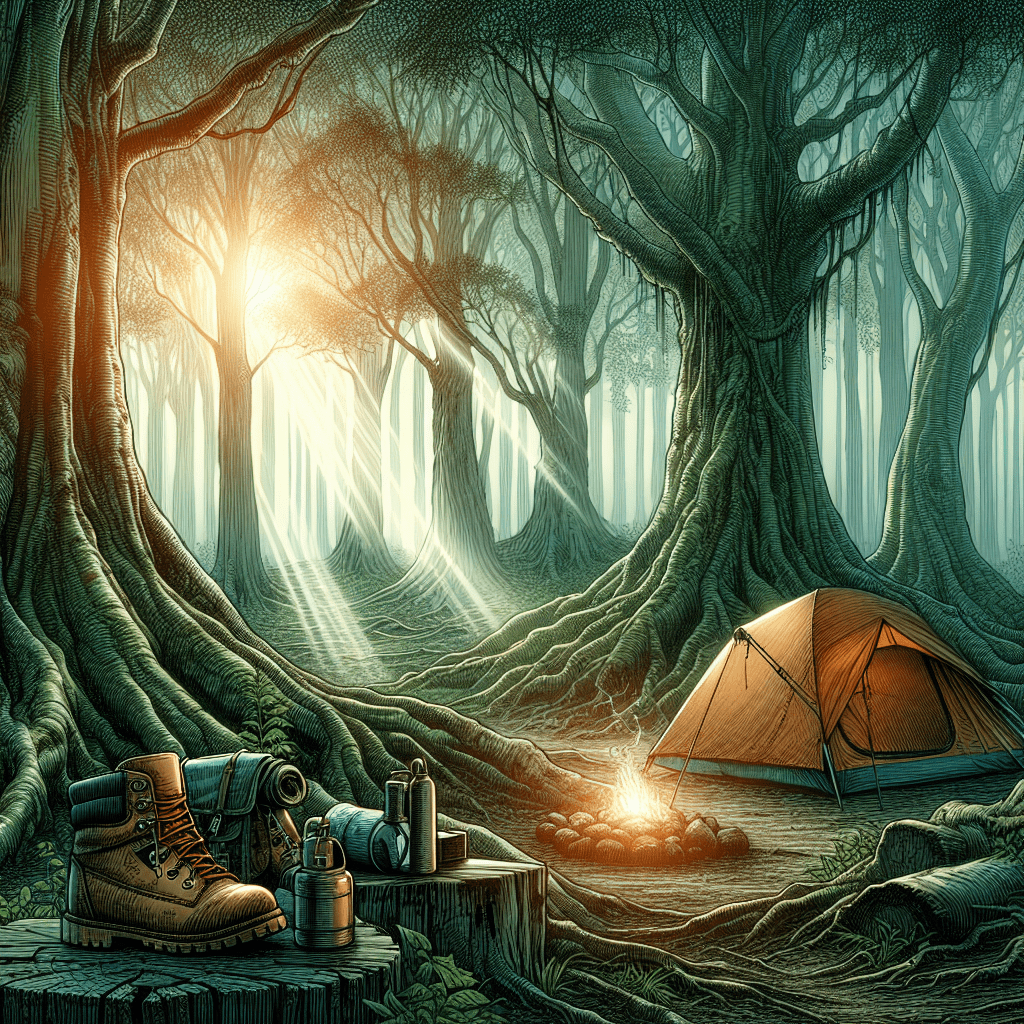

Imagine waking up to the sound of a crackling fire, the smell of fresh pine trees mingling with the crisp morning air, and the distant chorus of birds greeting the day. Wilderness camping isn’t just a hobby; it’s an adventure that reawakens your senses and connects you with nature in profound ways. Are you ready to trade city lights for starry nights? Planning your first wilderness camping trip can feel overwhelming, but with the right guidance and a sprinkle of inspiration, you can transform that daunting task into a rewarding experience.
Wilderness camping is not just about pitching a tent in the wild; it’s an opportunity to escape the hustle and bustle of everyday life, to reflect, and to challenge yourself physically and mentally. This blog post is more than a guide; it’s a roadmap that combines educational insights with personal lessons learned from the great outdoors. So, pack your gear, and let’s embark on this journey together!
Understanding the Appeal of Wilderness Camping
Before diving into the logistics, it’s essential to grasp the allure of wilderness camping. For many, it’s a way to disconnect from technology, reconnect with nature, and find inner peace. Picture this: I once stood on the edge of a serene lake at sunrise, the water mirroring the sky’s vibrant hues. It was at that moment I realized why wilderness camping resonates with so many—it’s a chance to witness the beauty of untouched nature and create lasting memories far from mundane routines.
Essential Gear for Your First Trip
When preparing for your inaugural wilderness camping journey, having the right gear is paramount. Here’s a breakdown of must-have equipment that caters to various wilderness scenarios.
Shelter: Choosing the Right Tent
Selecting the right tent is the starting point of your camping experience. Opt for a weather-resistant model that is spacious enough for your group. My first tent was a small two-person model, which felt cramped during a sudden downpour. I learned the importance of checking weather forecasts and choosing a tent that allows for flexibility—consider a tent that’s easy to set up and offers good ventilation.
Sleeping Essentials: Comfort Meets Convenience
Investing in a good sleeping bag and sleeping pad can significantly elevate your camping experience. I once spent a night on a lumpy ground without a sleeping pad, and let’s just say I earned the title of “Yoga Master” for how much I twisted and turned! Choose a sleeping bag rated for the season and a pad that provides insulation and comfort.
Cooking Gear: Fueling Your Adventure
Cooking outdoors can be a delightful experience if you’re adequately prepared. A portable stove, lightweight cookware, and non-perishable food items are essential. I recall my first camping meal—a simple pasta dish cooked over an open fire. The aroma wafting through the trees attracted a curious raccoon, reminding me that wilderness camping includes sharing the space with fellow critters.
Planning Your Itinerary
Your itinerary acts as a compass for adventure, pointing you toward key experiences without overwhelming you. Here’s how to plan effectively.
Researching Your Destination
Whether it’s a sprawling national park or a cozy forest preserve, understanding your destination is pivotal. Read up on the wildlife, terrain, and weather conditions. The first time I ventured into a local state park, I’d overlooked the wildlife warning signs and encountered a curious bear during a midnight hike. The encounter taught me invaluable lessons about respecting wildlife and staying informed.
Estimating Distances and Timeframes
For your first trip, choose trails that match your experience level. Start with shorter hikes to gauge fitness levels and enjoy the journey rather than just aiming for the destination. I underestimated a trail during my second trip and ended up hiking back in the dark—never a fun scenario! Use apps or maps to gauge distances and plan ample time for breaks.
Navigating the Essentials: Food, Water, and Safety
Food, water, and safety are non-negotiables for a successful wilderness excursion. Let’s explore these critical aspects further.
Meal Planning: Nutritious and Light
Crafting a meal plan before your trip saves time and ensures you pack the right supplies. Include easy-to-cook items like instant oatmeal, dehydrated meals, and snacks packed with protein. Try my go-to trail snack: mixed nuts and dried fruit, which provided a much-needed energy boost during a long hike.
Water Sources: Staying Hydrated
Staying hydrated is essential, especially when exerting yourself in nature. Research water sources local to your campsite and carry filters or purification tablets. On one memorable trip, I learned the hard way about carrying enough water after running dry on a hot summer day and resorting to sipping from a stream. This experience emphasized the need for preparation—never take water for granted!
Safety Measures: Be Prepared
Safety should always be at the forefront. Develop a plan for emergencies, maintain communication (if possible), and know how to navigate the terrain. My first camping trip took an unexpected turn when a sudden storm hit. With the knowledge of how to set up a shelter quickly and stay calm, I found solace in the realization that surprises can lead to memorable experiences, as the storm cleared, painting the sky with a double rainbow.
Embracing the Wilderness Spirit: Leave No Trace
One fundamental principle of wilderness camping is to protect the environment. For every adventure, embrace the Leave No Trace principles.
- Plan Ahead and Prepare: Know the area and respect local regulations.
- Travel and Camp on Durable Surfaces: Stay on trails to minimize impact.
- Dispose of Waste Properly: Follow regulations on trash and human waste.
- Leave What You Find: Preserve the natural beauty by not taking souvenirs.
- Minimize Campfire Impact: Use established fire rings or portable stoves.
- Respect Wildlife: Observe from a distance and never feed animals.
- Be Considerate of Other Visitors: Maintain noise levels and keep a peaceful atmosphere.
During a hike in a remote area, I witnessed the ravages of litter left behind by others. It reminded me that we are all stewards of our planet, and each of us has the responsibility to keep nature pristine.
Wrapping Up: Key Takeaways for Your Wilderness Adventure
Planning your first wilderness camping trip can be an exhilarating experience filled with growth, discovery, and unforgettable memories. Equip yourself with the right gear, plan your itinerary mindfully, prioritize safety, and hold fast to the principles of Leave No Trace.
Adventure awaits you out there! Take a deep breath, embrace the wilderness, and create memories that will last a lifetime. The journey will challenge you, inspire you, and leave you yearning for more.
Reader Questions Answered
Q: What’s the best time of year for wilderness camping?
A: The best time for wilderness camping varies by region. However, late spring to early fall is generally ideal, offering mild weather and access to trails. Always check local conditions before heading out.
Q: How do I choose the right campsite?
A: Look for flat ground, consider wind direction, avoid low-lying areas prone to flooding, and ensure you’re within the regulations of the area you’re camping in.
Q: What should I do if I encounter wildlife?
A: Remain calm, keep distance, and give the animal space to leave. Avoid direct encounters by properly storing food and minimizing interactions.
Frequently Asked Questions
Q: How can I cook while camping?
A: Use a portable stove or a trusty campfire. Bring lightweight cookware and opt for meals that are easy to prepare and require minimal cleanup.
Q: Is it safe to camp alone?
A: Camping alone can be safe if you’re experienced and take necessary precautions, such as informing someone of your plans and sticking to well-traveled areas.
Q: Can I bring my dog camping?
A: Many campsites allow dogs, but check specific regulations. Always keep your pet on a leash and clean up after them to respect wildlife and other campers.
With this guide in hand, you’re fully prepared to embark on your first wilderness camping adventure. Remember, the call of the wild is only a decision away. Happy camping!