

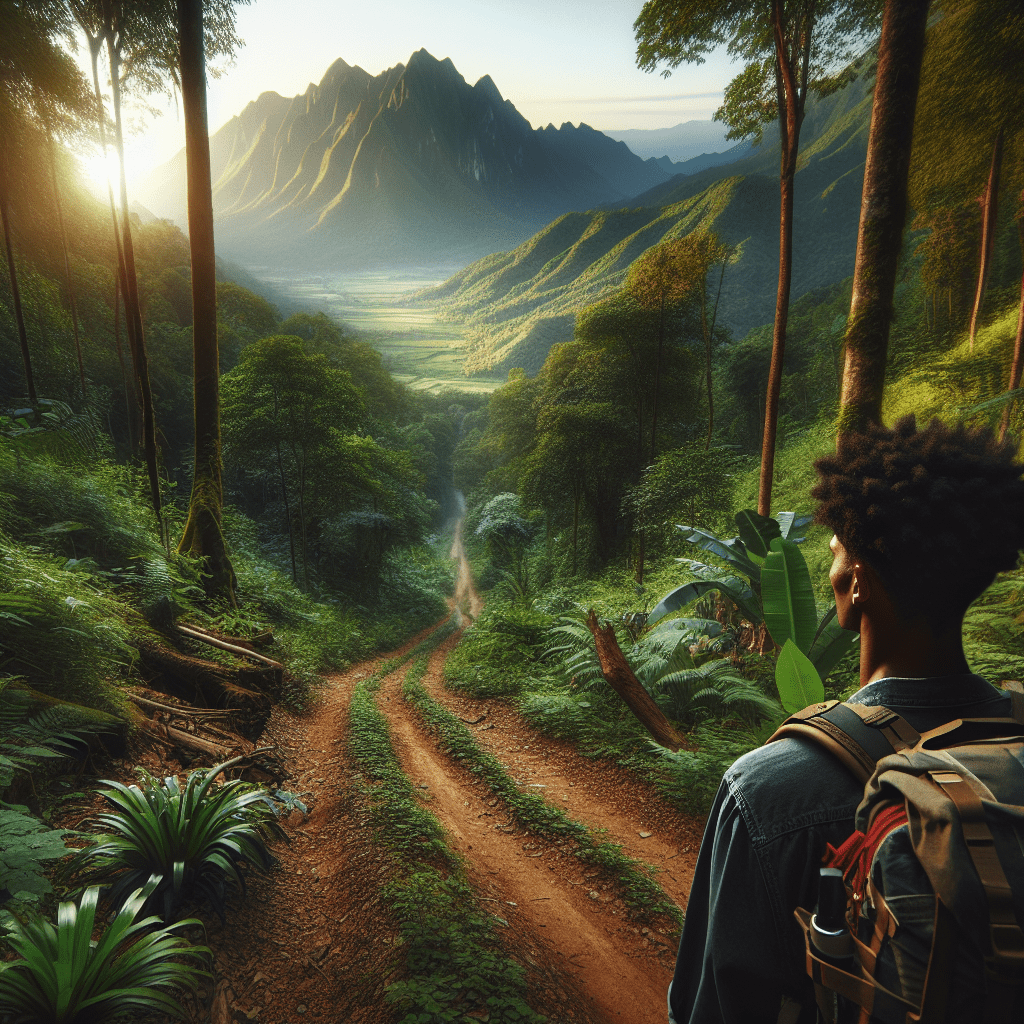

Embarking on an outdoor adventure is a thrilling experience, often marked by unknown trails, magnificent scenery, and the element of surprise. Yet, in today’s tech-driven world, reliance on GPS devices can overshadow the joy of truly exploring. In this blog post, we will dive into the art of navigating without technology, celebrating the lost art of exploration in its purest form. We’ll weave in personal anecdotes, actionable advice, and essential safety tips, all while showcasing how this skill can truly enrich your outdoor experiences.
Why Navigating Without GPS Enhances Your Adventure
Exploring without a GPS may seem daunting, but it opens up a world of discovery and connection with nature. When I think back to my first solo expedition into the wilderness, the memory remains vivid. Armed only with an old-school map and compass, I felt a mix of anxiety and excitement. I’d long studied the terrain at home, but nothing prepared me for the feeling of actually standing in it. Without the constraints of a GPS device, each decision felt monumental. I found paths that weren’t marked, intersected with locals who shared tales of hidden gems, and enjoyed the liberating experience of getting lost.
The Importance of Navigational Skills
While modern technology provides convenience, it can also impede our ability to read natural cues. Reliable navigational skills, including understanding maps, using a compass, and recognizing trail markers, are critical for any outdoor enthusiast. Imagine hiking through a dense forest, only to realize your GPS has lost signal. In moments like this, having cultivated navigational skills can be the difference between a successful adventure and a frustrating night out in the wilderness.
Tools of the Trade: What You Need
Before embarking on your adventure, equipping yourself with the right tools is essential. Here are some must-have items for every outdoor explorer:
-
Map: Grab a detailed topographic map of the area you’ll be exploring. This not only helps with navigation but also provides insight into elevation changes that might impact your trek.
-
Compass: A good-quality compass is vital. Learn how to use it effectively by taking a map reading and orienting yourself based on your surroundings.
-
Field Guide: A compact field guide helps identify flora and fauna, enriching your experience as you recognize local wildlife.
-
Notebook and Pencil: Jot down observations, trail findings, or even personal reflections. This adds a wonderful layer of engagement to your adventure.
Personal Anecdote: Overcoming Obstacles
On one particular hiking trip, my trusty GPS failed me amid the rolling hills of a national park. Initially, panic set in. But then, I remembered my compass training. After studying my map, I oriented myself and discovered a trail that led to breathtaking vistas I had never planned to see. The experience reinforced my belief that sometimes, the best treasures lie off the beaten path.
How to Navigate Without GPS: Step-by-Step Guide
Understanding Topographic Maps
A topographic map provides more than just a visual representation. It encodes information about terrain elevation, bodies of water, and existing paths. To get started, locate key features:
-
Contour Lines: These lines indicate elevation changes. The closer the lines, the steeper the terrain.
-
Symbols: Learn the symbols used for forests, rivers, and trails. Familiarizing yourself with these enhances your navigation accuracy.
Compass Basics: Finding Your Way
Using a compass might seem archaic, but it’s a skill worth mastering. Here’s how to get started:
- Identify North: Hold the compass flat and turn until the needle aligns with the north mark.
- Take a Bearing: Turn your body until the object you’re aiming for sits along the direction of travel arrow.
- Follow Your Bearing: Move in the direction indicated, periodically checking your compass as you navigate.
Combining Techniques: Map and Compass
The real magic happens when you combine map reading with compass navigation:
- Orienting the Map: Lay your map flat, align it with the compass, and identify your location based on recognizable landmarks.
- Planning Your Route: Determine key waypoints, taking into account elevation changes and potential hazards.
Common Mistakes to Avoid
As you embark on your GPS-free adventures, it’s important to be aware of common pitfalls:
-
Underestimating Distances: Trails may appear shorter on a map than they are in reality. Always account for the time needed to navigate safely.
-
Ignoring Weather Conditions: Weather can change rapidly in the outdoors. Be prepared for unexpected changes that might alter your plans.
-
Neglecting to Practice: Before heading into the wild, practice your skills in familiar areas. This builds confidence and hones your abilities.
Anecdote: Learning from Mistakes
During one of my early excursions into the backcountry, I underestimated the distance to a scenic overlook. What I thought would be a half-hour hike turned into a three-hour trek uphill. The sense of fatigue settled in, but it turned into a valuable lesson in preparation and pacing. If only I had paid more attention to the map’s scale!
Wrap-Up: Embracing Adventure
Engaging with nature without the aid of a GPS fosters deeper connections and enhances your experiences. You gain not only navigational skills but also the thrill of independence and self-reliance. So, pack that map and compass, and venture forth! The world is waiting for you to discover it in all its untamed glory.
Reader Questions Answered
What should I do if I get lost while hiking?
Stay calm, assess your surroundings, and use your map and compass to figure out your location. If necessary, retrace your steps to familiar terrain.
How can I practice my navigation skills before heading out?
Consider local parks where you can practice map reading, compass skills, and route planning. Join a navigation workshop if available.
Is it necessary to inform someone about your hiking plans?
Absolutely! Always let someone know your intended route and expected return time. It’s an essential safety measure in case of emergencies.
FAQs
Can I still explore without a smartphone?
Definitely! While smartphones can be helpful, traditional methods like maps and compasses create an enriching experience.
What if I don’t know how to read a map?
Consider enrolling in an outdoor navigation course. Many organizations offer workshops that teach the basics and beyond.
How do I choose the right map for my adventure?
Select a map that includes your specific hiking area, preferably topographic for elevation changes. Local outdoor shops often carry detailed maps.
By embracing the art and joy of exploring without a GPS, you equip yourself with invaluable skills and the promise of adventure. Ready to take the plunge? Adventure awaits!