

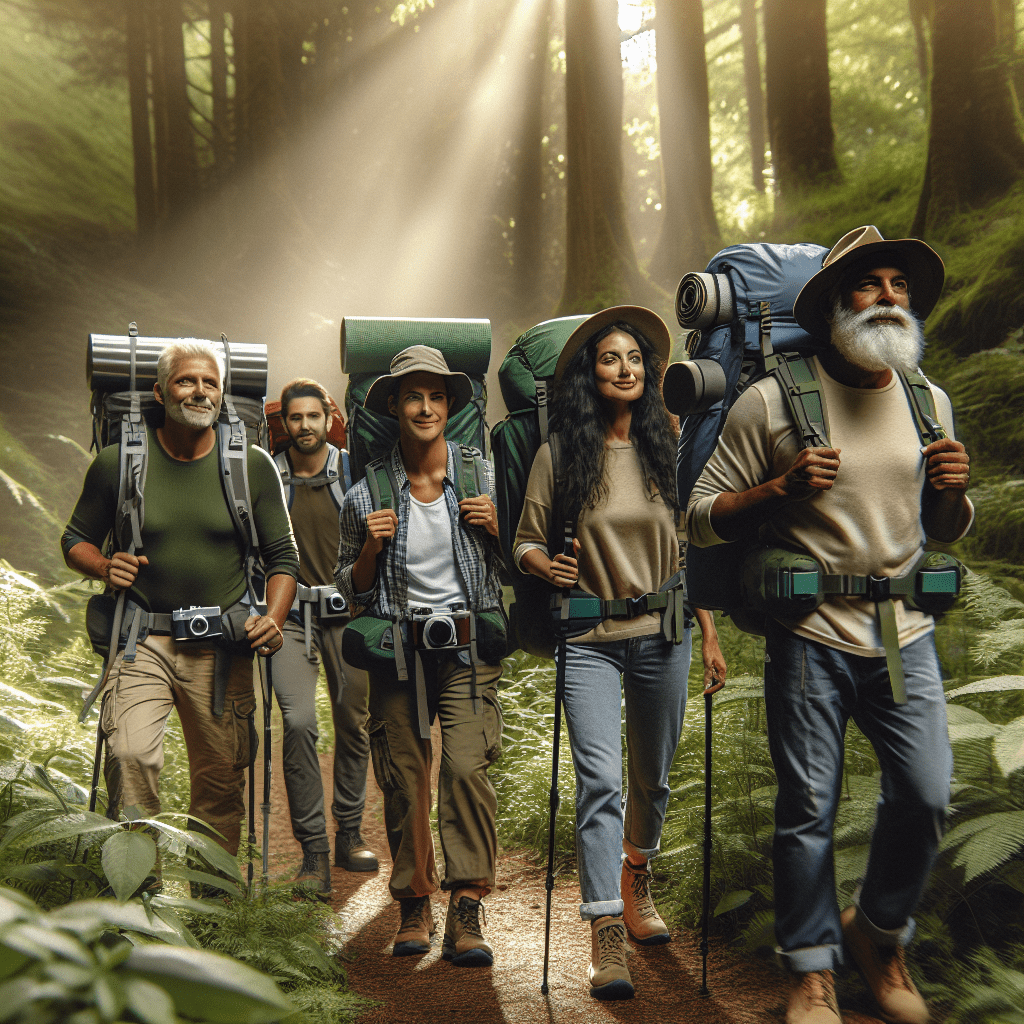

Have you ever stood at the edge of a pristine lake, surrounded by mountains that seem to touch the sky, inhaling the crisp air that fills your lungs with a sense of freedom? This is the magic of backpacking—a journey where each step leads you deeper into nature’s embrace. Yet, with this profound experience comes an imperative responsibility to protect the environment we cherish. How can we explore the great outdoors while ensuring that it remains untouched for future adventurers? Today, we will embark on that adventure together, exploring sustainable backpacking practices, sharing memorable experiences, and discovering how we can all play a part in preserving our beloved landscapes.
Backpacking is not just a mode of travel; it’s a lifestyle choice that promotes harmony with nature. Whether you’re a seasoned trailblazer or a novice hiker, understanding how to backpack sustainably is critical. It’s time to lace up those hiking boots and embrace the wilderness, armed with knowledge and respect for our surroundings.
The Essence of Sustainable Backpacking
Sustainable backpacking prioritizes the ethical use of the environment while enjoying outdoor adventures. It’s about minimizing your impact on nature so that future generations can experience the same joy. This section breaks down the why and how of sustainable backpacking.
Understanding Your Footprint
Every trek leaves a footprint—both literal and environmental. Consider the first time you ventured into the woods. As I stepped onto the trail, excitement surged through me, mingled with a hint of anxiety. I remember spotting a discarded water bottle along the way, a stark reminder of the lasting impact we can leave behind. It made me realize that with every choice, from the paths we walk to the gear we carry, we have the power to tread lightly.
Gear Essentials for Sustainable Backpacking
Investing in sustainable gear can greatly reduce your environmental impact. Here are some essentials to consider:
- Backpacks: Look for brands dedicated to sustainable practices, using recycled materials.
- Sleeping Systems: Opt for lightweight, biodegradable options like sleeping bags made from organic cotton or sustainable down.
- Cooking Gear: Wind-efficient stoves can save fuel, while reusable containers help minimize waste.
I vividly remember transitioning to a solar-powered charger during one of my weekend trips. Not only was I able to power my devices sustainably, but I also felt a sense of fulfillment knowing my choices aligned with my values.
Planning Your Route: The Art of Leave No Trace
Planning your backpacking route is crucial for minimizing your impact. Familiarize yourself with Leave No Trace principles, which advocate for responsible outdoor ethics. Here’s a quick outline:
- Plan Ahead: Research the area, understanding local guidelines.
- Stick to Trails: Use established trails to reduce wear on the landscape.
- Camp at Designated Sites: This keeps areas pristine and protected.
A few summers ago, I decided to tackle a lesser-known mountain trail. I spent time researching how my presence could affect the local wildlife. When I finally embarked on that journey, I felt like I was dancing with nature rather than bulldozing through it. Each decision I made kept the wilderness alive and undisturbed.
Embracing Minimalism in Backpacking
One key way to engage in sustainable backpacking is through minimalism. The less you carry, the lighter your footprint. Here are some tips on packing smartly:
- Choose Multi-Use Items: A single tool that serves multiple purposes can save weight and space.
- Leave Behind Non-Essentials: Only pack what you will use. If you haven’t reached for it in the last few trips, leave it behind.
I recall a particularly challenging hike where I overpacked, complicating my journey. The realization hit me halfway up that I was carrying items that added weight but no joy. Since then, I’ve embraced minimalism, not just in packing but in my approach to life.
Engaging with the Environment
Backpacking is more than just traversing trails; it’s about engaging with the environment. Connecting with nature heightens our appreciation and strengthens our resolve to protect it.
Observing Wildlife Responsibly
Wildlife encounters can be breathtaking, but how we engage with these creatures matters. Remember the exhilaration of watching a deer graze nearby? My heart raced, yet I kept my distance, aware that approaching could disturb its natural behavior.
- Best Practices: Keep a respectful distance, and use binoculars for close observation. Educate yourself on local wildlife to understand how to react if you encounter animals.
Leaving a Legacy: Giving Back
Consider volunteering for trail maintenance or joining local conservation efforts. Engaging in these activities not only benefits the environment but connects you with others who share your passion.
Last summer, I participated in a trail clean-up. The collaboration fostered friendships and long-lasting memories, reminding me that protecting our nature is a collective responsibility.
Key Takeaways for Sustainable Backpacking
Sustainable backpacking is not a trend; it’s a commitment to preserving the beauty of the great outdoors. Remember to:
- Be mindful of your environmental footprint.
- Equip yourself with sustainable gear.
- Embrace minimalism in your packing.
- Engage respectfully with wildlife.
- Give back to the environment.
As you prepare for your next adventure, keep these principles in mind. Your journey into the wild can have a lasting impact—not only on you but on the landscape you explore.
Reader Questions Answered
1. What are some quick sustainable practices for beginner backpackers?
Start by carrying reusable containers, studying Leave No Trace principles, and opting for eco-friendly gear. Even small changes can make a big difference.
2. How do I choose a sustainable backpack?
Look for brands that prioritize eco-friendly materials, end-of-life product options, and ethical labor practices. Research customer reviews for insights.
3. Can I enjoy backpacking without affecting the environment?
Yes! By practicing responsible camping, minimizing waste, and respecting wildlife, you can enjoy the wilderness while leaving no trace.
FAQs
1. What does Leave No Trace entail?
Leave No Trace is a set of outdoor ethics promoting conservation in the outdoors by minimizing human impact.
2. How can I reduce my water usage while backpacking?
Carrying a filtration system allows you to drink from natural sources, significantly reducing the need for bottled water.
3. Are there eco-friendly alternatives to traditional backpacking supplies?
Absolutely! Look for biodegradable soaps, solar charging options, and handcrafted cooking gear made from sustainable materials.
Backpacking is a journey that can deeply enrich your life while encouraging a sense of responsibility toward our planet. The more we immerse ourselves in nature, the more we must commit to protecting it. So gear up, step out, and explore sustainably!