

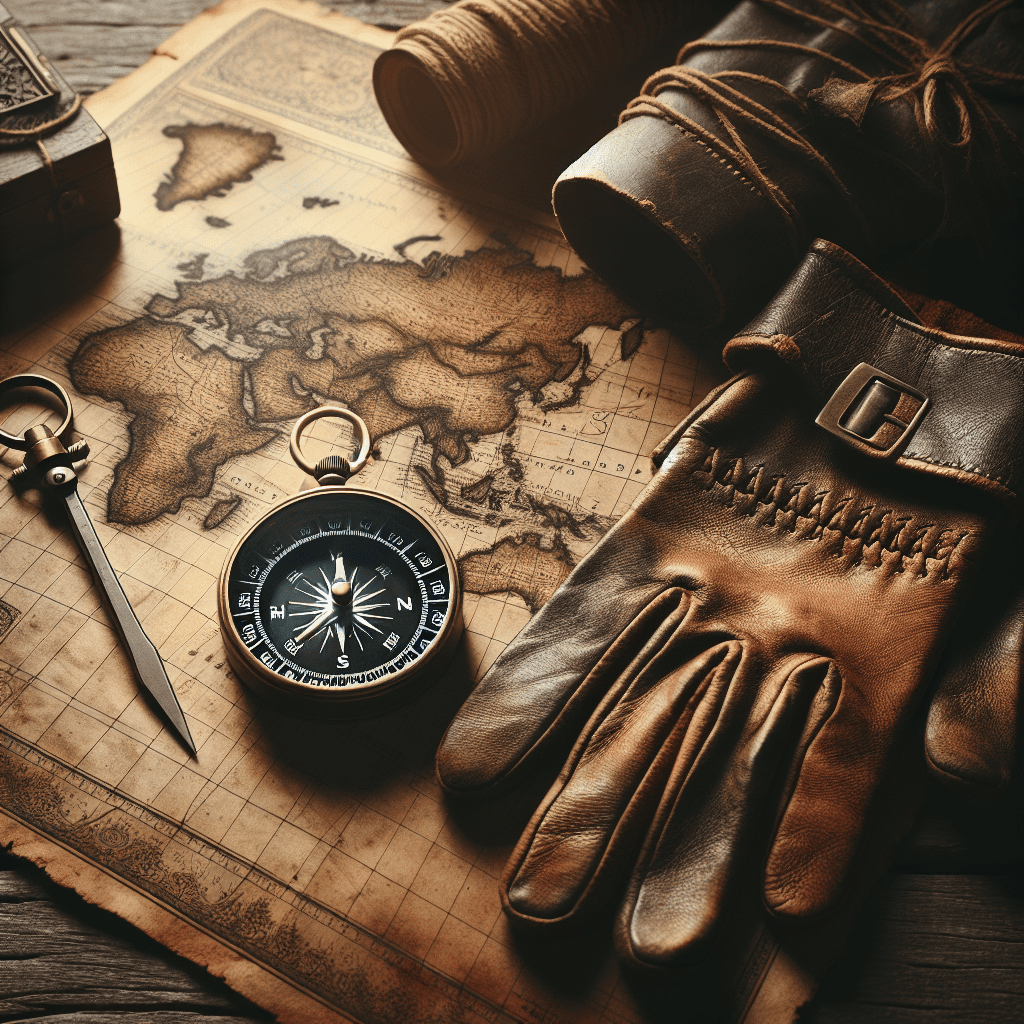

In an era where GPS technology reigns supreme, the art of traditional map reading seems to be fading into obscurity. However, every seasoned outdoor enthusiast knows that understanding how to read a map is not just a skill; it’s a survival tool. Being able to navigate without a smartphone or GPS device can prove invaluable in emergency situations, enhancing your adventure experience, and instilling a deep sense of accomplishment.
This blog post dives into the heart of traditional map reading skills. We’ll explore actionable techniques, share memorable anecdotes, and highlight the essential tools you need to navigate confidently in the great outdoors.
Why Master Traditional Map Reading Skills?
Imagine you’re on a remote hiking trail, and your GPS suddenly malfunctions. Panic sets in for a moment, but then you remember your trusty map tucked safely in your backpack. Rather than feeling lost, you retrieve the map, scan the terrain, and confidently plot your course. This scenario highlights why mastering traditional map reading skills is crucial. Not only does it equip you with the ability to navigate without technological crutches, but it also enhances your confidence and self-reliance.
Understanding the Basics of Map Reading
Map Types: Choosing the Right One
During my first major hiking expedition in the Rockies, I learned the importance of choosing the right map. Navigating rugged terrains requires a topographic map, which provides elevation changes through contour lines. On my trip, the recreational maps focusing on trails didn’t offer the full picture. I had to turn back twice, learning that understanding map types can impact your navigation experience significantly.
Tools You Need For The Journey
Before you venture out, ensure you have the right tools:
- Topographic Maps: Essential for understanding elevation and landforms.
- Compass: A reliable tool for orienting your map and verifying your direction.
- Pencil and Paper: For notes or calculating distances.
- Map Case: To protect your map from weather elements.
By having these tools, you’ll be well-prepared to tackle any trail, as I learned during my trek through the Appalachian Trail when I had to sketch my route on paper due to distance miscalculations leading me astray.
Key Map Reading Techniques
Orienting Your Map
First things first: always orient your map to your surroundings. Align your map so that north on the map points toward geographic north. A compass is a trusty companion during this task. On my first camping trip, I mistakenly assumed my position based solely on landmarks, only to discover later that they were misleadingly similar. A lesson learned about the importance of orienting my map, especially in dense forests.
Reading Contour Lines
Understanding contour lines represents an essential skill in traditional map reading. Each line depicts elevation changes, allowing you to visualize hills, valleys, and steep terrain. The closer the lines are, the steeper the terrain.
One day while hiking up a mountainous trail, I found myself relying on contour lines to decide whether I should proceed or find a gentler route. After studying the lines, I found an alternate path that avoided a particularly steep ascent, saving my energy and making for a more enjoyable hike.
Using Landmarks
Maps represent a simplified view of the terrain; therefore, learning to identify prominent landmarks is invaluable. Mountains, rivers, and distinct geological features can guide you as you move along your route. During a hiking trip in the Sierras, I recognized a uniquely shaped peak that provided reassurance as I navigated through lower elevations. Relying on both the map and the physical landscape helped me stay on track.
Common Mistakes in Traditional Map Reading
Over-Reliance on GPS
While convenience is tempting, this pitfall can leave you stranded. Relying solely on GPS can lead to overconfidence and a disconnection from your environment. I once lost signal in a mountain pass, forcing me to rely on printed maps. This experience instilled the value of being prepared for both technology’s benefits and limitations.
Ignoring Scale and Distance
Many outdoor enthusiasts underestimate the importance of map scale. A lack of attention to scale leads to incorrect distance estimations. While on a solo camping trip, I failed to account for scale and thought a lake was just a short hike away, only to find I had underestimated the distance by several miles.
Not Updating Your Maps
Outdated maps can be misleading. Trails may change, land may be developed, or paths may disappear altogether. I once attempted a trail that was marked on my 10-year-old map only to find it was long gone. Keeping your maps updated is vital for safe navigation.
Wrap-Up: Key Takeaways for Mastering Traditional Map Reading
Navigating the outdoors without GPS might seem daunting, but mastering traditional map reading skills brings a sense of empowerment and adventure to any trip. From understanding different map types to reading contour lines and recognizing landmarks, these techniques serve as essential survival skills.
Don’t dismiss the elegance of traditional navigation; instead, embrace it! With practice, a reliable map, and a well-calibrated compass, you’ll find yourself enriched by the beauty of the journey.
Reader Questions Answered
Q: What if I don’t have a compass? Can I still navigate using a map?
A: Yes! You can navigate using the map and natural landmarks. Use the sun’s position or the stars at night to gauge direction. However, investing in a compass is highly recommended for accuracy.
Q: Are there any apps that can help with traditional map reading?
A: While GPS apps can be helpful, some apps allow you to download maps for offline use. Just remember, these apps may still require batteries, so always keep a paper map handy.
Q: How do I know if my map is outdated?
A: Always check the publication date on the map. Additionally, local trailheads or Parks and Recreational sites often provide up-to-date information, so it’s wise to check with them before heading out.
FAQs
Q: What skills do I need to effectively use a compass with a map?
A: You should learn how to orient your map, take bearings, and triangulate your position using known landmarks.
Q: Can I rely on a map if there are no marked trails?
A: Yes, navigating with a map is essential in unmarked areas. Use contour lines and natural features to plan your route carefully.
Q: How can I practice my map reading skills?
A: Start by exploring local parks or nature reserves with a paper map. Challenge yourself by attempting to navigate to specific points without relying on GPS.
In conclusion, as outdoor enthusiasts, embracing traditional map reading skills enriches our experiences and keeps us safe in the wilderness. Stand apart from the technology-dependent crowd, invest time in mastering these essential skills, and watch as your adventure unfolds before you—boldly and confidently.