

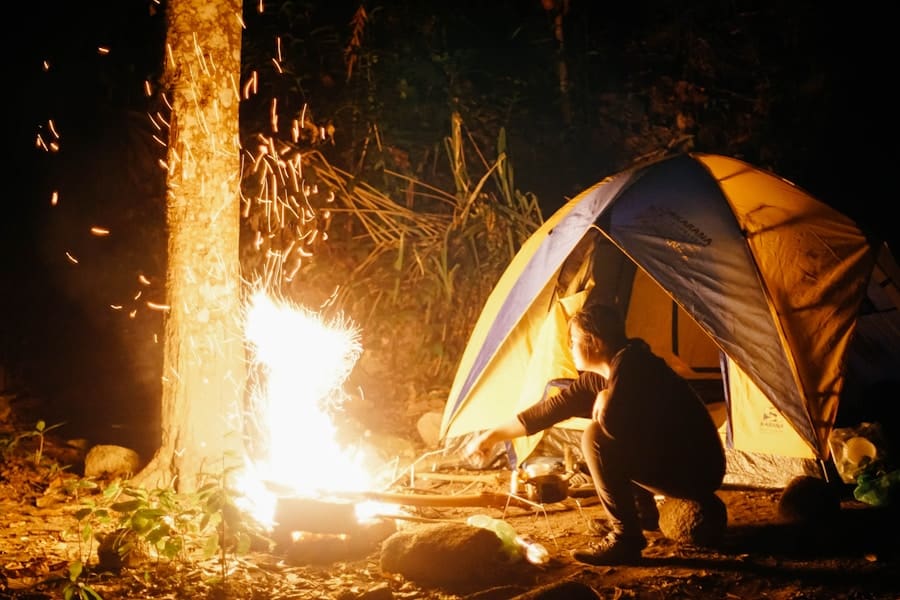

# Beyond the Tent: Unique Camping Shelters for Your Next Adventure I just bought a new camping tent for our upcoming trip.
Key Takeaways
- Unique camping shelters offer a new and exciting way to experience the great outdoors, providing a different perspective on traditional camping.
- Alternative camping shelters include tree tents, yurts, and geodesic domes, offering a variety of options for campers looking for a unique experience.
- Hammock camping provides numerous benefits, including improved sleep, minimal impact on the environment, and the ability to set up camp in unconventional locations.
- Eco-friendly camping shelters prioritize sustainability and minimal environmental impact, utilizing recycled materials and renewable energy sources.
- When choosing the right camping shelter, consider factors such as weather resistance, weight, ease of setup, and the specific needs of your camping trip.
Camping has long been a cherished pastime, offering a chance to escape the hustle and bustle of daily life and immerse oneself in nature. While traditional tents have served as the go-to shelter for many outdoor enthusiasts, a new wave of alternative camping shelters is gaining popularity. These unique camping shelters not only provide a different experience but also allow you to connect with the environment in innovative ways.
Whether you’re a seasoned camper or a novice looking to spice up your outdoor adventures, exploring these alternative options can lead to unforgettable experiences. Imagine waking up to the sound of rustling leaves and birds chirping, all while suspended in the air in a cozy hammock or nestled under a tarp that lets you gaze at the stars. The world of camping shelters has expanded beyond the conventional tent, offering a variety of options that cater to different preferences and needs.
In this blog post, we will delve into the various types of alternative camping shelters, their benefits, and tips for choosing the right one for your next adventure. Get ready to embrace the great outdoors like never before!
Types of Alternative Camping Shelters
When it comes to alternative camping shelters, there are several exciting options to consider. Each type offers its own unique experience and can cater to different environments and weather conditions. Among the most popular choices are hammock camping, tarp camping, and DIY lean-to shelters.
Hammock camping has surged in popularity due to its lightweight nature and comfort. Hammocks are easy to set up between two trees, making them an excellent choice for forested areas. They provide a cozy cocoon-like feeling that many campers find relaxing.
However, it’s essential to consider the potential downsides, such as limited space for gear and the need for trees in close proximity. Tarp camping is another fantastic alternative that allows for versatility and creativity. A tarp can be set up in various configurations, providing shelter from rain or sun while still allowing for airflow.
This option is particularly appealing for minimalist campers who want to travel light. On the downside, tarp setups may require some practice to master, and they may not offer as much protection from insects or cold weather as traditional tents. DIY lean-to shelters are perfect for those who enjoy hands-on projects and want to connect with nature on a deeper level.
Building your own shelter using natural materials can be incredibly rewarding and allows you to customize your space according to your needs. However, constructing a lean-to requires time, effort, and some knowledge of survival skills, which may not be ideal for everyone.
Benefits of Hammock Camping
Hammock camping offers a plethora of benefits that make it an attractive option for outdoor enthusiasts. One of the most significant advantages is comfort. Hammocks naturally cradle your body, reducing pressure points and allowing for a restful night’s sleep.
Many campers find that they wake up feeling more refreshed after sleeping in a hammock compared to a traditional sleeping pad on the ground. Another benefit is the lightweight nature of hammock camping gear. Hammocks are typically much lighter than tents, making them an excellent choice for backpackers or those looking to minimize their load.
With the right setup, you can easily pack your hammock, straps, and rainfly into a small bag without sacrificing comfort or functionality. However, it’s essential to consider some challenges associated with hammock camping. For instance, finding suitable trees can be tricky in certain environments, such as open fields or rocky terrains.
Additionally, if you’re camping in an area with a high insect population, you may need to invest in bug nets or other protective gear to ensure a comfortable experience.
Eco-Friendly Camping Shelters
As outdoor enthusiasts become more aware of their impact on the environment, eco-friendly camping shelters are gaining traction. These shelters prioritize sustainability and minimize harm to natural ecosystems while providing comfortable accommodations for campers. One popular eco-friendly option is using natural materials to create temporary shelters, such as lean-tos made from fallen branches and leaves.
This approach not only reduces waste but also allows you to leave no trace behind when you leave your campsite. Additionally, many companies now offer sustainable camping gear made from recycled materials or biodegradable components. Tarp camping can also be considered eco-friendly since it often requires fewer resources than traditional tents.
By using a tarp instead of a tent, you can reduce your carbon footprint while still enjoying the great outdoors. Furthermore, many tarp setups allow for minimal ground disturbance, preserving the natural landscape.
Tips for Choosing the Right Camping Shelter
Selecting the right camping shelter can significantly impact your outdoor experience. To ensure you make the best choice for your adventure, consider several factors before making a decision. First and foremost, assess your destination and its environment.
Are you heading into a dense forest where trees are abundant? If so, hammock camping might be ideal. Conversely, if you’re venturing into an open area with limited tree cover, tarp or tent camping may be more suitable.
Next, think about the weather conditions you might encounter during your trip. If rain is in the forecast, ensure that your chosen shelter provides adequate protection from moisture. Tarp setups can be adjusted for various weather conditions, while hammocks often require additional rainfly gear for full coverage.
Lastly, consider your personal preferences and comfort levels. If you value ease of setup and portability, lightweight camping gear like hammocks or tarps may be more appealing. On the other hand, if you prefer a more traditional camping experience with added space for gear and comfort, a tent might still be your best bet.
DIY Camping Shelters
For those who enjoy hands-on projects and want to connect with nature on a deeper level, building your own DIY camping shelter can be an incredibly rewarding experience. Lean-to shelters are among the simplest structures to create and can be constructed using materials found in your surroundings. To build a basic lean-to shelter, start by finding two sturdy trees spaced apart at least six feet apart.
Gather fallen branches and logs to create a frame against one side of the trees. Then, use smaller branches or leaves to create a roof that provides adequate coverage from rain or wind. This type of shelter allows you to customize your space according to your needs while also giving you a sense of accomplishment.
Another DIY option is creating a debris hut using natural materials like leaves and grass for insulation. This type of shelter is particularly useful in colder climates where warmth is essential. While building these structures requires time and effort, they offer an unparalleled connection with nature and can enhance your overall outdoor experience.
Unique Camping Shelter Destinations
Now that you’re familiar with various types of unique camping shelters, it’s time to explore some stunning locations where you can put them into practice! One fantastic destination is the Great Smoky Mountains National Park in Tennessee and North Carolina. With its lush forests and abundant trees, it’s an ideal spot for hammock camping enthusiasts looking to immerse themselves in nature.
If you’re interested in tarp camping, consider heading to Joshua Tree National Park in California. The park’s unique rock formations and open landscapes provide ample opportunities for creative tarp setups while enjoying breathtaking views of the desert landscape. For those who want to try their hand at building DIY lean-to shelters, head to the Adirondack Mountains in New York.
The region’s dense forests offer plenty of materials for constructing temporary shelters while providing stunning views of lakes and mountains.
Embracing the Adventure of Unique Camping Shelters
As you embark on your next outdoor adventure, consider stepping beyond the traditional tent and exploring unique camping shelters that offer new experiences and connections with nature. Whether you choose hammock camping for its comfort, tarp camping for its versatility, or DIY lean-tos for their hands-on approach, each option presents an opportunity to embrace the great outdoors in exciting ways. By trying out these alternative camping shelters, you’ll not only enhance your outdoor experience but also gain valuable skills and knowledge about nature and sustainability.
So pack your lightweight camping gear and set off on an adventure that promises unforgettable memories under the stars!
FAQs
What are some unique camping shelters?
Some unique camping shelters include yurts, treehouses, geodesic domes, tipis, and safari tents. These shelters offer a different camping experience compared to traditional tents.
What are the benefits of using unique camping shelters?
Unique camping shelters provide a more comfortable and often more spacious camping experience. They can also offer better protection from the elements and wildlife compared to traditional tents.
Are unique camping shelters more expensive than traditional tents?
Unique camping shelters can be more expensive than traditional tents, but they often provide more amenities and a more unique experience. The cost can vary depending on the type of shelter and the location.
Where can I find unique camping shelters for rent?
Many campgrounds and outdoor adventure companies offer unique camping shelters for rent. Additionally, there are websites and platforms where individuals can rent out their unique camping shelters to others.
What should I consider when choosing a unique camping shelter?
When choosing a unique camping shelter, consider factors such as the location and weather conditions of your camping destination, the number of people in your group, and the amenities and features you desire in a shelter.