

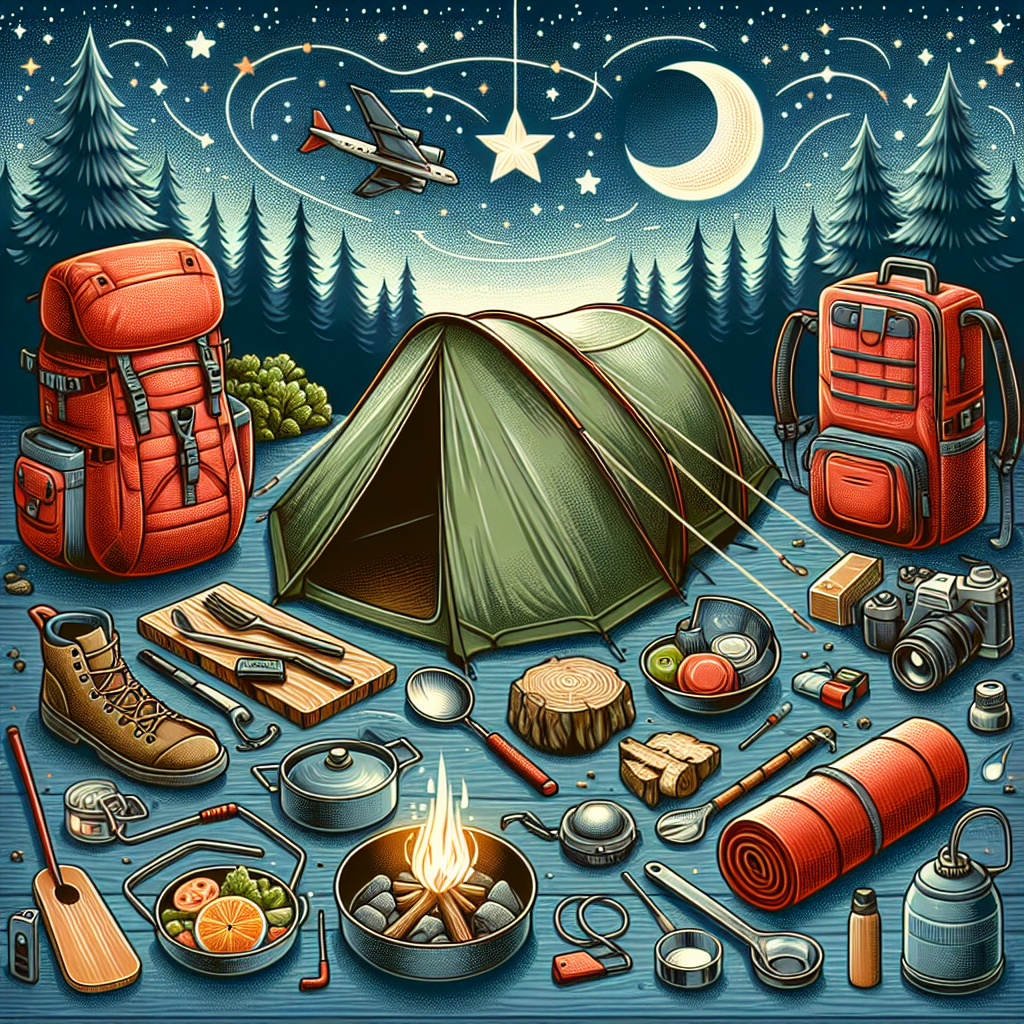

Imagine stepping into the wilderness, the smell of pine wafting through the air, and the chirping of birds creating a symphony in the background. You’re ready to escape the hustle of everyday life, but as a beginner, you might feel a wave of uncertainty wash over you. What gear do you truly need?
Camping is the gateway to adventures and memories that will last a lifetime, yet many novices hesitate due to the overwhelming array of equipment available. Do you really need that high-end sleeping bag, or can you make do with a cheaper option? Let’s unpack this.
As an outdoor enthusiast who’s spent countless nights under the stars, I’ve come to appreciate that the right gear can transform your camping experience. With every trip, there have been lessons learned, sometimes the hard way. So, whether you’re ready to conquer the mountains, lounge by a serene lake, or explore a nearby state park, let’s dive into the essentials you’ll need to make your camping experience unforgettable.
The Essentials of Camping Gear
Selecting Your Shelter: Tents and More
When I first started camping, I assumed any tent would suffice; boy, was I wrong! I borrowed a flimsy, decades-old tent from a friend for my first solo trip. Halfway through the night, I found myself taking inventory of the stars above rather than out of a window.
Choosing the Right Tent:
- Capacity: Opt for a tent that can comfortably fit the number of people joining you. If you’re solo, consider a 2-person tent – it offers some wiggle room for your gear.
- Seasonality: For year-round camping, a 4-season tent is ideal. However, if you’re only venturing out during the summer, a 3-season tent will suffice.
- Weight: If you’re backpacking, pay attention to weight. Look for ultralight options that won’t weigh you down on the trail.
Sleeping Gear: Comfort Under the Stars
After setting up camp, the last thing you want is a sleepless night. I learned this the hard way when I ditched the sleeping pad for a thin layer of foam. Woke up with a backache that had me swearing I’d never skip on comfort again!
Key Sleeping Gear:
- Sleeping Bag: Choose one rated for the temperatures you’re likely to experience. Down bags are lightweight and compressible, but synthetic bags can keep you warm even when wet.
- Sleeping Pad: An air or foam pad provides essential cushioning and insulation from the cold ground.
- Pillow: Don’t underestimate the power of a good pillow! It can make all the difference. You can compress your clothes to use as a DIY pillow or bring a lightweight camping pillow.
Cooking Essentials: Whipping Up Adventure
One of my favorite memories is cooking a hearty breakfast next to a bubbling creek, the sound of sizzling bacon intertwining with the chirps of morning birds. It was a feast made easy with the right cooking gear.
Cooking Gear Checklist:
- Stove: A portable camp stove is efficient and safe. You can choose from propane canisters, butane options, or even wood-burning stoves for a back-to-nature experience.
- Cookware: Lightweight pots and pans that can handle direct heat and are easy to clean are key. Don’t forget utensils!
- Cooler: If you’re going for a few days, a good cooler can keep perishables fresh. Always pack it with ice packs to minimize melt.
Safety Gear: Preparing for the Unexpected
During one adventure, I found myself lost in a dense forest for several hours, with daylight quickly fading. It was a valuable lesson in the power of being prepared. Now, I always prioritize safety gear.
Safety Essentials:
- First Aid Kit: A basic kit is a must. Make sure it includes band-aids, antiseptic wipes, and other essential items.
- Navigation Tools: A map and compass, or a GPS device, will keep you oriented. Knowledge of how to use them is even more crucial!
- Multi-Tool or Knife: A dependable multi-tool is handy for various tasks, whether it’s preparing food or fixing gear.
Clothing: Dressing for the Adventure
When I first took to the trail, I underestimated the importance of good clothing. I recall one hike where I ended up soaked in rain, without an adequate layering system. I now swear by the three-layer system: base, insulation, and outer layer.
Clothing Layering Tips:
- Base Layer: Moisture-wicking materials, like merino wool or synthetic fabrics, help keep sweat off your skin.
- Insulation Layer: Fleece or down jackets keep you warm on chilly nights.
- Outer Layer: Look for waterproof and windproof jackets to protect against the elements.
Key Takeaways: The Path to Camping Bliss
As you embark on your camping journey, remember that preparation is key. With the right gear—shelter, sleep system, cooking essentials, safety gear, and appropriate clothing—you can build a foundation for countless adventures ahead.
Outdoor experiences can be transformative, connecting you to nature and bringing clarity to life’s chaos. Embrace the journey of learning along the way, as each camping trip will teach you invaluable lessons.
Reader Questions Answered
What are the must-have gear items for a first-time camper?
A beginner should focus on a reliable tent, a warm sleeping bag, a sleeping pad, a portable stove, and essential safety items like a first aid kit. Comfortable clothing is also crucial for an enjoyable experience!
Is it worth investing in higher-quality camping gear?
Absolutely. While it may require a bit more upfront investment, quality gear is often more durable, safe, and comfortable, ultimately leading to a more enjoyable camping experience.
How do I choose the right campsite?
Research is your friend! Look for campsites that match your skill level and experience. Assess the amenities, available water sources, and proximity to hiking trails or other activities.
FAQs
What type of tent should I get for camping?
For beginners, a 3-season tent is versatile and designed for use in spring, summer, and fall.
What’s the best way to pack food for camping?
Opt for non-perishable items like nuts, dried fruits, and packaged meals. Use a cooler for perishables to keep them fresh.
How can I keep warm while camping?
Layering your clothing and choosing an adequate sleeping bag rated for colder temperatures will help keep you warm. Don’t forget hot drinks and warm meals!
As you pack your gear and prepare for your first adventure, remember: the journey starts with your first step into the wild. Gear up, get outside, and let nature work its magic. Happy camping!