

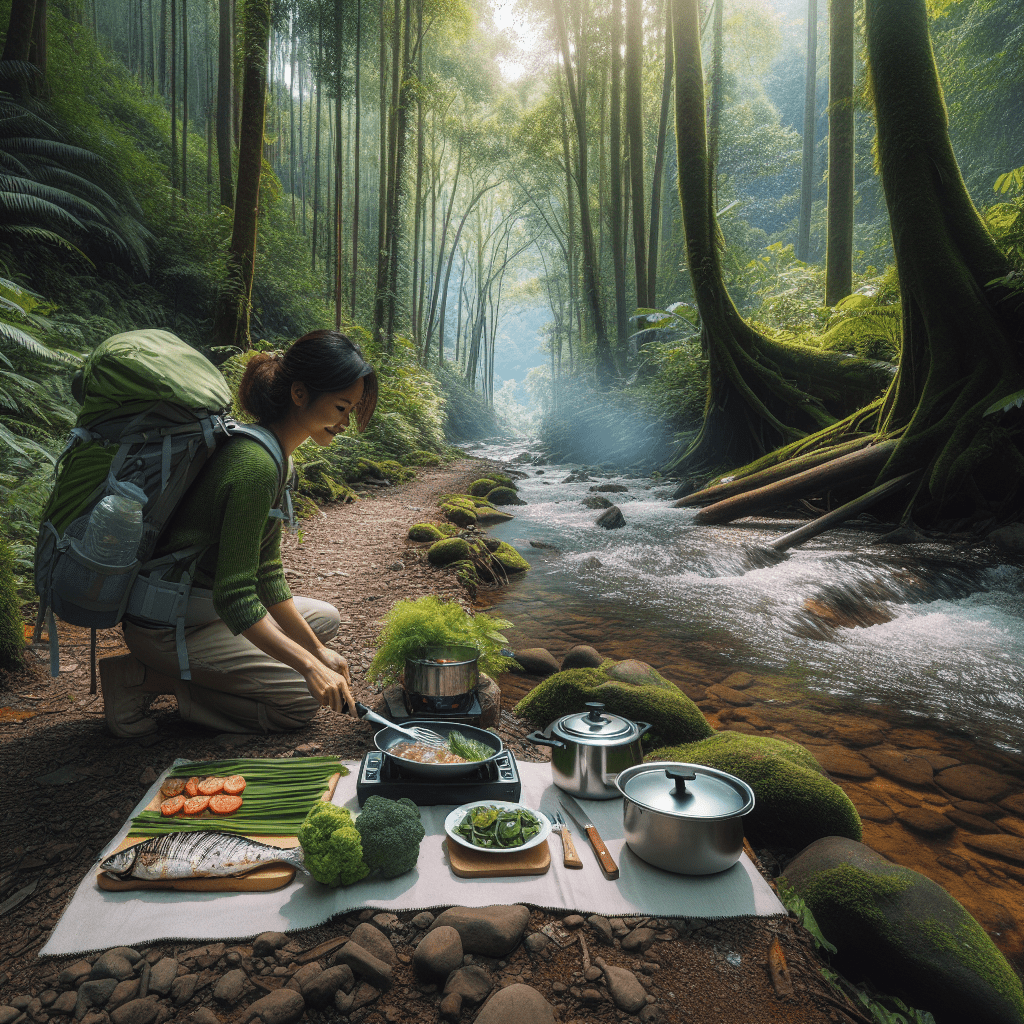

Picture this: you’re miles deep in the wilderness, the sun dipping below a rugged horizon, painting the sky with hues of orange and purple. Your stomach growls, reminding you that the granola bar you munched on hours ago won’t cut it for dinner. But here’s the twist—you pull out your lightweight stove and an assortment of ingredients, ready to whip up a meal that rivals any restaurant dish. Welcome to the world of culinary backpacking, where the great outdoors meets flavorful delights.
For outdoor enthusiasts, the notion of cooking in the wild might seem daunting, but it’s not just about survival; it’s an opportunity for culinary creativity amidst nature. So, how do you turn your backpack into a mobile kitchen? Let’s embark on this flavorful journey, blending adventure, education, and a sprinkle of personal anecdotes.
The Essentials of Culinary Backpacking
When it comes to cooking on a backpacking trip, preparation is key. You’ll want to ensure your meals are not only delicious but also lightweight and easy to cook. Here are some essentials to consider:
Gear You’ll Need
Investing in the right gear is non-negotiable for successful culinary backpacking. Here’s a list of must-haves that will transform your outdoor cooking experience:
-
Portable Stove: A lightweight, compact stove will make cooking simple. I remember my first trip where I wrestled with a questionable campfire method—I burnt my dinner and my mood!
-
Cookware: A small pot or pan made of aluminum or titanium can make meal prep quick and easy. Select ones with non-stick surfaces if possible.
-
Utensils: Don’t forget sporks, spatulas, and a cutting board. It’ll save time and headaches when preparing your meal.
-
Food Storage: Lightweight, resealable bags are great for meals; also, consider using vacuum-sealed packages to keep food fresh.
-
Water Filter: You need clean water for both cooking and drinking. The last thing you want is to spoil your culinary masterpiece with bad water!
Ingredients to Pack
Now that you have your gear sorted, let’s delve into what you should actually bring to make those enticing meals. The key is to choose dehydrated or lightweight options that can be rehydrated with water:
-
Dehydrated Vegetables: These are a game-changer. I once made a stir-fry on the trail with rehydrated bell peppers and carrots, proving that eating healthy on the trail is achievable.
-
Instant Grains and Pasta: Quinoa, couscous, or even instant rice can serve as solid bases for many meals.
-
Protein Options: Consider lightweight proteins like jerky, canned tuna, or even tofu. For a memorable meal one starry night, I created a rice bowl topped with teriyaki chicken from a pouch; it was worth the extra weight!
-
Spices and Sauces: Don’t underestimate the power of flavor! Small packets of olive oil, hot sauce, or spice blends can elevate your meals tremendously.
Meal Ideas for Every Day on the Trail
Let’s dive into some specific meal ideas that can revolutionize your trail dining experience. Each dish has its unique charm and can be easily customized:
Breakfast: Energizing Oatmeal with a Twist
Skip the bland instant packets! Instead, bring rolled oats, dried fruits, and nuts. For a memorable breakfast atop a ridge, I combined oats with cinnamon and almond butter, topped with dehydrated apples. With hot water added, it transformed into a creamy, energizing start to my day.
Lunch: Gourmet Tortilla Wraps
Tortillas are lightweight and versatile. They can be filled with anything—cream cheese, smoked salmon, or even veggies. I recall a day hiking where a simple wrap filled with goat cheese, sun-dried tomatoes, and arugula gave me the fuel to conquer steep trails ahead.
Dinner: One-Pot Pasta Delight
After a long day of trekking, the ease of a one-pot meal is heavenly. Boil water, and add your favorite pasta alongside dehydrated vegetables and a pouch of marinara sauce. This meal was a show-stopper during a weekend trip with friends—I turned an ordinary evening into a feast, complete with laughter over shared stories of past adventures.
Planning Your Meals
Effective meal planning can significantly enhance your backpacking experience. Here are some strategies and tips to consider:
Understanding Your Caloric Needs
Knowing your caloric needs while backpacking is crucial. Active individuals may require upwards of 3,000 calories per day. I’ve learned this the hard way, having once underestimated my energy requirements and found myself dragging along a series of challenging trails with an empty stomach.
Create a Meal Plan
Pre-planning your meals can save time in the backcountry. I find it helpful to map out every meal for the trip, which reduces stress and ensures I have what I need. Lay out your meals on a calendar before heading out; this can streamline your preparation process significantly.
Test Recipes at Home
Before your trip, why not try out your trail recipes at home? Not only will this help gauge cooking times and flavors, but it’ll also assist in refining portions. On one occasion, I attempted a trail chili at home, modifying ingredients until I had the perfect blend, making for a delightful experience on the trail.
Wrap-Up / Key Takeaways
Culinary backpacking isn’t just about eating; it’s a celebration of the experience, creativity, and adaptability that come with cooking in nature. Learning to prepare delicious meals requires planning, the right gear, and culinary innovation. As you venture into the wild, remember that the meals you create can invigorate your spirit, fuel your adventures, and turn every outdoor trip into a cherished memory.
So, gather your gear, plan your meals, and get ready to transform the way you eat when you hit the trails!
Reader Questions Answered
1. What are the best lightweight foods for backpacking?
Consider dehydrated meals, instant grains, nuts, and dried fruits. They provide balanced nutrition while being easy to pack and prepare.
2. How can I ensure my food stays fresh on long trips?
Use vacuum-sealed packages and keep foods in resealable bags. A small cooler may also help if you have a way to carry it.
3. What cooking gear is necessary for backpacking?
A portable stove, lightweight cookware, utensils, and a method for boiling water are essential. Don’t forget your water purification method as well.
FAQs
1. Can I cook over a campfire instead?
Absolutely! Just be sure to check local regulations and use the safest practices to prevent wildfires.
2. Are there vegetarian options for backpacking meals?
Definitely! Many pasta, grain, and protein sources like beans or tofu are great vegetarian choices.
3. How do I handle cleanup?
Pack resealable bags for trash and bring a small sponge for pots. Leave no trace principles are paramount to preserving nature.
Now you’re ready to embark on culinary adventures amidst nature. What will you cook on your next backpacking trip?