

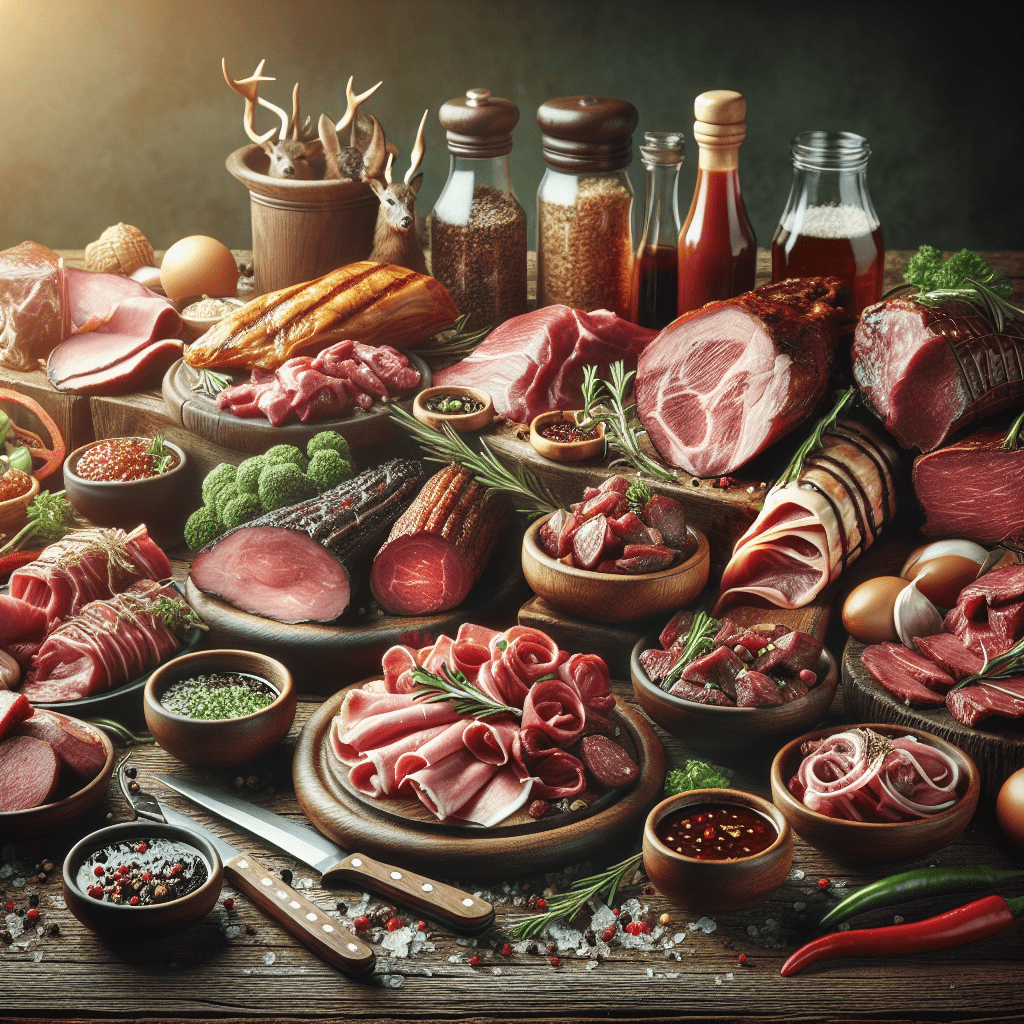

Discover the Versatile Game Meat: Recipes, Tips, and Benefits
Wild game meat has been a staple in human diets for centuries, offering not just a diverse range of flavors but an impressive nutritional profile. In this blog post, we’ll explore the wide array of benefits associated with wild game consumption, share practical cooking tips, and provide delicious recipes that will help you incorporate this versatile meat into your meals.
The Nutritional Powerhouse of Wild Game
Wild game meats, such as venison, elk, boar, and rabbit, are often leaner than conventional meats, making them a great option for those looking to eat healthier. Here are some key nutritional benefits of incorporating wild game into your diet:
-
High in Protein: Game meat is typically rich in protein, essential for muscle recovery and overall body function. For instance, venison is known to contain around 26 grams of protein per 3-ounce serving, comparable to beef but without the added fats.
-
Lower in Fat: Game meats usually have a lower fat content than domesticated animals, predominantly containing healthier unsaturated fats. This makes them an excellent choice if you’re trying to manage your weight or lower cholesterol.
- Rich in Vitamins and Minerals: Many wild game options are packed with essential nutrients, including B vitamins, iron, and zinc, all of which are vital for energy production and immune support (source: National Institute of Health).
Environmental and Ethical Benefits
Choosing wild game is not just beneficial for your health; it also has positive implications for the environment:
-
Sustainable Sourcing: Wild game meat is often harvested through regulated hunting practices that help maintain ecological balance. By choosing game, you’re supporting conservation efforts and minimizing the carbon footprint associated with the livestock industry.
- Local Availability: In many regions, wild game is readily available and can be sourced locally, reducing the transportation emissions involved in getting meat from farms to tables.
Practical Cooking Tips for Wild Game
Cooking with wild game may seem daunting, but with the right techniques, it can yield delicious results. Here are some practical tips to enhance your culinary adventure:
-
Marinate for Flavor: Due to its lean nature, game meat can benefit immensely from marinating. Consider using acidic marinades (like citrus juices) to tenderize while infusing flavor.
-
Slow Cooking: Game meats often require longer cooking times to break down tough fibers. Slow-cooking methods, such as braising or using a slow cooker, can result in tender and flavorful dishes.
- Experiment with Spice: Wild game has a unique taste that pairs well with robust spices and herbs. Ingredients like juniper berries, rosemary, and garlic can enhance the meat’s natural flavors.
Wild Game Recipes You’ll Love
1. Venison Stew
Ingredients:
- 2 pounds venison, cubed
- 4 cups beef stock
- 2 cups carrots, diced
- 2 cups potatoes, diced
- 1 onion, chopped
- 2 cloves garlic, minced
- Thyme and bay leaves for seasoning
Instructions:
- In a large pot, brown the venison cubes in olive oil.
- Add onions and garlic, cooking until translucent.
- Pour in stock and add carrots, potatoes, and herbs.
- Let it simmer for at least 2 hours for a hearty stew.
2. Grilled Elk Burgers
Ingredients:
- 2 pounds ground elk
- 1 egg
- 1/2 cup breadcrumbs
- 1 tablespoon Worcestershire sauce
- Salt and pepper to taste
Instructions:
- Mix all ingredients in a bowl until combined.
- Form into patties and grill over medium heat for about 4-5 minutes per side.
- Serve on a whole grain bun with your favorite toppings.
Key Advantages of Including Wild Game in Your Diet
- Nutrient Density: Wild game offers a higher concentration of nutrients, making it a great addition to a balanced diet.
- Lower Environmental Impact: Consuming wild game contributes to sustainable practices and wildlife conservation.
- Unique Flavors: Game meats provide a distinct taste experience that can elevate your culinary repertoire.
Health Notes
- Protein-Rich: Essential for muscle health.
- Lower Fat: A healthier option compared to conventional meats.
- Nutrient-Dense: Packed with vitamins and minerals.
- Sustainable: Supports conservation and local economies.
- Flavor Diversity: A unique addition to culinary experiences.
Incorporating wild game meat into your diet is a tasty and nutritious choice, one that supports health, sustainability, and ethical food sourcing. Whether you’re looking to expand your cooking skills or simply enjoy the robust flavors, give wild game a try. Your taste buds (and the planet) will thank you!