

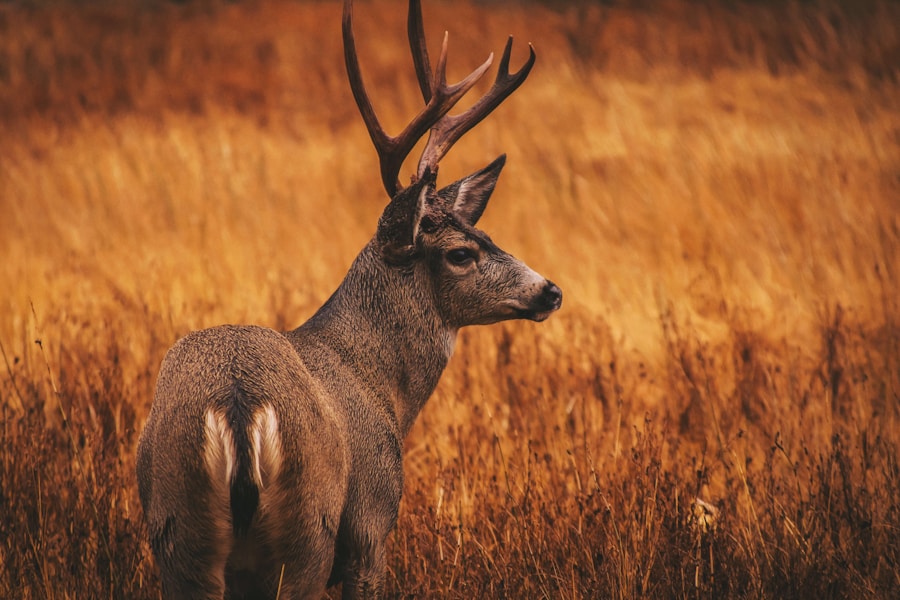

To become a successful deer hunter, it is crucial to understand the behavior of deer. These animals are creatures of habit, often following predictable patterns based on their feeding, breeding, and bedding habits. By observing these patterns, you can significantly increase your chances of a successful hunt.
For instance, deer are most active during dawn and dusk, which is when they venture out to feed. Knowing this, you should plan your hunting trips around these peak activity times. Additionally, understanding the seasonal changes in deer behavior can also be beneficial.
During the rutting season, for example, bucks become more aggressive and less cautious as they search for mates, making them more susceptible to hunters. Another important aspect of deer behavior is their sensitivity to environmental changes. Deer have an acute sense of smell and hearing, which they use to detect potential threats.
This means that any sudden noise or unfamiliar scent can easily spook them. To capitalize on this, you should familiarize yourself with the wind direction and use it to your advantage. Position yourself downwind from where you expect the deer to come from, ensuring that your scent does not alert them to your presence.
Additionally, being aware of their natural habitat and the types of food sources they prefer can help you predict where they will be at any given time. Check out the latest hunting gear at https://amzn.to/3Y20t8M.
Choosing the Right Hunting Gear
Choosing the Right Firearm or Bow
If you opt for a rifle, consider factors such as caliber and weight. A .30-06 or .308 caliber rifle is popular among deer hunters due to its effectiveness at various ranges. If you prefer archery, ensure that your bow is properly tuned and that you practice regularly to maintain accuracy. Whichever option you choose, make sure you are familiar with your equipment and can handle it safely.
Dressing for Success
In addition to your weapon, clothing plays a significant role in your hunting success. Opt for camouflage clothing that blends in with your surroundings while also providing warmth and comfort. Layering is key; start with moisture-wicking base layers to keep sweat away from your skin, add insulating layers for warmth, and finish with a waterproof outer layer to protect against the elements.
Accessories for Comfort and Stealth
Don’t forget about accessories like gloves, hats, and boots that provide both warmth and stealth. Quality gear can make a significant difference in your comfort level and overall effectiveness in the field.
Selecting the Best Hunting Locations
Finding the right hunting location can be the difference between a successful hunt and going home empty-handed. Start by researching areas known for deer populations, such as state parks or wildlife management areas. Once you have identified potential locations, spend time scouting them before the hunting season begins.
Look for signs of deer activity such as tracks, droppings, and rubs on trees where bucks have marked their territory. These indicators will help you determine where deer are likely to travel. When selecting a specific spot within your chosen location, consider factors such as food sources, water availability, and cover.
Deer are drawn to areas with abundant food, so look for fields or clearings with crops or acorns nearby. Additionally, proximity to water sources is essential, especially during hot weather when deer need hydration. Lastly, consider the cover available; deer feel safer in areas with dense vegetation where they can hide from predators.
By carefully analyzing these factors, you can pinpoint the best locations for your hunting endeavors.
Using Scents and Calls
Incorporating scents and calls into your hunting strategy can significantly enhance your chances of attracting deer. Scents can be used to mask your own odor or to lure deer into your vicinity. Commercially available scents such as doe estrus or buck urine can be effective during the rutting season when bucks are actively seeking mates.
Apply these scents sparingly on scent wicks or in strategic locations to draw deer closer without overwhelming them. Calls are another powerful tool in your hunting arsenal. Learning how to use a grunt call or a bleat call can mimic the sounds of deer and entice them into range.
A grunt call can attract curious bucks while a bleat call can signal a doe in distress, prompting nearby bucks to investigate. Practice using these calls before heading out into the field so that you can produce realistic sounds when it matters most. Remember that timing is crucial; use calls sparingly and only when you believe there are deer nearby.
Practicing Stealth and Patience
Stealth is one of the most critical skills a hunter must master. Deer have keen senses and can easily detect movement or noise, so it’s essential to approach your hunting area quietly and cautiously. When walking through the woods, take slow steps and avoid snapping twigs or rustling leaves.
Consider using a quiet approach method such as still-hunting or spot-and-stalk techniques to minimize disturbances in the environment. Patience is equally important in hunting. Once you’ve settled into your chosen spot, remain still and quiet for extended periods.
Deer may take time to appear, especially if they sense any potential danger in their surroundings. Use this time to observe the area around you; you may spot other wildlife or notice subtle changes in the environment that could indicate deer activity. Remember that hunting is as much about enjoying nature as it is about harvesting game; embrace the experience and allow yourself to be present in the moment.
Employing Effective Shot Placement
Assessing the Situation
Before taking a shot, it is essential to carefully assess the situation. Ensure that you have a clear line of sight and that there are no obstructions between you and the deer. Take into account factors such as distance and wind direction that may affect your shot accuracy.
Preparing for Different Scenarios
If possible, practice shooting from various positions—standing, kneeling, or sitting—to prepare yourself for different scenarios in the field. This will help you to be more confident and accurate in your shot placement.
Minimizing Suffering
Aiming for the ideal target area increases your chances of a successful shot while minimizing suffering for the animal. By understanding effective shot placement, you can ensure a quick and humane kill.
Tracking and Retrieving Downed Deer
Once you’ve made a successful shot, tracking and retrieving your downed deer becomes your next priority. After firing, observe the deer’s reaction; if it runs off quickly or falls immediately, this can provide clues about whether you made a good shot. Wait for at least 30 minutes before beginning your search; this allows the deer time to expire without spooking it further.
When tracking a deer, look for blood trails or disturbed vegetation that indicates its path of escape. Pay attention to the color and consistency of the blood; bright red blood suggests a lung shot while dark red blood may indicate a liver hit. Follow the trail carefully while remaining quiet; if necessary, mark key points along the way to avoid losing track of where you’ve been.
Once you’ve located the deer, approach cautiously to ensure it is indeed down before attempting retrieval.
Ethical and Responsible Hunting Practices
As an experienced hunter, it’s essential to prioritize ethical and responsible hunting practices at all times. This includes adhering to local laws and regulations regarding hunting seasons, bag limits, and licensing requirements. Respecting these guidelines not only ensures sustainable wildlife populations but also fosters positive relationships between hunters and non-hunters alike.
Additionally, practice fair chase principles by avoiding methods that give hunters an unfair advantage over game animals. This means refraining from using technology such as drones or baiting in certain areas where it’s prohibited. Always strive for clean shots that minimize suffering for the animal; if conditions aren’t right for a shot, it’s better to wait than risk wounding an animal unnecessarily.
By following these tips on understanding deer behavior, choosing appropriate gear, selecting prime locations, utilizing scents and calls effectively, practicing stealth and patience, employing proper shot placement techniques, tracking downed deer efficiently, and adhering to ethical practices, you will enhance your skills as a hunter while contributing positively to wildlife conservation efforts. Happy hunting!