

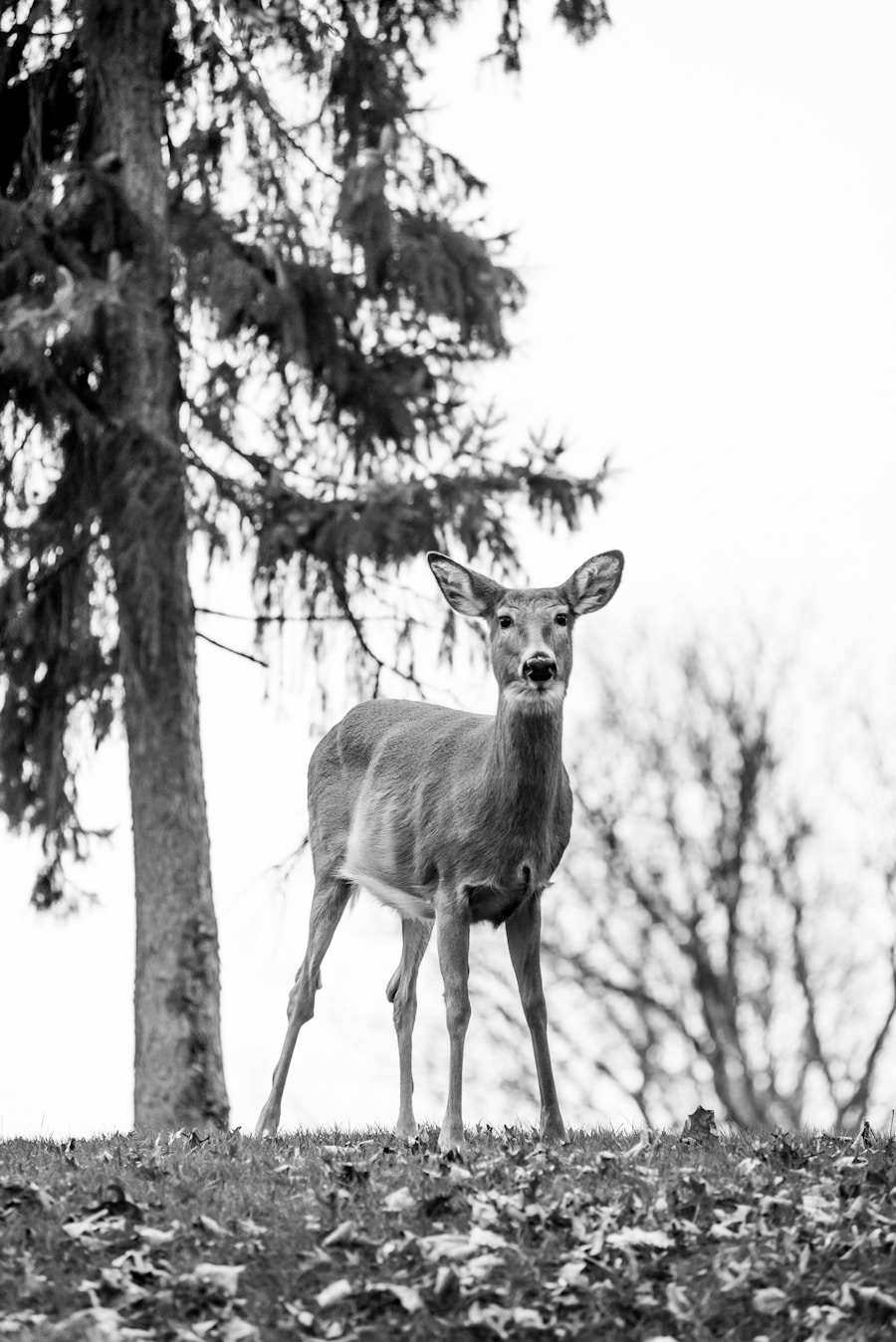

When it comes to deer hunting, selecting the right location can make all the difference between a successful outing and a frustrating day in the field. The first step in this process is to familiarize yourself with the terrain. Look for areas that provide natural cover, such as dense woods, thickets, or even agricultural fields.
Deer are creatures of habit and tend to frequent areas where they feel safe and have access to food and water. By scouting these locations ahead of time, you can identify trails, feeding areas, and bedding spots that will increase your chances of encountering deer. In addition to understanding the physical landscape, consider the time of year and seasonal patterns.
During the rut, for example, bucks are more likely to be on the move, searching for does. This means that you might want to position yourself near known travel corridors or areas where does are likely to congregate. Conversely, during the early season, deer may be more predictable in their feeding habits.
By taking into account these seasonal behaviors and adjusting your location accordingly, you can significantly enhance your chances of a successful hunt. Check out the latest hunting gear at https://amzn.to/3Y20t8M.
Understanding Deer Behavior
To become a successful deer hunter, you must develop a keen understanding of deer behavior. This involves observing their habits and recognizing patterns that can inform your hunting strategy. For instance, deer are crepuscular animals, meaning they are most active during dawn and dusk.
By planning your hunts around these times, you can increase your likelihood of encountering deer as they move to and from feeding areas. Another critical aspect of deer behavior is their social structure. Does often lead the way when it comes to feeding and movement, while bucks tend to follow.
During the rut, however, bucks become more aggressive and may stray from their usual patterns in search of mates. Understanding these dynamics can help you anticipate where deer will be at any given time. Additionally, pay attention to environmental factors such as weather conditions and moon phases, as these can also influence deer activity levels.
Using the Right Equipment
Equipping yourself with the right gear is essential for a successful deer hunting experience. Start with a reliable firearm or bow that you are comfortable using. If you opt for a rifle, ensure that it is sighted in properly before heading out into the field.
For bowhunters, practice regularly to improve your accuracy and confidence. Remember that shot placement is crucial; aim for vital areas such as the heart or lungs for a quick and humane kill. In addition to your weapon of choice, consider investing in quality optics.
Binoculars or a spotting scope can help you identify deer from a distance without alerting them to your presence. A good pair of binoculars will allow you to scan the landscape effectively and spot movement that might otherwise go unnoticed. Furthermore, don’t overlook the importance of appropriate clothing.
Dress in layers to accommodate changing weather conditions and choose materials that provide both warmth and stealth.
Practicing Stealth and Patience
Stealth is one of the most critical components of successful deer hunting. Deer have an acute sense of hearing and smell, so it’s essential to move quietly and avoid sudden movements that could alert them to your presence. When approaching your hunting location, take your time and be mindful of the ground beneath your feet; avoid stepping on twigs or dry leaves that could create noise.
Additionally, consider using natural cover to conceal your movements as you make your way to your stand or blind. Patience is equally important in the world of deer hunting. Once you’re settled into your spot, resist the urge to constantly check your watch or fidget with your gear.
Instead, focus on remaining still and quiet while observing your surroundings. Deer may take their time before appearing, so it’s crucial to stay alert and ready for action. Remember that hunting is as much about enjoying nature as it is about harvesting game; take this opportunity to appreciate the sights and sounds around you while waiting for that perfect moment.
Scent Control and Wind Direction
One of the most significant factors affecting your success in deer hunting is scent control. Deer have an extraordinary sense of smell, which they rely on to detect danger in their environment. To minimize your scent, start by washing your hunting clothes with scent-free detergent and storing them in a sealed bag until you’re ready to head out.
Additionally, consider using scent-eliminating sprays or wipes on your gear before entering the field. Understanding wind direction is equally vital when it comes to scent control. Always position yourself downwind from where you expect deer to approach.
This way, any scent you may emit will be carried away from them rather than toward them. Use a wind checker—such as powder or a small piece of fabric—to monitor wind direction as you set up your stand or blind. By being mindful of both scent control and wind direction, you can significantly increase your chances of remaining undetected by wary deer.
Setting Up Effective Deer Attractants
Food Plots and Bait Stations
One popular method is using food plots or bait stations filled with high-nutrient foods that deer love, such as corn or soybeans. If you choose this route, be sure to check local regulations regarding baiting practices in your area, as laws can vary widely.
Mineral Licks and Salt Blocks
Another effective attractant is using mineral licks or salt blocks strategically placed near trails or bedding areas. These not only provide essential nutrients for deer but also encourage them to return frequently to the same spot.
Scents and Strategic Placement
Additionally, consider using scents like doe estrous during the rutting season to draw in bucks looking for mates. By setting up effective attractants in conjunction with your scouting efforts, you can create an environment that encourages deer movement and increases your chances of a successful hunt.
Utilizing Calls and Decoys
Incorporating calls and decoys into your hunting strategy can be a game-changer when it comes to attracting deer. Various calls mimic the sounds that deer make—such as grunts or bleats—and can entice curious animals into range. Practice using these calls before heading out so that you can produce realistic sounds when it matters most.
Decoys can also be an effective tool for luring in deer, especially during the rut when bucks are actively seeking does. Positioning a decoy in an open area can create an illusion of another deer in the vicinity, prompting nearby bucks to investigate further. Be sure to place decoys strategically based on wind direction and visibility; this will help ensure that they appear natural and enticing to approaching deer.
Safety and Ethical Hunting Practices
Safety should always be a top priority when engaging in any hunting activity. Before heading out into the field, ensure that you have all necessary permits and licenses required by local regulations. Familiarize yourself with firearm safety rules if you’re using a rifle or shotgun; always treat every weapon as if it’s loaded and keep it pointed in a safe direction at all times.
Ethical hunting practices are equally important for maintaining healthy wildlife populations and preserving the sport for future generations. Only take shots that you are confident will result in a quick and humane kill; avoid taking risky shots that could lead to wounded animals escaping into difficult terrain. Additionally, respect private property boundaries and adhere to local laws regarding hunting seasons and bag limits.
By practicing safety and ethics in your hunting endeavors, you contribute positively to both the sport and wildlife conservation efforts. In conclusion, becoming a successful deer hunter requires a combination of knowledge, skill, patience, and respect for nature. By choosing the right location, understanding deer behavior, utilizing appropriate equipment, practicing stealth and patience, controlling scent, setting up attractants effectively, using calls and decoys wisely, and adhering to safety and ethical practices, you can enhance your hunting experience significantly.
Embrace these tips as part of your journey into the world of deer hunting, and enjoy every moment spent in pursuit of this rewarding outdoor activity.