

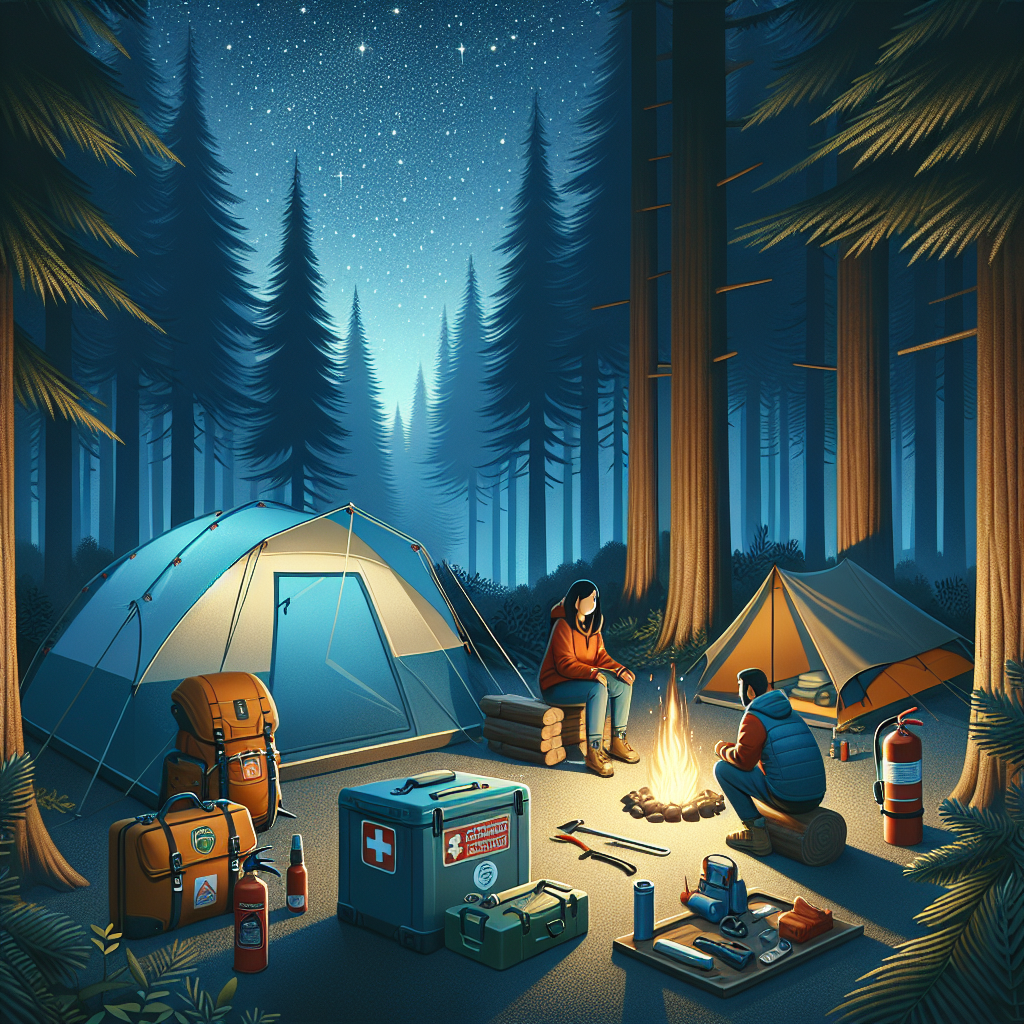

Picture this: the sun is setting over a tranquil lake, the stars gradually emerge, painting the night sky with twinkling lights. As you huddle beside a crackling campfire, the smell of grilled marshmallows wafts through the air. It’s moments like these that define a successful camping trip. But before you embark on that wilderness escape, it’s crucial to prioritize safety to ensure your adventure remains as enjoyable as this idyllic scene.
Camping is not just about relaxing in nature; it’s about embracing the unknown. Each trip teaches us something new—whether it’s how to navigate a trail or the importance of preparing for unexpected weather. So, how do you equip yourself for a worry-free wilderness adventure? Let’s dive into essential camping safety tips that will keep you safe while maximizing your outdoor enjoyment.
Understand Your Destination: Research is Key
Before you even pack your bags, the first step in your camping safety checklist is to conduct thorough research about your chosen campsite. This is where your adventure begins, and it’s essential to understand what nature can offer while also recognizing its potential hazards.
Consider this: on a solo hiking trip in the Smoky Mountains, I ignored the advice of a local ranger when they warned about sudden weather changes. Halfway through the hike, clear blue skies transformed into an unexpected downpour. Knowing the terrain beforehand can make a life-saving difference.
Familiarize yourself with:
- Weather Patterns: Check forecasts and be aware of common weather conditions for your camping area.
- Wildlife: Understand the animals you might encounter, especially if they include bears or snakes.
- Local Regulations: Each campsite has different rules regarding campfires, waste disposal, and wildlife interactions.
Gear Essentials: Keep it Safe and Practical
Having the right gear can significantly impact your camping experience. It’s not just about comfort; it’s about safety too. Here’s a rundown of must-have equipment that ensures you’re ready for anything nature throws your way.
First Aid Kit
Always pack a well-equipped first aid kit. Include essentials like band-aids, antiseptic wipes, and any personal medications. When my friend cut their hand on a sharp rock while attempting to set up a tent, our first aid kit was a lifesaver. Without it, we would have had to make a hasty trip back to civilization.
Navigation Tools
Never rely solely on your smartphone’s GPS. Bring a physical map and compass as back-ups. On a hiking trip in Yosemite, my phone died due to low battery. Thankfully, my map-reading skills (learned from prior trips) guided us safely back to camp.
Weather-Specific Gear
Packing the right clothing and equipment is vital. Always bring waterproof jackets, sturdy hiking boots, and thermal clothing depending on the season. A friend and I once underestimated the mountain chill; the extra layers we had packed turned a shivering night into a cozy, warm one under the stars.
Setting Up Camp: Safety First
Where you choose to set up camp can make or break your experience. Taking time to find the right spot is essential for both comfort and safety.
Choosing the Right Location
When selecting a campsite, look for naturally flat ground, away from hazards like loose rocks and dead branches. Avoid low spots where rain can accumulate. I learned this lesson the hard way during a memorable yet soggy camping trip in the Appalachian Mountains where we camped in a dip. When it rained, our “cozy” spot turned into a small lake!
Fire Safety
If your campsite allows campfires, prioritize fire safety. Keep fires small, have a bucket of water or dirt nearby, and never leave it unattended. A wildfire sparked by an abandoned campfire in our vicinity once forced campers, including myself, to evacuate quickly. It was a stark reminder of how seriously we should take fire safety.
Hiking and Exploring: Stay Safe on the Trail
Exploring the wilderness is a thrilling aspect of camping, but it requires vigilance and awareness.
Stay on Designated Trails
Sticking to marked trails reduces your chances of getting lost or harming the environment. During an off-trailing trek in a Northern California forest, I accidentally damaged delicate plant life. It not only felt wrong, but it also taught me the importance of protecting the natural world.
Hiking in Groups
If possible, always hike with a buddy. The camaraderie is enjoyable, and having someone with you can be crucial for safety in case of emergencies. On a solo hike, I met a friendly fellow wanderer, and the experience of sharing the trail—and a few laughs—was magical. We ended up helping each other navigate tricky spots on the route.
Know How to Handle Emergencies
Accidents can happen, even to the most prepared campers. Knowing how to respond can make a vital difference in a crisis.
Stay Calm and Assess the Situation
If an emergency arises—be it a sprained ankle or sudden weather changes—stay calm and assess what needs to be done. During a trip to the Grand Canyon, my friend sprained their ankle. By remaining calm and logically evaluating the situation, we decided to use a makeshift splint and support system to get them safely back to our vehicle.
Emergency Contacts
Always have a plan for how to contact emergency services, even if you’re in remote areas. Carry a whistle and consider investing in a satellite phone or personal locator beacon for serious backwoods adventures. When we entered Alaska’s wilderness, a fellow camper’s satellite communicator proved invaluable when we encountered unforeseen snows.
Wrap-Up / Key Takeaways
Camping can be a life-affirming adventure but emphasizes safety as the cornerstone of every outdoor experience. By thoroughly researching your destination, investing in essential gear, carefully setting up camp, staying safe on the trail, and knowing how to handle emergencies, you can ensure a worry-free wilderness adventure. Are you ready to embrace the wild with confidence?
Reader Questions Answered
Q1: What should I include in my first aid kit for camping?
A: A basic first aid kit should include band-aids, antiseptics, gauze, medical tape, pain relievers like ibuprofen, tweezers, and any personal medications.
Q2: How can I ensure I don’t get lost while hiking?
A: Always carry a physical map and compass, know your route beforehand, stick to marked trails, and consider downloading a hiking app that offers offline maps.
Q3: Are there specific foods I should avoid while camping?
A: Foods that may attract wildlife, such as those with strong smells (like bacon or certain spices), should generally be avoided. Store food securely in bear-proof containers when in bear country.
FAQs
Q1: How can I make my campsite safer?
A: Choose flat ground away from hazards, set up your tent away from water sources, and maintain a clean area by storing food properly.
Q2: Is it safe to camp alone?
A: Camping alone can be safe, but it requires extra precautions like informing someone of your plans and having reliable navigation tools.
Q3: What’s the best way to prepare for unexpected weather?
A: Always check the weather forecast prior to your trip and pack layers of clothing and a waterproof jacket. Keep an eye on changing skies during your adventure.
Every outdoor enthusiast should aim to blend adventure with safety. Armed with these essential camping safety tips, you’re ready to create unforgettable wilderness memories—without worry or fear. Go ahead and pitch that tent; the great outdoors awaits!