

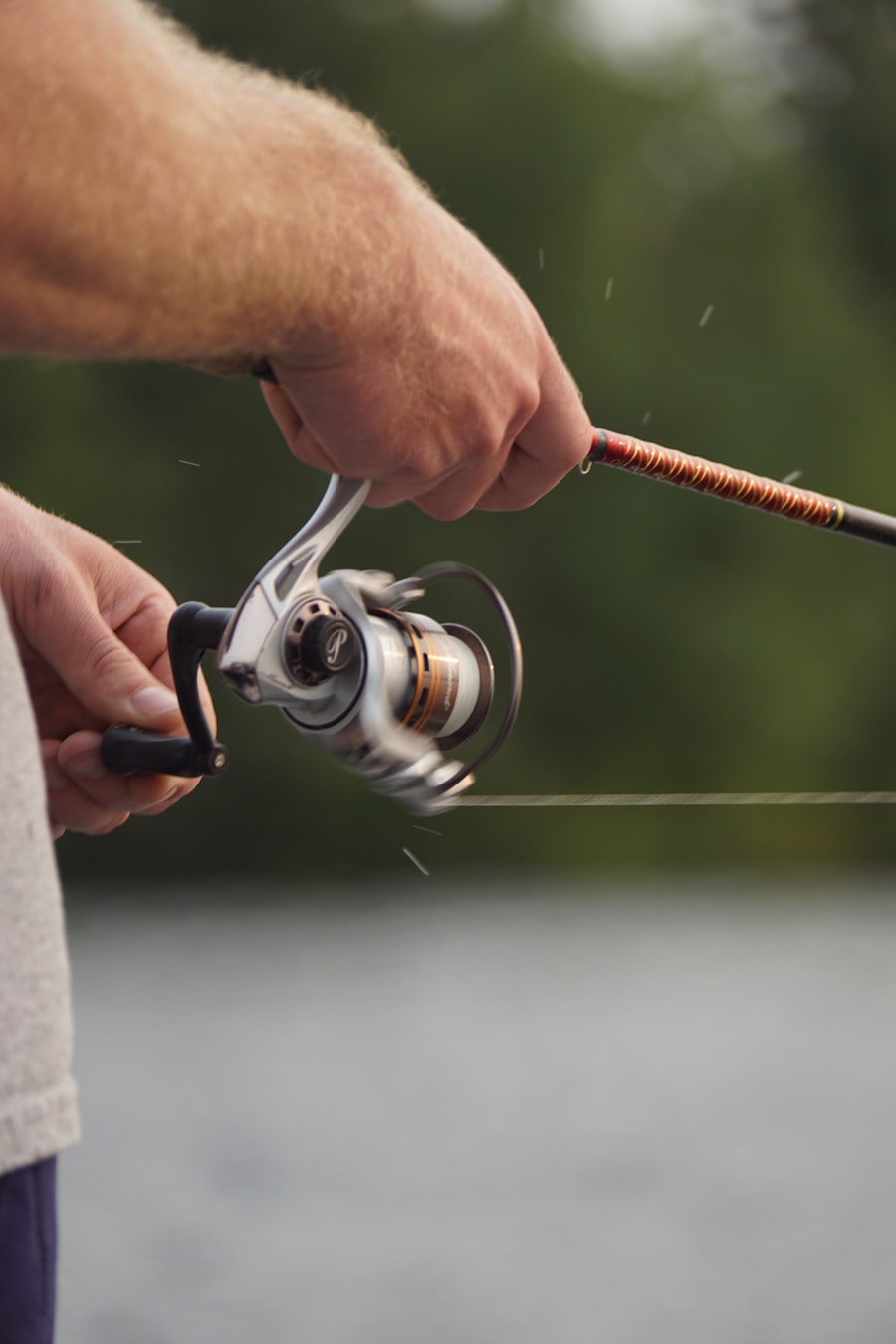

Fishing rods and reels are the fundamental tools of any angler, serving as the primary means of casting and retrieving bait or lures. The selection of a rod is influenced by various factors, including the type of fishing one intends to pursue, the species targeted, and personal preferences regarding length and action. For instance, a longer rod typically provides greater casting distance, which can be advantageous when fishing in expansive bodies of water.
Conversely, shorter rods offer increased control and precision, making them ideal for fishing in tight spaces such as rivers or dense vegetation. Reels come in several types, each designed for specific fishing techniques. Spinning reels are among the most popular due to their versatility and ease of use, making them suitable for both beginners and experienced anglers alike.
Baitcasting reels, on the other hand, provide greater accuracy and control, particularly when targeting larger fish species. Fly reels are specifically designed for fly fishing, allowing for the delicate presentation of artificial flies. Understanding the mechanics of each reel type is crucial; for example, baitcasting reels require a different casting technique compared to spinning reels, which can affect an angler’s success on the water. Check out this amazing bass lure at https://amzn.to/42i6HnE.
Lures and Baits
The choice between lures and baits is a critical decision that can significantly impact fishing success. Live bait, such as worms, minnows, or crickets, is often favored for its natural appeal to fish. The movement and scent of live bait can attract fish more effectively than artificial options in certain situations.
For example, using a lively minnow can entice predatory species like bass or pike, which are instinctively drawn to the erratic movements of their prey. However, live bait requires careful handling and storage to maintain its effectiveness, as well as knowledge of local regulations regarding the use of specific species. Artificial lures offer a wide range of options that can mimic the appearance and behavior of various prey species.
These lures come in numerous shapes, sizes, and colors, each designed to target specific fish species or conditions. For instance, crankbaits are designed to dive to specific depths and create vibrations that attract fish through sound and movement. Jigs are versatile lures that can be used in various environments and can be dressed with soft plastics or live bait to enhance their appeal.
The effectiveness of lures often depends on factors such as water clarity, temperature, and the time of year, necessitating a strategic approach to selecting the right lure for each fishing scenario.
Fishing Line
Fishing line is an essential component of any angler’s gear, serving as the connection between the rod and the fish. The choice of fishing line can greatly influence an angler’s success on the water. There are three primary types of fishing line: monofilament, fluorocarbon, and braided line.
Monofilament line is known for its stretchability and ease of use, making it a popular choice for beginners. It is also less expensive than other types but can be more visible in clear water conditions. Fluorocarbon line is virtually invisible underwater due to its refractive index being similar to that of water.
This characteristic makes it an excellent choice for clear water fishing where fish may be spooked by visible lines. Additionally, fluorocarbon is more resistant to abrasion than monofilament, making it suitable for fishing around rocks or heavy cover. Braided line offers high strength with a smaller diameter compared to monofilament or fluorocarbon.
This allows anglers to use lighter tackle while still having the strength needed to land larger fish. However, braided line has little stretch, which can lead to missed strikes if not managed properly.
Sun Protection
Spending long hours on the water exposes anglers to harmful ultraviolet (UV) rays from the sun. Therefore, sun protection is a critical consideration for anyone who enjoys fishing outdoors. Sunscreen is an essential item in any angler’s kit; it should be broad-spectrum with an SPF of at least 30 to provide adequate protection against both UVA and UVB rays.
It is important to apply sunscreen generously and reapply every two hours or more frequently if swimming or sweating. In addition to sunscreen, wearing protective clothing can significantly reduce sun exposure. Long-sleeved shirts made from lightweight, breathable fabrics with UPF (Ultraviolet Protection Factor) ratings offer excellent protection while keeping anglers cool.
Wide-brimmed hats are also beneficial; they provide shade for the face and neck while allowing for ventilation. Sunglasses with UV protection are another vital component of sun safety; they protect the eyes from glare and harmful rays while enhancing visibility on the water.
Polarized Sunglasses
Polarized sunglasses are an indispensable accessory for anglers, providing both protection from UV rays and enhanced visibility on the water. The polarized lenses work by filtering out horizontal light waves that create glare on the surface of the water. This glare can obscure visibility beneath the surface, making it difficult for anglers to spot fish or underwater structures.
By reducing glare, polarized sunglasses allow anglers to see into the water more clearly, improving their chances of locating fish. Different lens colors can also affect visibility in various conditions. For instance, gray lenses are ideal for bright sunny days as they reduce overall brightness without distorting colors.
Amber or brown lenses enhance contrast and depth perception in low-light conditions or overcast days. Additionally, some polarized sunglasses come with interchangeable lenses that allow anglers to adapt to changing light conditions throughout the day. Investing in a high-quality pair of polarized sunglasses not only enhances fishing success but also protects eye health during prolonged exposure to sunlight.
Tackle Box and Storage
A well-organized tackle box is essential for any angler looking to maximize efficiency on the water. Tackle boxes come in various sizes and configurations, allowing anglers to choose one that best suits their needs based on the type of fishing they do and the amount of gear they carry. A good tackle box should have compartments or trays that keep lures, baits, hooks, and other accessories neatly organized and easily accessible.
In addition to tackle boxes, proper storage solutions for fishing gear are crucial for maintaining equipment longevity. Rod holders or racks can help prevent damage to rods during transport or storage at home. Waterproof bags or containers are ideal for protecting sensitive items like electronics or documents from moisture damage while out on the water.
Furthermore, keeping a checklist of essential items ensures that nothing is forgotten before heading out for a day of fishing; this includes not only tackle but also safety equipment like life jackets and first aid kits. By understanding these fundamental aspects of fishing gear—from rods and reels to tackle storage—anglers can enhance their experience on the water and increase their chances of success in catching fish. Each component plays a vital role in creating a seamless fishing experience that allows individuals to connect with nature while honing their skills as anglers.