

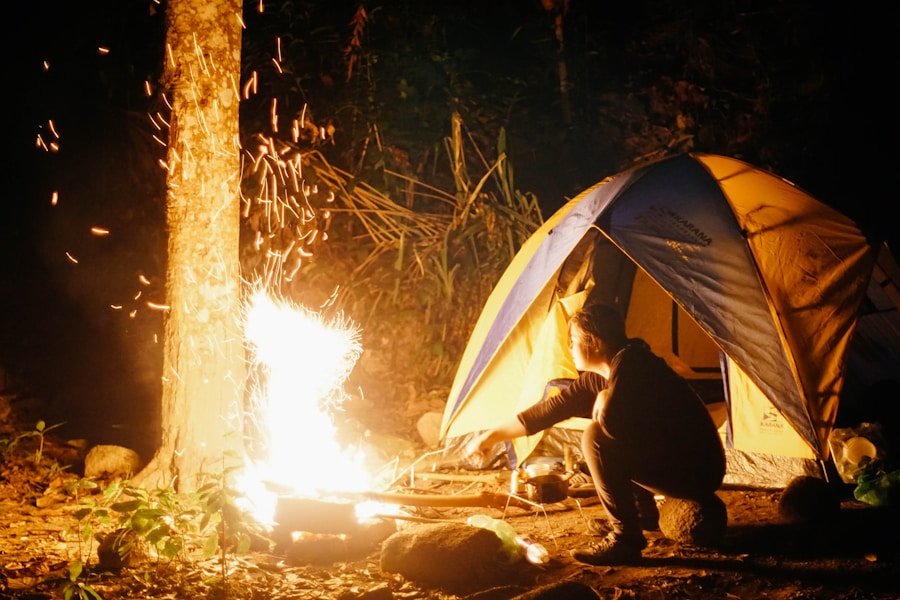

Have you ever felt the weight of the world lift from your shoulders with each step into the wilderness? Backpacking is not just an adventure; it’s a transformative experience that fosters mental well-being. As you trek through mesmerizing landscapes, the serenity of nature provides a profound therapeutic outlet. But what specifically makes backpacking essential for mental health? Can a few days on the trail really change your perspective on life?
In an age where anxiety and stress are prevalent, exploring the mental health benefits of backpacking becomes not just interesting but crucial. Strap on your backpack and get ready to uncover how this remarkable outdoor activity can lead you to greater peace of mind while sharing inspiring anecdotes from fellow enthusiasts and personal insights.
The Science Behind Nature and Mental Health
Emerging research illustrates a strong link between nature and enhanced mental well-being. Studies indicate that spending time outdoors reduces cortisol levels, the hormone commonly associated with stress, while also increasing endorphins—our body’s natural mood lifters.
Consider the story of Sarah, who struggled with anxiety for years. After her first solo backpacking trip, she reported a significant reduction in her anxiety levels. Surrounded by the towering pines and listening to the bubbling streams, she realized that nature was capable of coaxing her out of her worries. Each hike became a reminder that peace is often found just beyond the everyday chaos.
How Backpacking Promotes Mindfulness
The act of backpacking itself encourages mindfulness, which cultivates awareness of the present moment. When you’re out in the wild, focusing on the rhythm of your breath and the terrain beneath your feet, there’s less room for intrusive thoughts.
In my own experience, during a challenging hike up a rugged mountain, my mind rose and fell with each step. Every breath brought clarity, and I could almost feel my worries crumbling like the rocky path underfoot. This journey taught me that when you immerse yourself in nature, you become part of a larger tapestry, weaving a sense of belonging and purpose.
Emotional Recovery Through Solitude
Backpacking offers a unique opportunity for solitude, allowing for emotional recovery and self-reflection. There’s something profound about being alone in nature—your thoughts can roam freely, your emotions can settle, and clarity can emerge.
Take the story of Mike, who sought refuge on a three-day solo backpacking trip after a tough breakup. Those nights under the stars by the campfire allowed him to confront his feelings without distractions. The soothing sounds of the forest became his sounding board, and by the end of the trip, he felt renewed, ready to face the world with a fresh perspective.
Building Resilience and Self-Esteem
Every challenge encountered on the trail—from navigating difficult paths to setting up camp in the dark—builds resilience. Overcoming these hurdles not only boosts self-esteem but also instills a sense of achievement.
During a recent group hike, a sudden rainstorm forced us to make quick decisions about our route. I vividly remember feeling a surge of confidence as our group worked together, adapting and finding shelter. This experience reinforced the notion that challenges can be conquered—not only in the wild but in life as well.
Enhancing Social Connections
While backpacking can be a solitary endeavor, it often fosters deep connections among fellow hikers. Sharing experiences, laughter, and even burdens can create lasting bonds.
Consider the story of Jenna and her companions on a multi-day trek. The shared struggle brought them closer, leading to friendships that survived long after the dirt on their boots had been washed away. Laughter around the campfire became therapy, proving that camaraderie in the face of adversity is a powerful mood enhancer.
Key Gear for a Peaceful Backpacking Experience
To fully appreciate the mental health benefits of backpacking, having the right equipment can make a significant difference. Here are essential gear items to consider:
-
Comfortable Backpack: A well-fitted backpack is crucial. It should be lightweight yet spacious enough to hold essentials.
-
Quality Sleeping Bag: A comfortable sleeping bag can ensure you enjoy restful nights, enhancing your overall experience.
-
Hydration System: Staying hydrated is vital for both physical and mental clarity. Invest in a good hydration pack.
-
First Aid Kit: Safety is paramount. Having a compact first aid kit provides peace of mind.
-
Trail Map or GPS: Being prepared with navigation tools can alleviate worries about getting lost.
Wrap-Up: Embrace Your Next Adventure
The mental health benefits of backpacking are vast and varied, ranging from emotional recovery to the cultivation of resilience. Each adventure you embark on can be a journey toward self-discovery and peace.
So, whether you’re a veteran hiker or a novice ready to take your first steps, remember that every trail has stories to share, and every summit holds potential for healing. Gear up and step outside; peace is waiting for you beyond the beaten path.
Reader Questions Answered
What should I pack for my first backpacking trip?
For your first backpacking venture, pack essentials such as a comfortable backpack, a quality sleeping bag, enough food (consider lightweight options like dehydrated meals), a first aid kit, and navigation tools. Don’t forget to bring layers for varying weather conditions!
How can I ensure safety while backpacking alone?
To stay safe while backpacking solo, always inform someone about your plans, carry a reliable map or GPS device, stay on marked trails, and keep a first aid kit handy. Trust your instincts; if something feels off, it’s better to turn back.
Can anyone enjoy the mental health benefits of backpacking?
Absolutely! While physical fitness can play a role in longer treks, the mental health benefits of being in nature can be enjoyed by anyone. Start small with easy trails to build confidence and gradually increase your hiking duration.
FAQs
Is backpacking suitable for beginners?
Yes, many trails are designated as beginner-friendly. Start with shorter hikes, plan your route carefully, and ensure you have the right gear.
How long should a backpacking trip be for mental health benefits?
Even a single overnight trip can significantly boost your mental well-being. However, spending multiple days allows for deeper relaxation and self-reflection.
What if I can’t hike long distances?
There are many beautiful, accessible trails designed for short walks that still offer profound mental health benefits. Choose trails that suit your physical ability and enjoy the experience at your own pace.
Embarking on your next backpacking journey could be the key to unlocking newfound peace and mental clarity. Don’t hesitate; the wilderness is waiting for you!