

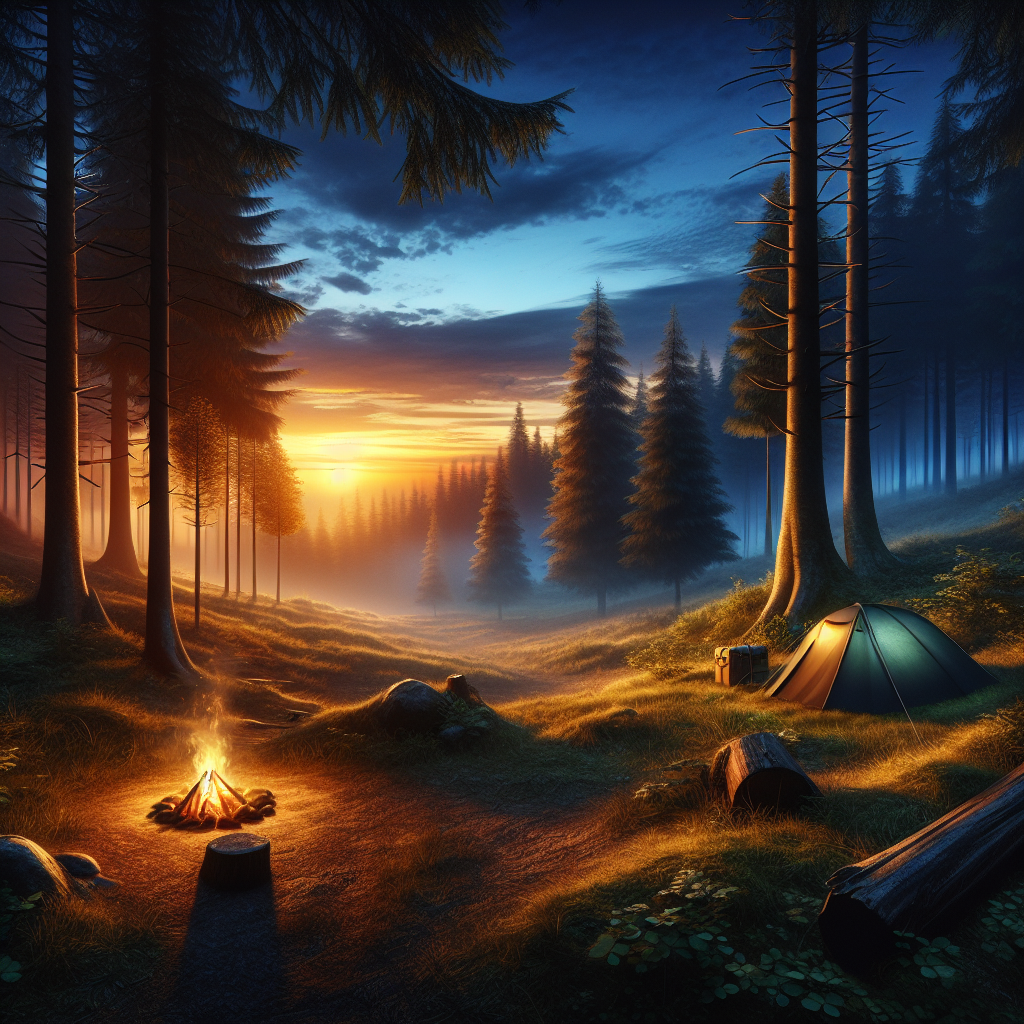

There’s a place where the cacophony of daily life fades into the whispering winds and rustling leaves—a sanctuary where time feels like a distant memory. Wilderness camping offers not just an escape from the hustle and bustle, but a profound opportunity to nurture your mental well-being. Imagine waking up to the chirping of birds instead of blaring alarms, or letting the free-flowing river wash away the stresses of your week. How might this profound solitude impact your mental health?
Outdoor enthusiasts from all walks of life have experienced the powerful benefits of immersing themselves in nature. Through this blog post, we’ll delve deep into how wilderness camping can recharge your mental health, offering valuable insights and personal stories that illustrate the enchanting allure of the outdoors.
The Mental Health Benefits of Wilderness Camping
A Return to Nature
Nature has a remarkable ability to soothe the mind. Research shows that spending time in natural surroundings can lower cortisol levels, reduce anxiety, and improve overall mood. One summer, during a particularly stressful period at work, I decided to go camping alone in the majestic San Juan Mountains. The moment I set foot on the soft earth, a wave of tranquility washed over me. As I hiked through the sprawling aspens, I could feel my worries unraveling, each step grounding me closer to serenity.
Disconnecting to Reconnect
In our hyper-connected world, intentionally stepping away from screens and notifications can be transformative. Wilderness camping encourages you to disconnect from technology and reconnect with yourself. With no Wi-Fi and minimal distractions, you can immerse in your surroundings.
I recall a chilly evening by the campfire, the stars twinkling above me like scattered diamonds. I had brought a journal with me, and under the mesmerizing night sky, I found clarity in my thoughts. I poured out worries and dreams alike, feeling an emotional weight lift as I wrote. This simple act helped me realize the necessity of prioritizing quiet moments in life.
Planning Your Wilderness Adventure
Essential Gear for Mental Clarity
Embarking on your wilderness camping journey requires careful planning and the right gear. Here’s a checklist of items that will enhance your solitary adventure and keep your mind focused:
- Tent: A reliable and comfortable shelter provides you with a cozy retreat.
- Sleeping Bag: Opt for one suitable for the weather conditions to ensure a good night’s sleep.
- Cooking Gear: Camp stoves or portable grills can facilitate nourishing meals, adding comfort to your experience.
- Safety Essentials: First-aid kits, water purifiers, and navigation tools are crucial for peace of mind.
One of my most memorable trips involved a last-minute packing dilemma. I rushed to find my flashlight, unsure of what else I might forget. What I learned during that trip was how crucial it is to stay organized; preparation allows you to focus on the mindfulness that wilderness camping offers.
Finding Solitude in Wilderness Camping
Building Mindfulness and Presence
Wilderness camping helps cultivate mindfulness as you become fully present in the moment. Take time to observe the intricate details around you—from the patterns on a leaf to the mesmerizing movement of the clouds.
On one outing, I dedicated my last day to simply sitting on the banks of a serene lake. The reflections rippled with each breeze, teaching me the beauty of stillness. There was no deadline, no rushing back to civilization; just sheer appreciation for being in the now.
The Community of Solitude: Campfire Connections
Making Friends with Fellow Adventurers
Even in solitude, there’s community. Often, you’ll find yourself among fellow adventurers who share your passion for the outdoors. Campfire evenings can be filled with shared stories, laughter, and a sense of connection that bolsters mental health.
A few years ago, I attended a group camping trip where strangers quickly became friends under the stars. We exchanged stories of our greatest fears and accomplishments, and I found comfort in knowing that others, too, sought solace in nature. Those connections kept me grounded during uncertain times long after we parted ways.
Overcoming Mental Challenges in the Wilderness
Dealing with Fear and Anxiety
Wilderness camping can also confront your fears. Whether it’s being alone in the wilderness or the unpredictability of nature, addressing these challenges can lead to personal growth.
During one solo hike, I found myself in a sudden downpour, my heart racing as I scrambled for cover. In that chaotic moment, I learned to breathe through my fear and find calm in the storm. The wilderness became my teacher, and I emerged stronger and more resilient.
Wrap-Up: Key Takeaways for Your Mental Well-being
Wilderness camping offers a refuge for mental clarity, emotional healing, and self-discovery. From the grounding effect of nature to the empowerment of conquering fears, each experience enriches your understanding of both the environment and yourself. I encourage every outdoor enthusiast to venture into the wild for their mental well-being. Embrace the solitude, learn to appreciate the silence, and let nature guide you towards a healthier state of mind.
Reader Questions Answered
-
What are the benefits of wilderness camping for mental health?
Wilderness camping reduces stress, enhances mood, and fosters mindfulness through immersion in nature, allowing for personal growth and emotional healing. -
How can I prepare for a solo wilderness camping trip?
Bring essential gear like a tent, sleeping bag, cooking equipment, and safety items. Make an itinerary, ensure you have a reliable map, and be mindful of the area’s wildlife. -
Is it safe to camp alone in the wilderness?
Yes, but safety precautions are crucial. Inform someone of your plans, follow safety guidelines, and stay aware of your surroundings. -
How do I practice mindfulness while camping?
Slow down your pace and engage your senses. Observe your surroundings, whether it’s the sound of rustling leaves or the warmth of sunlight, and focus on being present. -
Can I go wilderness camping even if I’m a beginner?
Absolutely! Start with established campgrounds and plan easy hikes. Research your destinations and consider joining a group for your first experience.
FAQs
-
What gear is essential for wilderness camping?
Essential gear includes a tent, sleeping bag, cooking equipment, first-aid kits, and water purification systems. -
How should I pack for a wilderness camping trip?
Create a checklist, prioritize lightweight items, and organize your gear in waterproof bags. -
What are some common mental health challenges when camping?
Challenges may include fear of isolation, anxiety about wildlife, and discomfort with the unfamiliar environment.
By merging the wonders of nature with a focus on mental wellness, wilderness camping stands as not only a thrilling adventure but also a vital practice for those seeking to restore their spirit and clarity. As you plan your next journey, remember to embrace the solitude and let the wilderness guide you toward tranquility.