
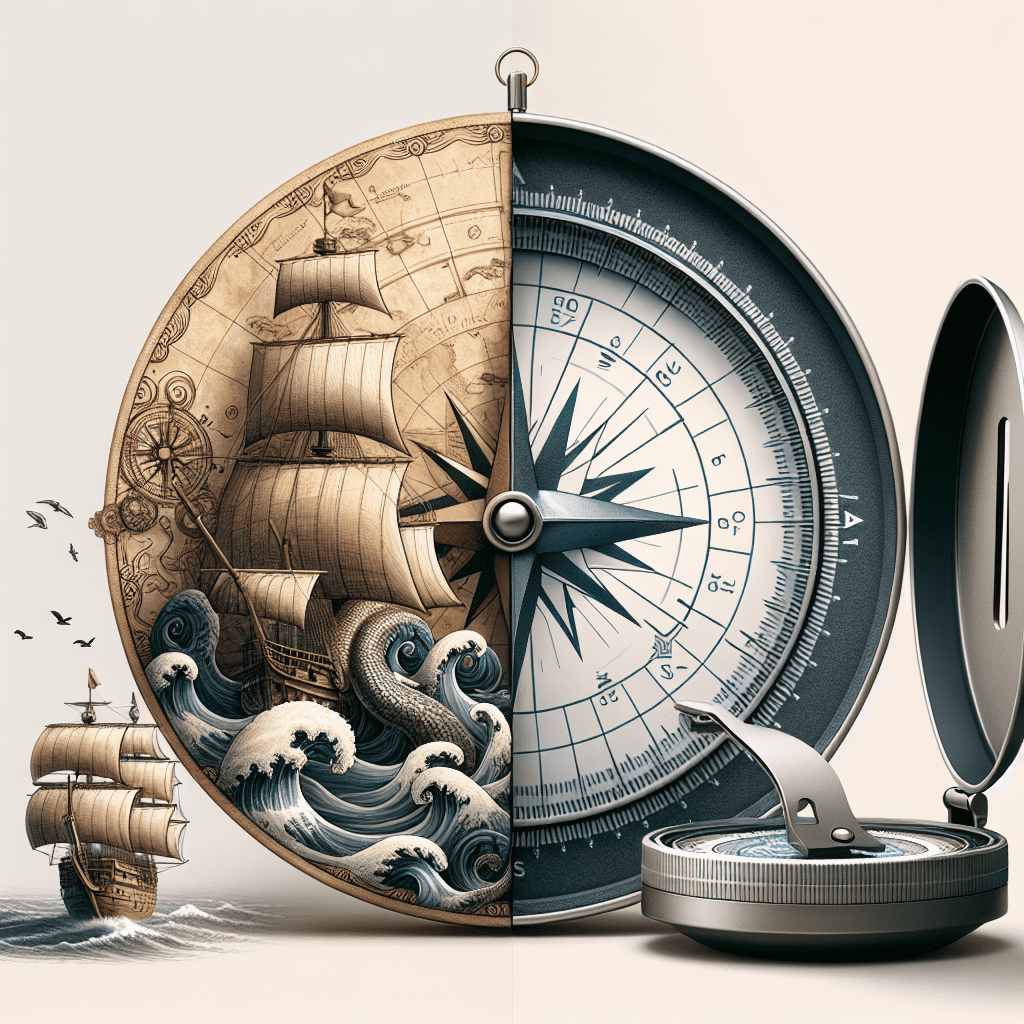

Embarking on an outdoor adventure without the ability to read a map can be a daunting experience. Whether you’re navigating the rugged terrain of a national park or traversing a serene trail, mastering map reading skills is vital for ensuring your safety and enhancing your exploration. In this guide, we’ll delve into the rich world of cartography and compass reading, offering educational insights, personal anecdotes, and practical advice geared towards beginners.
The Importance of Map Reading in Outdoor Adventures
Map reading is more than just understanding lines and symbols; it’s about connecting to the land. Each map carries a story, a history etched onto paper that can lead you to undiscovered trails and breathtaking vistas. Understanding your environment and enhancing your navigational skills is crucial, especially when technology fails us.
During a hike in the rugged Appalachian Trail, I once lost phone service, and my GPS map became useless. Armed with just a physical map and a compass, I was suddenly reminded of the importance of foundational navigation skills. It was a humbling experience, yet filled with the thrill of discovery as I navigated my way to a hidden waterfall, a moment that turned a potential setback into one of my most memorable outdoor experiences.
Understanding Maps: The Basics
To start, it’s essential to become familiar with the anatomy of a map. Here are the fundamental components that every outdoor enthusiast should know:
Types of Maps
- Topographic Maps: Show elevation changes and landforms using contour lines, making them invaluable for hiking and camping.
- Trail Maps: These maps focus on designated trails and routes, often indicating points of interest like campsites and water sources.
- Road Maps: Useful for driving to trailheads, these maps highlight highways and forest roads.
Scale and Legend
Understanding map scale is crucial: it informs you about the distance between points. A scale of 1:24,000 means that one inch on the map equals 24,000 inches in real life. Using the legend, familiarize yourself with symbols representing various land features.
Practical Exercise
Take an afternoon to practice with a topographic map of a local area. Measure distances between landmarks and calculate estimated travel times. A real-world application can significantly enhance your understanding.
A Hands-On Introduction to Compass Navigation
While maps provide visual guidance, a compass directs your way. Knowing how to use one is essential for any outdoor enthusiast. Here’s a straightforward breakdown:
Types of Compasses
- Baseplate Compasses: Ideal for navigation since they allow for easy map reading.
- Lensatic Compasses: Often used by the military, they’re precise but can be more challenging to master.
Reading a Compass
- Identify North: With the compass flat in your palm, turn your body until the needle aligns with the north on the compass dial.
- Taking a Bearing: Determine your direction by rotating the compass housing while keeping the needle aligned with the north.
Anecdote: The Lost Hiker
During a solo trek across the Glacier National Park, I encountered a fellow hiker who was utterly lost. He relied solely on digital maps and had overlooked the importance of a compass. I guided him using my compass, allowing us to safely navigate a return route. This experience underscored the vital role of traditional navigation tools.
The Best Practices for Map and Compass Use
Pre-Trip Planning
- Route Planning: Before you set foot on the trail, plot your route using a local topographic map. Identify critical points, including water sources and potential hazards.
- Weather Assessment: Always check the weather conditions. Heavy rain or snow can dramatically alter your route and visibility.
On the Trail
- Regular Check-ins: Periodically, take out your map and compass to ensure you’re on track. Nature can often lead you astray, especially in densely wooded areas.
- Landmarks: Familiarize yourself with prominent landmarks—these can serve as navigational aids, making it easier to gauge your progress.
Common Mistakes and How to Avoid Them
Navigating through the wilderness can often test your judgment. Here are several pitfalls to avoid:
- Ignoring the Map: Some rely too heavily on tech, forgetting that maps and compasses can act as critical backups.
- Failure to Update Skills: Regularly practice your navigation skills to ensure you’re prepared when heading out.
Reflecting on my own experiences, there have been times when I relied solely on digital devices. I often found myself scrambling to regain my bearings when technology failed. Learning to adapt and troubleshoot has saved me countless times.
Key Takeaways
Being adept at reading maps and using a compass adds a valuable dimension to your outdoor experience. Not only does it keep you safe, but it also fosters a deeper connection to the landscapes you explore. So, head out—armed with your map and compass—and embrace the adventure that awaits. Remember, every journey on the trail is an opportunity to cultivate your skills and discover something new about yourself and the world around you.
Reader Questions Answered
Q1: How do I choose the right map for hiking?
A: Opt for topographic maps for detailed terrain information. Local trail maps are excellent for specific routes, while road maps help in reaching trailheads.
Q2: What should I do if I get lost?
A: Stay calm, retrace your steps if possible, and use your map and compass to find your way. Avoid wandering further.
Q3: How often should I update my navigation skills?
A: Regular practice is key! Consider reviewing skills once a season, especially before major hikes.
FAQs
Q1: Can I rely on GPS instead of a map?
A: While GPS is useful, it can fail due to lost signals or dead batteries. Always have a map and compass as a backup.
Q2: What are essential items I should carry for navigation?
A: A durable map of the area, a compass, a field guide, and a notepad for notes are essential.
Q3: How can I improve my map reading skills?
A: Regular practice, studying various map types, and joining navigation workshops can significantly improve your skills.
By mastering the essentials of map reading and compass use, you’ll not only enhance your outdoor adventures but also enjoy the wild landscapes with confidence and curiosity. Happy navigating!