

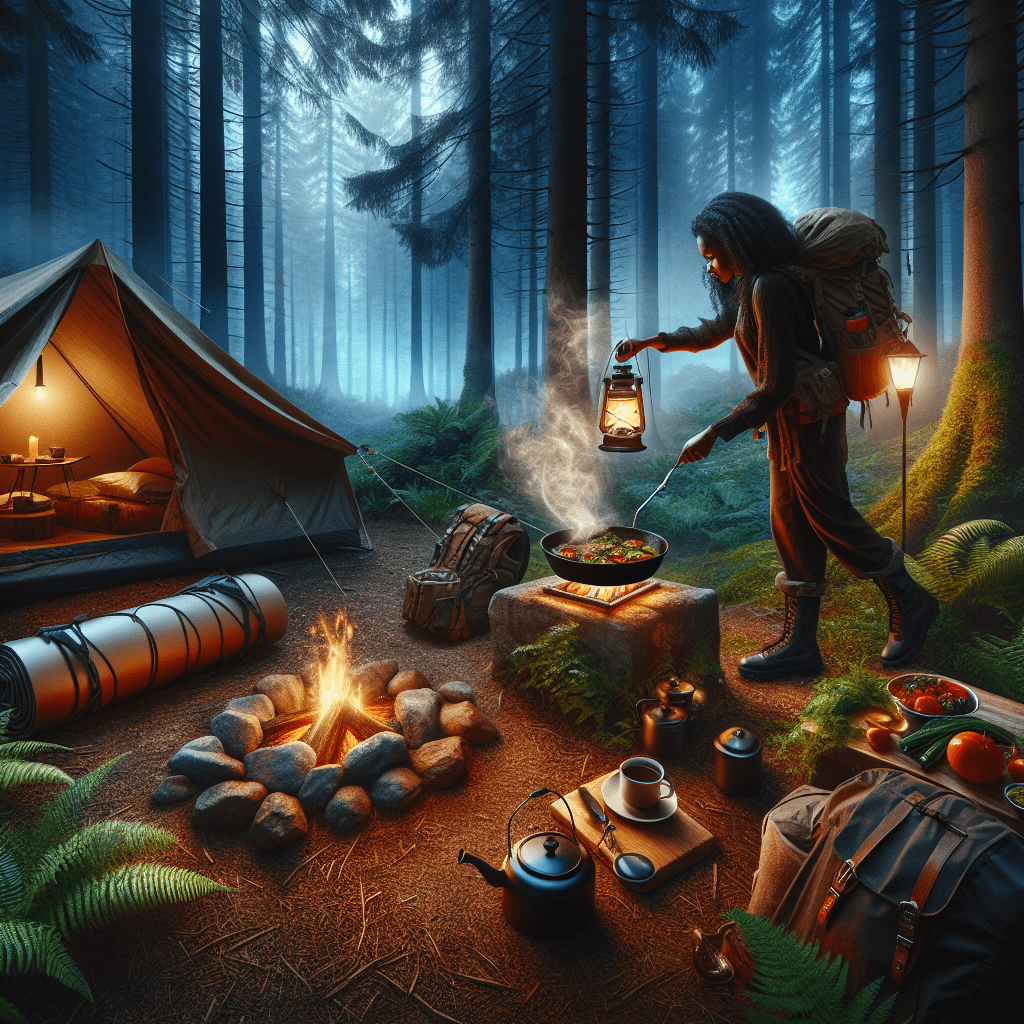

Ah, wilderness camping—the aroma of pine trees, the crackle of a campfire, and the breathtaking beauty of the great outdoors. But what if you could take this wanderlust adventure a step further? What if your camping experience didn’t just rely on brilliant landscapes and starry skies but also on the gear you bring and the gourmet meals you create? Wilderness camping can be both thrilling and fulfilling when done right, turning your outdoor getaway into a culinary expedition that lingers in your memory long after you’ve returned home.
Why should this matter to you? Imagine feasting on a warm, homemade meal under a sky filled with stars after a day of hiking through verdant forests. This blog will blend practical tips with personal anecdotes, serving as your guide to maximizing your wilderness camping experience—from the essential gear you’ll need to elevate your cooking.
Choosing the Right Gear: A Strong Foundation
The success of any wilderness camping trip begins with the right gear. It’s not just about what you pack—it’s about how you pack it.
When I first embarked on my camping adventures, I made the amateur mistake of underestimating the importance of quality gear. My cheap tent struggled against a surprise rainstorm, and my unreliable cooking equipment left me eating cold beans straight out of a can. It was an experience I won’t soon forget, but not for the reasons I’d hoped.
Essential Camping Gear for Culinary Adventures
-
Tent & Sleeping Gear: Invest in a waterproof tent with a solid rainfly. A comfortable sleeping bag that suits the season can mean the difference between a restful night under the stars and a grim hiking experience come morning.
-
Cooking Equipment: Choose a lightweight portable stove. A multi-functional tool or camping kitchen kit makes cooking a breeze and minimizes the gear you need to carry.
-
Food Storage Solutions: Opt for airtight containers and bear-proof bags if you’re camping in bear country. It protects your food and helps prevent unwanted animal encounters.
Having good-quality gear not only enhances safety and comfort but also sets the stage for savory meals to complement your outdoor experience.
Elevating Your Culinary Skills: Cooking in the Wild
Camping doesn’t have to mean sacrificing good food. As I learned through trial and error, you don’t need a professional kitchen to whip up something delicious; you just need a bit of preparation and creativity.
Pre-Planning Meals
Meal planning should be a cornerstone of your wilderness preparation. I distinctly remember my first attempt at meal prep—a mad scramble at the last minute left me with a mishmash of snacks like trail mix and questionable packaged foods. This chaotic situation taught me that planning is essential for enjoyment.
-
Choose Easy-to-Cook Recipes: Select dishes that require minimal ingredients and can be prepared without complex cooking techniques. Think foil-pack meals, oatmeal, or dehydrated soups.
-
Prep Ingredients Ahead of Time: Pre-cut veggies, marinate proteins, or assemble dry meal kits for easy packing. Store them in resealable bags to maintain freshness.
-
Gourmet Touches: Don’t shy away from spices and condiments. A simple drizzle of olive oil, or a sprinkle of fresh herbs can elevate your meals dramatically.
Cooking Techniques: From Campfire to Cookware
Understanding various cooking methods can elevate your camping recipes. While my first camping trip saw me confined to a rudimentary stove, I eventually experimented with fire cooking and discovered new flavors.
Utilizing a Campfire
There’s something magical about cooking over a campfire, reminiscent of ancient traditions. Here’s what I learned:
-
Direct Cooking: Simple skewers or grilling nets can make for deliciously charred vegetables and meats. I remember the first time I roasted marshmallows for s’mores—I didn’t just satisfy my sweet tooth; it enchanted the soul.
-
Dutch Oven Cooking: An adventure I had in the Rockies introduced me to Dutch oven meals. Soups, stews, and even bread can cook to perfection, drawing out rich flavors while you soak in the sights and sounds of nature.
Food Safety in the Wilderness
While enjoying gourmet meals in the wild is fulfilling, adhering to food safety practices is vital for your well-being.
Keeping Food Fresh and Safe
I once was sidelined by food poisoning during a camping trip after failing to keep my perishables cool. Learn from my mistake:
-
Temperature Control: Use insulated coolers and ice packs effectively. Place perishables at the bottom, where they stay cooler longer.
-
Cross-Contamination Prevention: Bring separate cutting boards and utensils for raw and cooked foods. It’s a small step that pays off big in terms of safety.
Wrap-Up: Your Wilderness Adventure Awaits
Packing the right gear and planning your meals can transform your wilderness camping experience from mundane to memorable. No longer is it just about surviving in nature; it’s about savoring your time there. From my tangible experiences to essential tips, nurturing your adventurous spirit can turn every wilderness trip into a gourmet adventure worth remembering.
Reader Questions Answered
Q1: What should I bring for cooking during wilderness camping?
To enhance your culinary experience, consider bringing a lightweight stove, cookware, cutting tools, and pre-measured food items for easy meal prep.
Q2: How do I choose the right recipes for camping?
Opt for recipes that require minimal cooking time and ingredients. Foil packets, stews, and one-pot meals work exceptionally well.
Q3: What are some tips for food safety in the wilderness?
Keep perishables in an insulated cooler, avoid cross-contamination by separating raw and cooked foods, and cook foods to their recommended temperatures.
FAQs
Q: Can I cook over a campfire?
Absolutely! Cooking over a campfire adds flavor and warmth to your meals. Just ensure you’re in an allowed area and follow local fire guidelines.
Q: What snacks are best for hiking?
Nuts, granola bars, and dried fruits are excellent choices as they are lightweight, nutritious, and provide quick energy.
Q: Is it necessary to plan meals before camping?
Yes! Planning helps you pack efficiently and ensures you have all the ingredients you need for enjoyable, balanced meals during your trip.
Armed with these insights and practical advice, your next wilderness camping trip can transform into an extraordinary adventure filled with flavor, fun, and lasting memories. So gather your gear, plan those meals, and prepare to elevate your wilderness camping experience!