

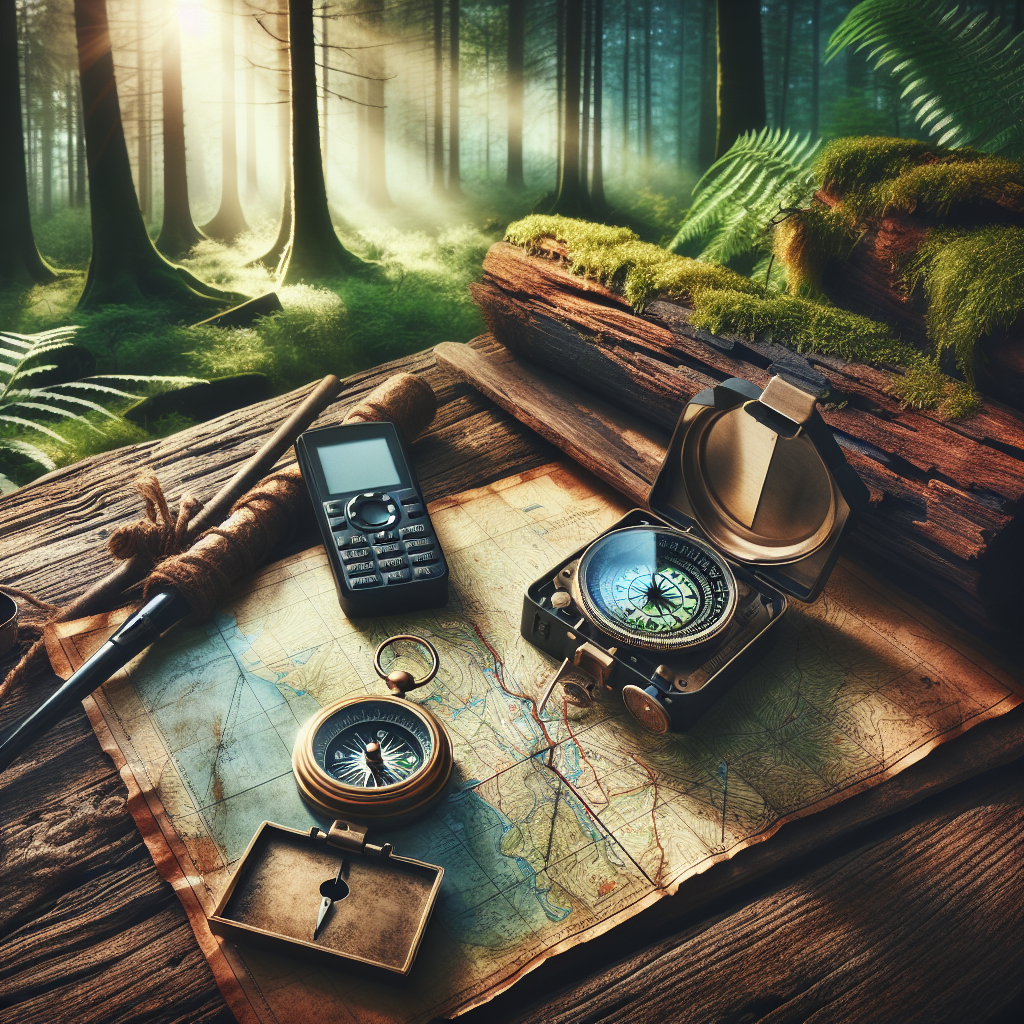

When you step into the wild, the world transforms into a landscape of adventure and uncertainty. As an outdoor enthusiast, you become part of this stark beauty—but with it comes the challenge of navigating unfamiliar territories. Whether hiking up a rugged mountain trail or meandering through dense forests, understanding the tools for wilderness navigation is essential. In this guide, we’ll explore everything from GPS devices to trusty compasses, offering vital insights and personal tales that emphasize the importance of these skills.
The Importance of Wilderness Navigation
In the golden light of dawn, I found myself standing at the edge of a sprawling wilderness, armed only with my will to explore. My excitement, however, was quickly overshadowed by the creeping realization that I had forgotten my compass. That day taught me a valuable lesson about preparedness and the importance of navigation tools. Every outdoor adventurer should know how to navigate, but it’s not just about getting from point A to B—it’s about safety, confidence, and the thrill of discovery.
Understanding Navigation Tools
As we delve into wilderness navigation, let’s break down the essential tools: GPS devices and compasses. Each serves a unique purpose, and knowing how to use them can significantly enhance your outdoor experience.
GPS: The Digital Navigator
GPS (Global Positioning System) technology has revolutionized outdoor exploration. These devices provide real-time location tracking, route planning, and information about nearby trails, landmarks, and even topography.
Benefits of Using a GPS
- Accuracy: GPS devices offer precise location data, ensuring you know exactly where you are.
- User-Friendly: Many modern GPS devices come with intuitive interfaces, making them accessible for beginners.
- Waypoints & Trails: You can save locations and routes for future exploration.
Anecdote: A Day in the Wild
On a solo hiking trip, I relied heavily on my GPS to navigate a remote mountain range. As I reached a crucial juncture, the device guided me to avoid a treacherous ravine that I had not anticipated. It was a stark reminder of how technology can complement our instincts in the wild.
Using a Compass: The Timeless Classic
Despite the technological advancements, a compass remains a fundamental tool in wilderness navigation. It provides direction and can help you orient yourself on a map.
How to Read a Compass
- Understand the Parts: Familiarize yourself with the compass’s components—base plate, needle, housing, and degree markings.
- Determine Direction: Hold the compass flat in your hand, ensuring it’s level. Rotate your body until the needle aligns with the north on the compass housing.
- Take a Bearing: To find your direction, turn the housing until the desired bearing aligns with the north needle. Follow that direction!
Anecdote: Lost but Found
On a backpacking trip through the Ozarks, I faced a dense thicket that obscured my view of familiar landmarks. Utilizing my compass, I took a bearing based on the map’s contour lines. A few minutes later, I emerged from the brush and was greeted by a breathtaking vista. It was a proud moment, affirming the compass’s enduring importance.
How to Choose the Right Navigation Tool
Deciding between a GPS device and a compass—or opting for both—depends on your needs and the nature of your adventure.
Factors to Consider
- Type of Adventure: Are you on a day hike or an extended backcountry expedition?
- Experience Level: Beginners might favor GPS, while seasoned hikers may prefer the traditional feel of a compass.
- Environment: Some terrains may lose GPS signal. In such cases, a compass is indispensable.
Best Practices for Navigation
Equipping yourself with navigation tools is crucial, but knowing how to use them effectively can make all the difference.
Common Mistakes to Avoid
- Over-Reliance on Technology: Always have a backup method, like a compass, especially in areas with poor satellite reception.
- Ignoring Battery Life: Ensure your GPS is fully charged before heading out, and bring extra batteries if necessary.
- Not Understanding Your Tools: Familiarize yourself with both GPS and compass functions beforehand; practice makes perfect!
Anecdote: A Lesson in Preparation
On a camping trip, I watched a friend struggle with a GPS whose battery died halfway through the hike. His panic was palpable as we hovered around the map, but thankfully I was confident using my compass. That experience reinforced the importance of preparation and understanding multiple navigation systems.
Key Takeaways: Navigating the Wilderness
To navigate the great outdoors is to open doors to undiscovered landscapes, wildlife encounters, and personal achievements. Always remember:
- Equip yourself with multiple navigation tools—GPS and compass.
- Practice using these tools before your adventure.
- Stay aware of your surroundings and be prepared for unexpected situations.
Reader Questions Answered
What is more reliable, a GPS or a compass?
While both tools have their merits, a compass is often viewed as more reliable in rugged terrains where GPS signal may fail. It’s a good idea to know how to use both.
How can I improve my navigation skills?
Practice regularly! Go on hikes in unfamiliar areas and use your maps and navigation tools. Join local outdoor clubs, where you can gain experience and learn from fellow enthusiasts.
Is it necessary to carry both a GPS and a compass?
Yes, it’s advisable! Each has unique advantages, and carrying both can provide a safety net in case one fails or is unable to function.
FAQs
Can I rely solely on my smartphone for navigation?
While smartphones can be beneficial, battery life and signal issues can be problematic in the wilderness. Always have a backup navigation tool like a GPS or compass.
What should I include in my navigation kit?
Include a topographic map, a compass, a GPS device, extra batteries, and a notepad for notes or waypoints.
How often should I practice these navigation skills?
Aim to practice your skills every few months. Try different terrains and scenarios to build your confidence and competence.
In closing, understanding how to navigate the wilderness isn’t just about choosing the right tools—it’s about cultivating a relationship with the great outdoors and ensuring your safety and enjoyment. Armed with knowledge and experience, you’ll embark on adventures that are both thrilling and enriching. Now, venture out, explore, and navigate with confidence!