

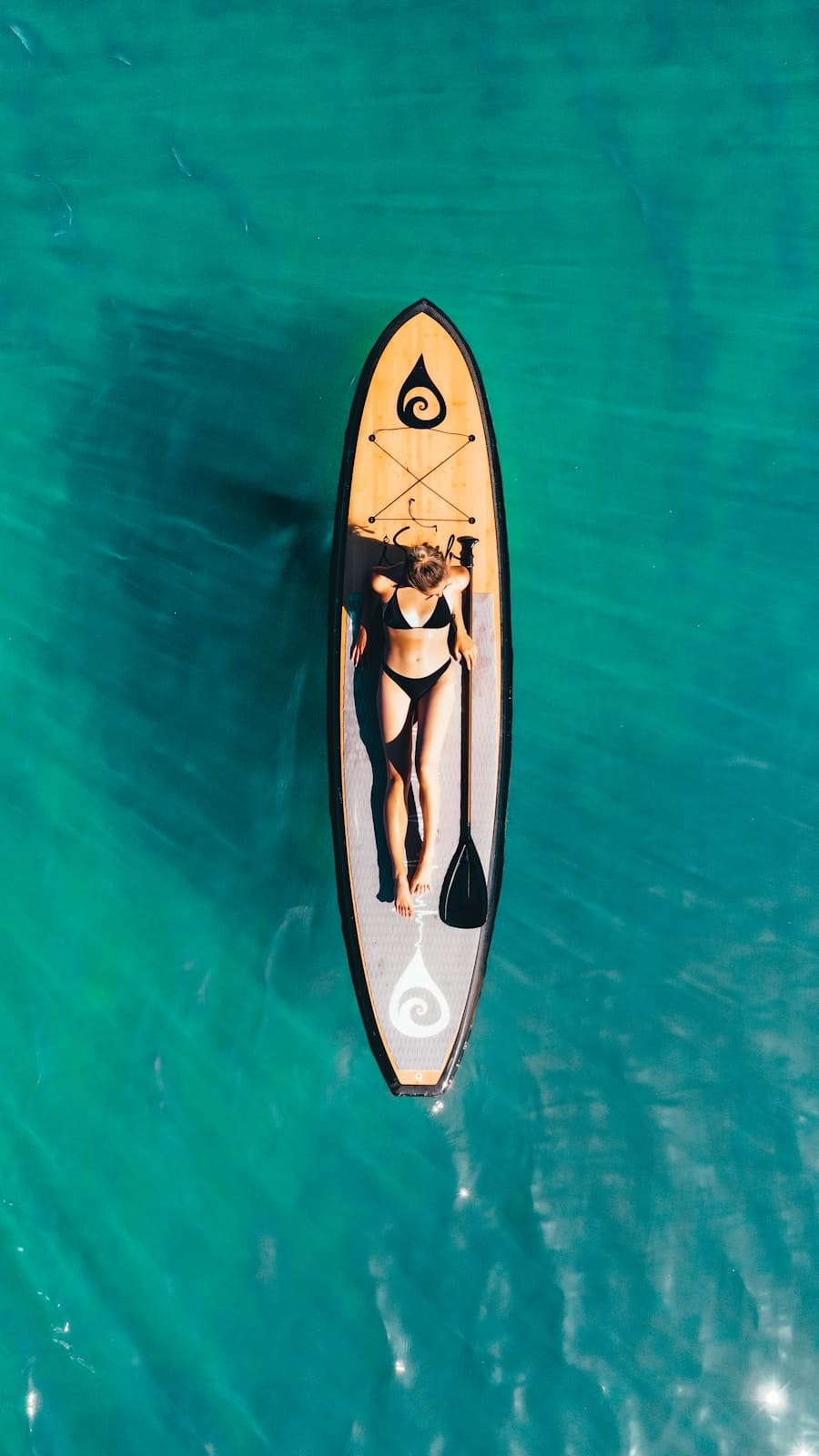

When it comes to water sports, kayaks, canoes, and paddleboards each offer unique experiences that cater to different preferences and skill levels. Kayaks are typically enclosed vessels designed for one or two paddlers, allowing for swift navigation through various water conditions. They are ideal for those seeking speed and agility, making them a popular choice for both recreational paddling and competitive racing.
Canoes, on the other hand, are open boats that can accommodate multiple passengers, making them perfect for family outings or group adventures. Their stability and spaciousness allow for leisurely exploration of calm lakes and rivers. Paddleboards, or stand-up paddleboards (SUPs), have surged in popularity in recent years.
These boards provide a different experience altogether, as they require the user to stand while paddling. This activity not only offers a full-body workout but also allows for a unique vantage point to observe the surrounding environment. Each of these watercrafts has its own set of advantages and challenges, making it essential for enthusiasts to understand their differences before making a choice. I always make sure to have proper safety equipment, such as life jackets, when going out on the water.
Key Takeaways
- Kayaks are small, narrow boats with a covered deck, canoes are open boats with pointed ends, and paddleboards are large boards that users stand on and propel with a paddle.
- When choosing a kayak, consider factors such as the type of water you’ll be paddling in, your skill level, and the kayak’s size, weight, and storage options.
- When buying a canoe, look for factors such as the canoe’s intended use, material, size, weight, and seating capacity.
- When selecting a paddleboard, consider factors such as the board’s size, shape, volume, weight capacity, and construction material.
- Essential gear and accessories for water adventures include life jackets, paddles, dry bags, safety whistles, and navigation tools.
Factors to Consider When Choosing a Kayak
Selecting the right kayak involves several critical factors that can significantly impact the paddling experience. First and foremost, potential buyers should consider the type of water they plan to navigate. For instance, recreational kayaks are designed for calm waters, while touring kayaks are built for longer distances and rougher conditions.
Additionally, the material of the kayak plays a crucial role in its performance; options range from lightweight plastic to durable fiberglass and even inflatable models. Another important consideration is the kayak’s size and weight capacity. A longer kayak typically offers better speed and tracking, while shorter models provide increased maneuverability.
Paddlers should also take into account their own physical attributes, such as height and weight, to ensure a comfortable fit. As expert paddler Sarah Johnson notes, “Finding a kayak that suits your body type is essential for an enjoyable experience on the water.”
Canoe Buying Guide: What to Look for in a Canoe
When it comes to purchasing a canoe, several key features should be evaluated to ensure it meets the user’s needs. First, consider the canoe’s construction material. Common options include aluminum, fiberglass, and plastic, each offering different levels of durability and weight.
Aluminum canoes are known for their ruggedness but can be heavy, while fiberglass models are lighter but may require more care. Plastic canoes are often the most affordable and are great for beginners. Next, assess the canoe’s design and stability.
Wider canoes tend to be more stable, making them suitable for families or those new to paddling. Additionally, look for features such as built-in storage compartments or comfortable seating arrangements that enhance the overall experience. According to canoeing expert Mark Thompson, “A well-designed canoe can make all the difference in how much you enjoy your time on the water.”
Paddleboard Selection: Finding the Perfect Paddleboard for Your Needs
Choosing the right paddleboard involves understanding various factors that influence performance and usability. One of the first considerations is the type of paddleboard: all-around boards are versatile and suitable for beginners, while touring boards are designed for speed and distance. For those interested in surfing, a shorter board with a pointed nose may be ideal.
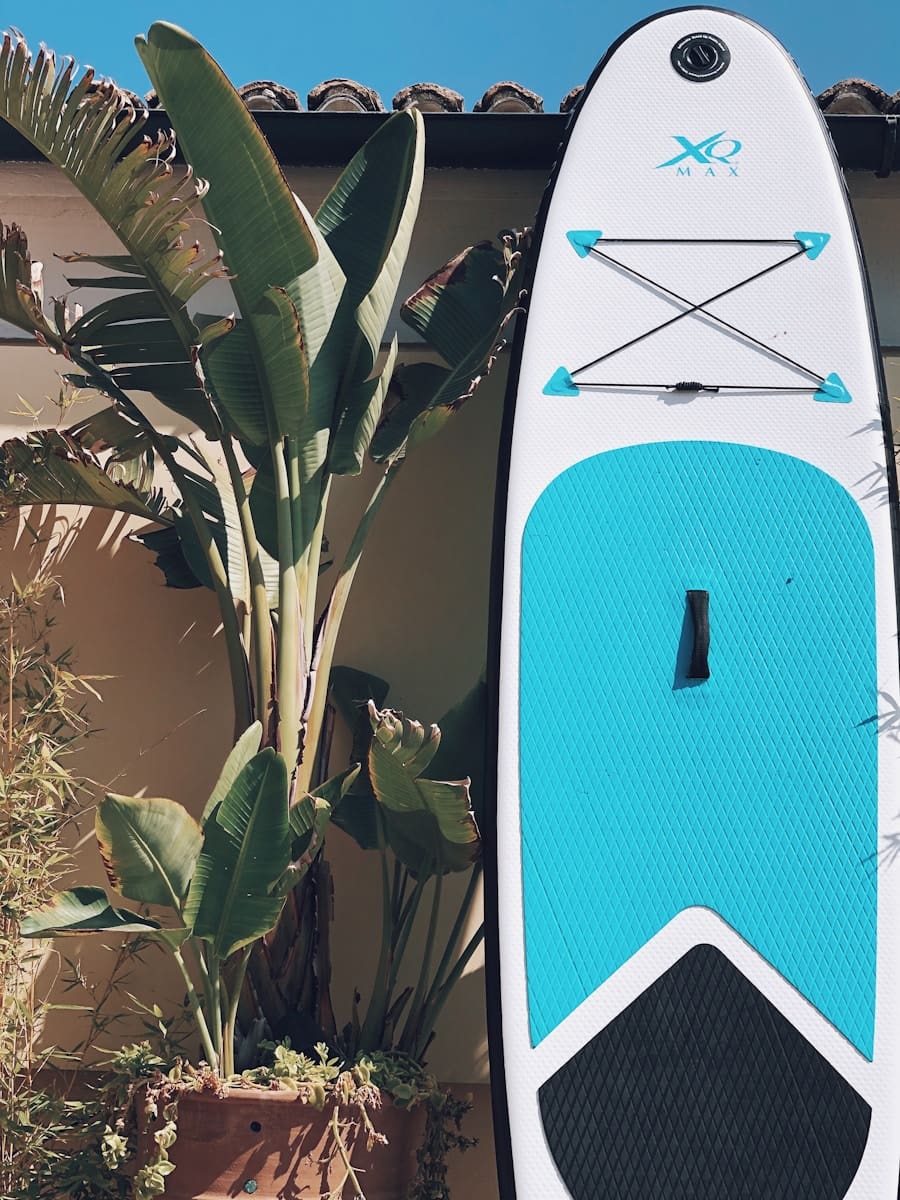
Another critical aspect is the board’s construction material. Inflatable paddleboards are portable and easy to store but may lack rigidity compared to solid boards made from epoxy or fiberglass. Additionally, weight capacity is essential; heavier paddlers should opt for boards with higher weight limits to ensure stability on the water.
As paddleboarding instructor Lisa Green emphasizes, “Choosing a board that fits your intended use will enhance your enjoyment and performance.”
Essential Gear and Accessories for Kayaking, Canoeing, and Paddleboarding
Equipping oneself with the right gear is vital for a safe and enjoyable experience on the water. For kayaking enthusiasts, essential items include a personal flotation device (PFD), a paddle suited to their height and kayak type, and appropriate clothing that can withstand water exposure. Waterproof bags for storing valuables are also recommended.
Canoers should consider similar gear but may also benefit from additional accessories such as anchor systems or fishing rod holders if they plan to fish from their canoe. Paddleboarders should invest in a quality paddle that matches their board type and size, as well as a leash to prevent losing their board in case of a fall. – Personal Flotation Device (PFD)
– Appropriate paddles
– Waterproof storage bags
– Leashes for paddleboards
Safety Tips for Water Adventures
Safety should always be a top priority when engaging in water sports like kayaking, canoeing, or paddleboarding. First and foremost, wearing a properly fitted personal flotation device is crucial for all participants. It is also advisable to check weather conditions before heading out; sudden changes can create hazardous situations.
Additionally, paddlers should inform someone about their plans and expected return time. This precaution ensures that help can be summoned if needed. It is also wise to carry a whistle or other signaling device in case of emergencies.
As safety expert Tom Richards states, “Preparation is key; knowing your limits and being aware of your surroundings can prevent accidents.”
Where to Go: Top Destinations for Kayaking, Canoeing, and Paddleboarding
For those looking to explore new waters, numerous destinations cater to kayaking, canoeing, and paddleboarding enthusiasts alike. National parks often provide stunning landscapes and calm waters ideal for these activities. For instance, Lake Tahoe in California offers crystal-clear waters surrounded by breathtaking mountain views.
Another popular location is the Florida Keys, where paddlers can navigate through mangroves while observing diverse wildlife. The calm waters of the Chesapeake Bay also attract many paddlers due to its scenic beauty and variety of waterways. Each of these locations provides unique experiences that cater to both beginners and seasoned adventurers.
Maintenance and Care: Keeping Your Watercraft in Top Shape
Proper maintenance is essential for prolonging the life of kayaks, canoes, and paddleboards. After each use, it is advisable to rinse off any saltwater or debris to prevent corrosion or damage. For kayaks and canoes made from fiberglass or plastic, regular inspections for cracks or wear are necessary.
Paddleboards should be stored in a cool place away from direct sunlight to prevent warping or fading. Additionally, checking inflation levels regularly is crucial for inflatable boards to ensure optimal performance on the water. As maintenance expert Jane Foster advises, “Taking care of your equipment not only enhances its lifespan but also ensures your safety during adventures.” In conclusion, whether one chooses kayaking, canoeing, or paddleboarding, understanding the nuances of each watercraft is vital for an enjoyable experience.
By considering factors such as type of watercraft, essential gear, safety measures, and maintenance practices, enthusiasts can make informed decisions that enhance their time on the water. Engaging with local communities or joining clubs can further enrich this experience by providing opportunities for learning and adventure. Readers are encouraged to share their own experiences or ask questions in the comments section below to foster a community of water sports enthusiasts.
If you’re looking to gear up for your water adventures, you may also be interested in checking out this article on how to streamline your checkout process. Making sure you have the right equipment is essential, but so is ensuring a smooth and efficient purchasing experience. This article offers tips and tricks for optimizing your online checkout process.
FAQs
What are the different types of watercraft for recreational use?
There are three main types of watercraft for recreational use: kayaks, canoes, and paddleboards. Each has its own unique features and benefits, so it’s important to choose the right one for your specific needs and preferences.
What are the key differences between kayaks, canoes, and paddleboards?
Kayaks are typically narrow and have a covered deck, while canoes are open and usually larger in size. Paddleboards are similar to surfboards and are used while standing up and paddling with a single-bladed paddle. Each type of watercraft offers different levels of stability, maneuverability, and seating options.
How do I choose the right watercraft for my adventures?
When choosing a watercraft, consider factors such as the type of water you’ll be navigating, your level of experience, the number of passengers, and the activities you plan to do (such as fishing, touring, or recreational paddling). It’s also important to consider the weight and size of the watercraft for transportation and storage.
What are the different materials used to make kayaks, canoes, and paddleboards?
Watercraft can be made from a variety of materials, including plastic, fiberglass, wood, and inflatable materials. Each material has its own advantages and disadvantages in terms of durability, weight, cost, and performance on the water.
What safety equipment should I have when using a kayak, canoe, or paddleboard?
It’s important to have essential safety equipment such as a personal flotation device (PFD), a whistle or signaling device, a leash for paddleboards, and a first aid kit. Additionally, it’s recommended to have proper clothing, sunscreen, and a means of communication (such as a waterproof phone case or radio).