

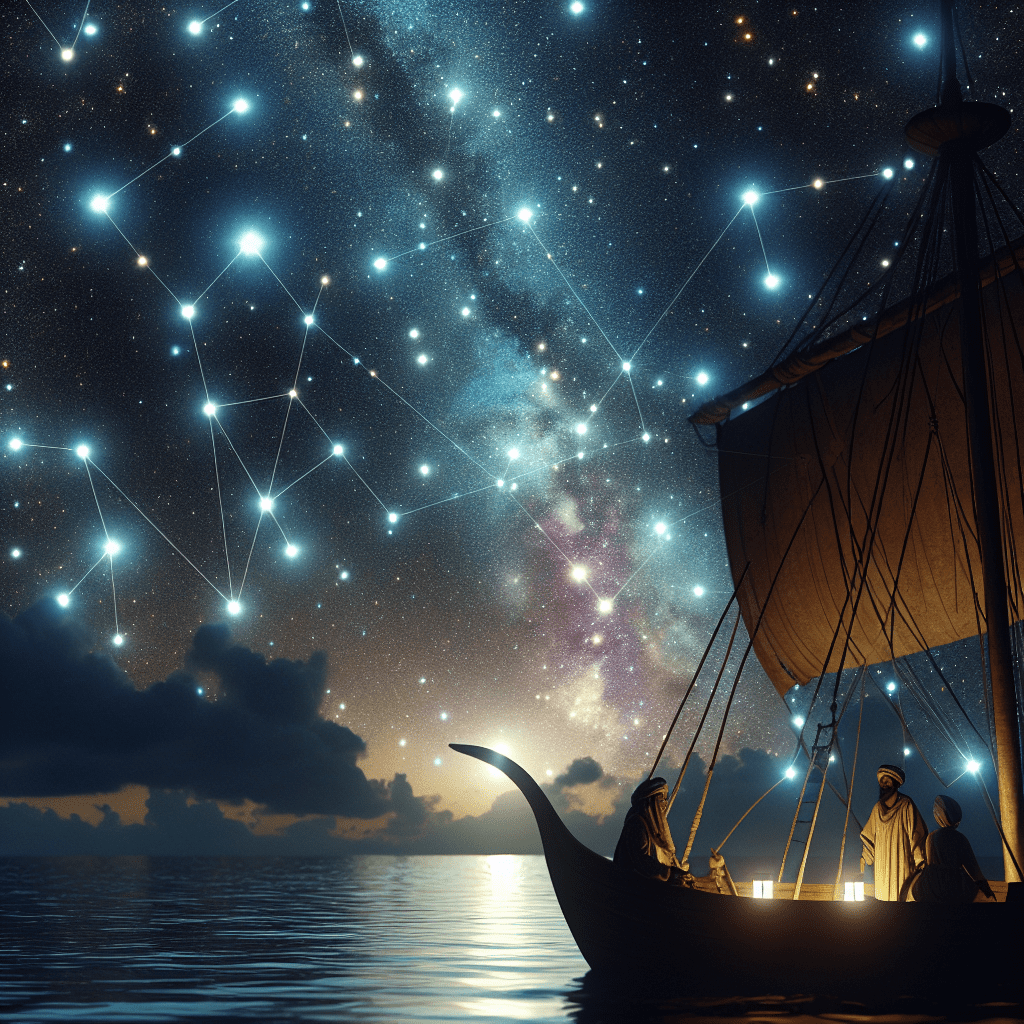

As outdoor enthusiasts, there’s nothing quite like the serenity of a starlit sky above us, guiding our way through unexplored terrains. Traditional navigation techniques, especially those that harness the stars, are not only pivotal for modern adventurers but also connect us to the rich tapestry of human history and survival. In this blog post, we’ll delve into the art of navigating by the stars, blending educational insights with captivating anecdotes from my own adventures and those of fellow explorers.
Introduction
Imagine standing on a mountain ridge as the sun dips below the horizon, painting the sky in shades of orange and purple. As darkness envelops the landscape, stars begin to pierce the night, beckoning you to look up and find your bearings. Traditional navigation techniques, particularly those guided by the stars, are indispensable skills that every outdoor lover should master.
Why is this knowledge so crucial? Aside from the pure thrill of adventure, understanding how to navigate by the stars can mean the difference between a safe trip and becoming hopelessly lost. In this guide, we’ll explore actionable techniques, invaluable tools, and real-life tales that illustrate the importance and beauty of stargazing for navigation. So, let’s embark on this enlightening journey under the celestial canopy.
Understanding the Basics of Celestial Navigation
Navigating by the stars may seem daunting, but armed with the right knowledge, it becomes an accessible and rewarding skill.
The Importance of Celestial Navigation
Celestial navigation is the art of using the positions of celestial bodies—like stars, the moon, and the sun—to determine your location on Earth. This ancient technique has guided sailors and explorers for centuries, providing a reliable means of orientation long before GPS devices became commonplace.
Tools for the Trade
Before we delve into the intricacies of actual navigation, let’s explore the essential tools that can enhance your experience:
-
Sextant: An essential tool for measuring the angle between a celestial object and your horizon.
-
Compass: While navigating by stars, a compass can help align your travel route.
-
Star Charts: Printed or digital star charts outline the night sky, showing the position of stars at various times of the year.
Personal Anecdote: A Night to Remember
Years ago, I found myself lost in the mountainous terrain of the Rockies after a day of hiking. With darkness rapidly approaching, I recalled tales of my grandfather, who once guided ships by the stars. With nothing but a pocket compass and the twinkling dots above me, I set out to navigate.
As I marveled at the beauty of the Milky Way, I spotted the North Star—my guiding light. The constellation Ursa Major became my frame of reference, helping me orient myself and gradually find my way back to camp. It was a moment of connection, reminding me of the generations of adventurers who have relied on the same celestial bodies for navigation.
Key Constellations for Navigation
Identifying certain constellations plays a crucial role in effectively navigating by the stars. Here’s a closer look at the essential players in the night sky.
The North Star and Ursa Major
The North Star, or Polaris, resides nearly directly above the North Pole. To find Polaris, locate the Big Dipper, part of the constellation Ursa Major. The two stars at the end of the dipper’s ‘bowl’ point directly to Polaris. This reliable star serves as a cornerstone for orientation in the Northern Hemisphere.
Orion’s Belt
The belt of Orion—composed of three bright stars—is another navigational beacon. In ancient times, sailors used Orion to guide them across oceans, and this practice is still relevant today for land navigation.
The Southern Cross
For those venturing in the Southern Hemisphere, the Southern Cross offers a method to find south. This small but brilliant constellation is not only beautiful but practical.
Practical Application and Anecdotal Wisdom
During one trip in South America, our expedition group was relying heavily on the Southern Cross for orientation. As we huddled together in the Amazon rainforest, I emphasized the importance of the stars in guiding us southward. But our journey took a twist: a heavy rainstorm obscured the stars.
It was a reminder that while traditional navigation is invaluable, it’s equally important to have a contingency plan—like allowing yourself time to learn the terrain during daylight hours, or carrying a reliable GPS device as a backup.
Techniques for Navigating by the Stars
Once the sky darkens and you’re equipped with the right tools, the real adventure begins. Here are step-by-step techniques to navigate effectively.
Step 1: Identify Your Location
Before relying solely on celestial navigation, you need to know where you are. Use a compass to orient yourself. If you can see Polaris, draw an imaginary line from the North Star to the nearest horizon point—this line will help you determine north.
Step 2: Calculate Your Position
Using a sextant or a simple protractor, measure the angle between Polaris and the horizon. This angle can then be compared to known values to calculate your latitude.
Step 3: Keep a Record
Documenting your findings is key. Maintain a navigation journal detailing your observations and calculations, which can become an invaluable reference on future trips.
Personal Insights: The Importance of Practice
One summer afternoon, I decided to practice my celestial navigation skills at a local park. I gathered friends for an impromptu stargazing session. The more we witnessed how the stars moved across the sky, the more confident we became. That night turned into a riveting discussion about ancient mariners and their unwavering reliance on the constellations, underscoring the importance of practice in mastering these skills.
Common Mistakes to Avoid
Even seasoned navigators can make mistakes. Here are some common pitfalls to watch out for.
Over-reliance on Technology
While gadgets are great, they shouldn’t completely replace traditional navigation skills. Relying solely on a GPS without understanding the basics of star navigation can leave you vulnerable.
Not Practicing in Familiar Territory
Many adventurers make the mistake of practicing navigation skills in unknown areas. Ensure to first try your techniques in familiar surroundings to build your confidence.
Ignoring Weather Conditions
Stars are best navigated under clear skies. Be cautious and keep an eye on weather patterns, and have a backup plan in case of inclement weather.
Key Takeaways
Navigating by the stars is a timeless skill that every outdoor enthusiast should embrace. It builds confidence, deepens one’s connection to the natural world, and keeps centuries-old traditions alive. Remember to practice, utilize helpful tools, and always remain adaptable in the face of changing conditions.
Reader Questions Answered
What if I can’t see the stars due to clouds?
While cloudy conditions can hinder navigation by stars, rely on a compass, map, or GPS in the interim. Always have a backup navigation strategy!
How can I practice star navigation?
Start in a familiar area, on a clear night. Use star charts to identify prominent constellations, like the Big Dipper or Orion’s Belt.
Can these techniques be used in urban settings?
Yes! While city lights can obscure stars, you can still learn to identify major constellations. This practice enriches your skills, regardless of your environment.
FAQs
Do I need a special tool to navigate by stars?
While traditional tools like sextants and star charts can enhance navigation, a simple compass and a basic understanding of the stars are enough to begin.
How accurate is celestial navigation compared to GPS?
While GPS is precise, celestial navigation offers a reliable alternative that has served humans for centuries. It’s essential to know both methods for comprehensive navigation skills.
How do I avoid getting lost in unfamiliar areas?
Always plan ahead and familiarize yourself with the terrain. Combine traditional navigation techniques with modern technology to reduce risks.
Embrace the art of navigating by the stars and take your outdoor adventures to new heights, allowing the cosmos to guide your journey. Happy exploring!