

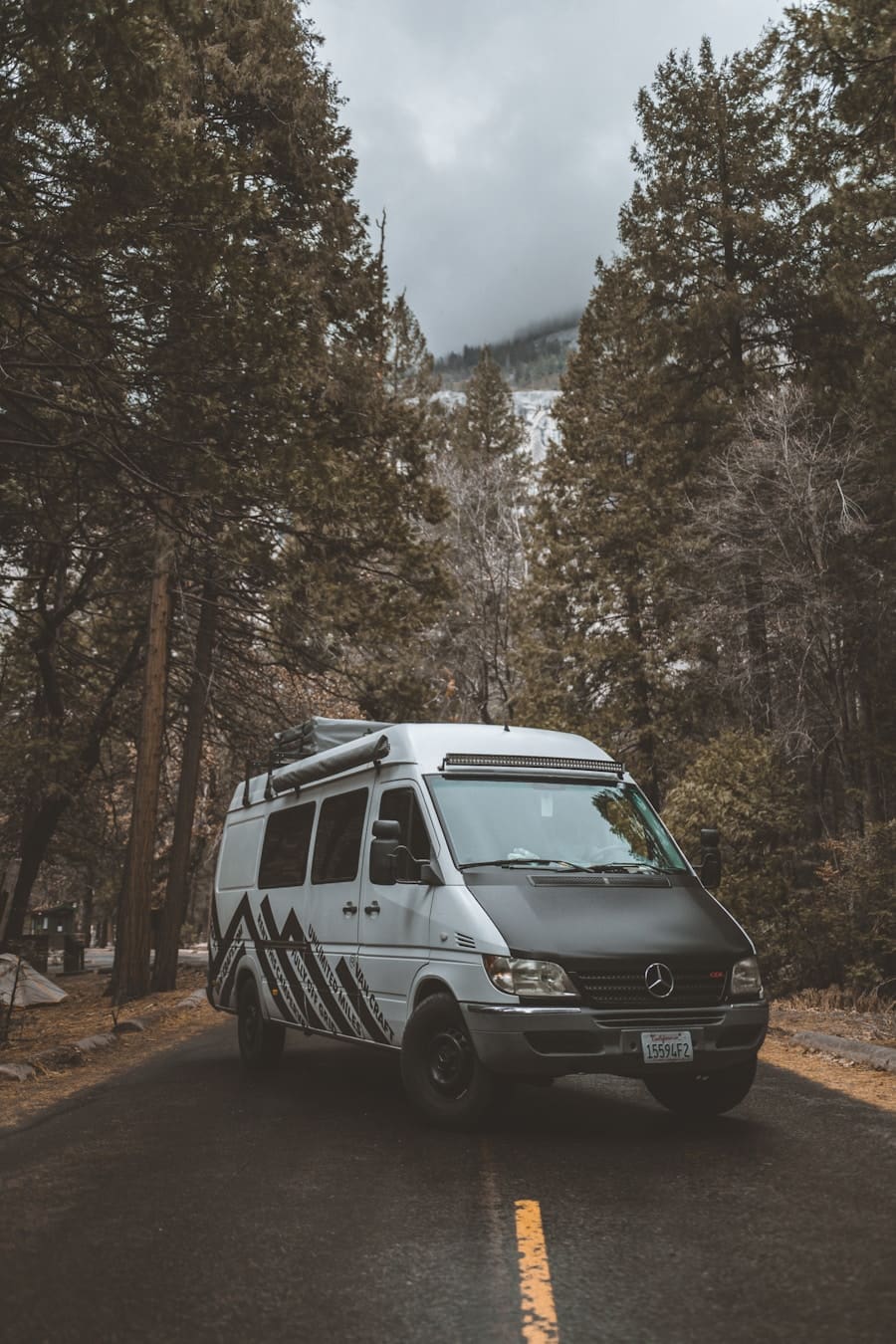

When embarking on an outdoor expedition, the importance of packing the right essentials cannot be overstated. Whether you are a seasoned adventurer or a novice explorer, having the appropriate gear can make or break your experience. Essential items include a reliable backpack, appropriate clothing layers, food and water supplies, navigation tools, and first aid kits.
Each of these components plays a crucial role in ensuring a safe and enjoyable journey. For beginners, it’s vital to start with the basics. A sturdy backpack should be comfortable and large enough to hold all your gear without being cumbersome.
Layering clothing is essential for adapting to changing temperatures; moisture-wicking base layers, insulating mid-layers, and waterproof outer layers are recommended. Advanced travelers may want to consider specialized gear such as lightweight tents, portable cooking equipment, and advanced navigation devices. Regardless of experience level, packing efficiently can enhance your outdoor adventure significantly. I just bought a new backpack for my upcoming trip.
Key Takeaways
- Pack light and bring only the essentials for your outdoor expedition to avoid unnecessary weight and bulk.
- Prioritize safety by bringing a first aid kit, navigation tools, and emergency communication devices when traveling outdoors.
- Plan your route carefully by researching the area, creating a detailed itinerary, and informing someone of your plans before heading out.
- Be prepared for various weather conditions by packing appropriate clothing and gear, and staying updated on weather forecasts.
- Practice campsite etiquette by respecting quiet hours, properly disposing of waste, and being considerate of other campers.
Safety First: Tips for Staying Safe While Traveling Outdoors
Safety should always be a top priority when venturing into the great outdoors. Understanding potential hazards and preparing for them can help mitigate risks. One of the most effective strategies is to inform someone about your travel plans, including your intended route and expected return time.
This way, if something goes awry, someone will know where to look for you. Additionally, it’s crucial to familiarize yourself with the area you plan to explore. Research local wildlife, terrain challenges, and weather patterns.
For beginners, carrying a basic first aid kit is essential, while more experienced adventurers might consider advanced medical training or wilderness first aid courses. Always remember that safety gear—such as helmets for climbing or life jackets for water activities—should never be overlooked.
Planning Your Route: How to Map Out Your Outdoor Adventure
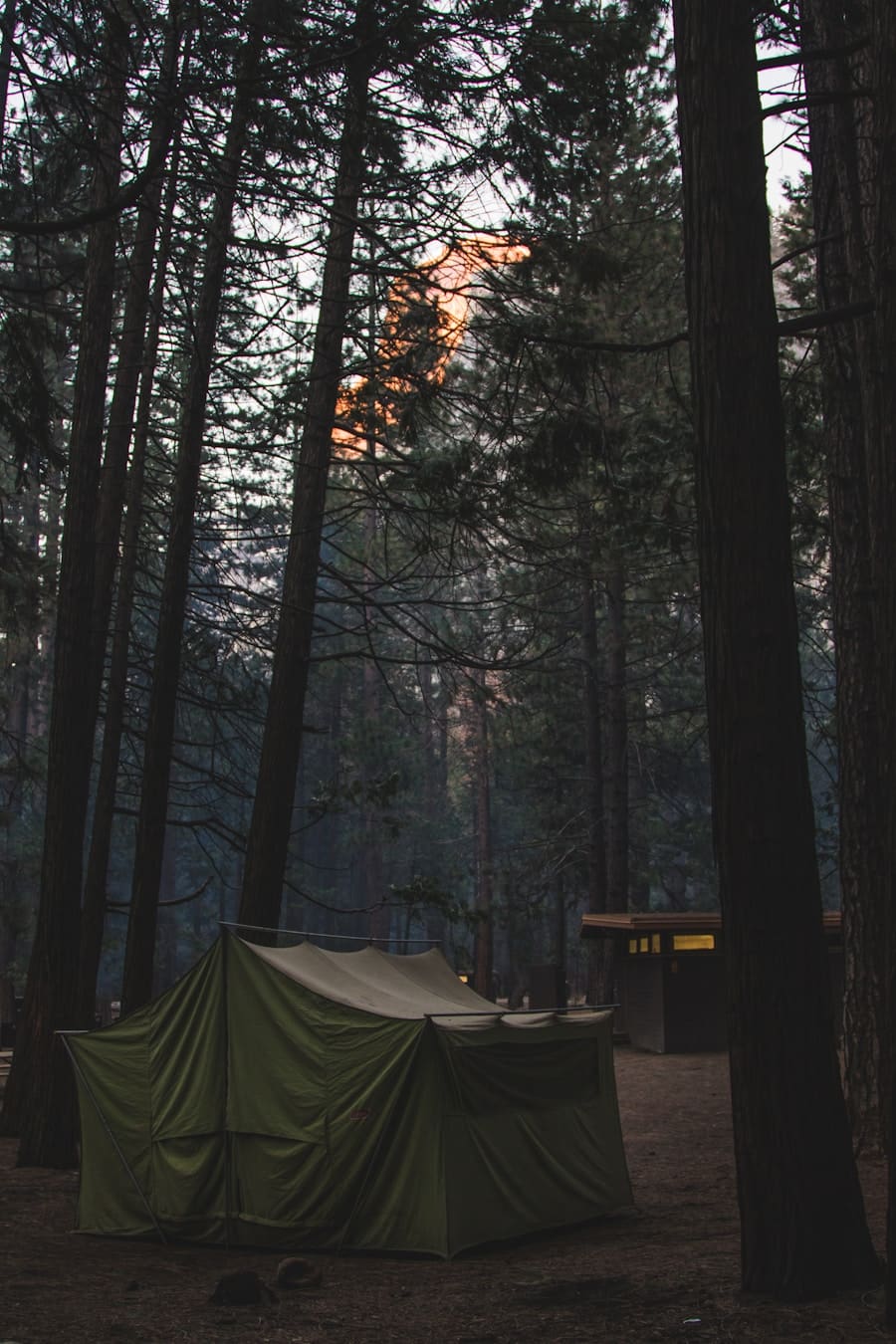
Mapping out your outdoor adventure is a critical step that can enhance both safety and enjoyment. Start by selecting a destination that aligns with your skill level and interests. Utilize topographic maps and digital navigation tools to plot your course, taking note of landmarks and potential hazards along the way.
For beginners, it’s advisable to choose well-marked trails that offer clear signage and established campsites. Advanced adventurers may prefer off-the-beaten-path routes that require more navigation skills and self-sufficiency. Regardless of experience level, always have a backup plan in case of unexpected changes in weather or trail conditions.
Weather Woes: How to Prepare for Various Weather Conditions
Weather can be unpredictable, especially in mountainous or remote areas. Preparing for various weather conditions is essential for any outdoor expedition. Start by checking the forecast before you leave and pack accordingly.
Layering is key; even in warm weather, temperatures can drop significantly at night. For beginners, investing in high-quality rain gear and thermal layers can make a significant difference in comfort levels during unexpected weather changes. Advanced travelers should consider portable weather monitoring devices that provide real-time updates on changing conditions.
Always be prepared to adjust your plans based on the weather; safety should always come first.
Campsite Etiquette: Tips for Being a Considerate Camper
Campsite etiquette is an often-overlooked aspect of outdoor adventures that can greatly enhance the experience for everyone involved. Respecting fellow campers and the environment is paramount. Always choose established campsites when possible to minimize your impact on nature.
For beginners, understanding the importance of noise control and proper waste disposal is crucial. Keep noise levels down to respect others’ experiences and always pack out what you pack in—this includes trash and leftover food. Advanced campers may want to engage in practices like campfire management and wildlife safety protocols to ensure a harmonious camping experience for all.
Wildlife Encounters: How to Stay Safe Around Animals
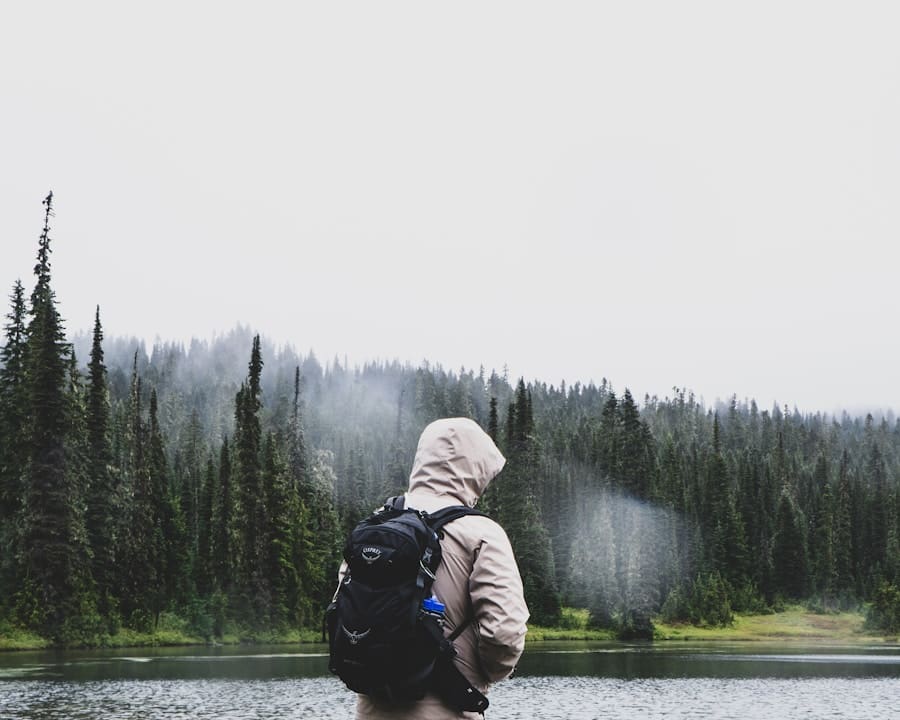
Encounters with wildlife can be one of the most thrilling aspects of outdoor adventures, but they also come with risks. Understanding how to behave around animals is essential for both your safety and theirs. Always maintain a safe distance from wildlife; using binoculars or zoom lenses can help you observe without getting too close.
For beginners, it’s important to learn about the local fauna before heading out. Familiarize yourself with which animals are common in the area and how to react if you encounter them. Advanced adventurers should consider carrying bear spray or other deterrents when exploring areas known for larger wildlife encounters.
Remember that feeding wildlife is not only dangerous but also harmful to their natural behaviors.
Emergency Preparedness: What to Do in Case of an Emergency
No one wants to think about emergencies while enjoying the great outdoors, but being prepared can save lives. Familiarize yourself with basic emergency protocols before heading out on your adventure. This includes knowing how to signal for help, administer first aid, and navigate back to safety if lost.
For beginners, carrying a whistle and a mirror can be effective tools for signaling in case of an emergency. More experienced adventurers might consider taking wilderness survival courses that cover advanced skills such as shelter building and fire-starting techniques. Always have a plan in place for emergencies; knowing what steps to take can make all the difference when faced with unexpected challenges.
Leave No Trace: Tips for Minimizing Your Impact on the Environment
The principle of Leave No Trace is fundamental for anyone who enjoys outdoor activities. This philosophy encourages adventurers to minimize their impact on the environment while enjoying nature’s beauty. Practicing Leave No Trace principles not only preserves natural habitats but also ensures that future generations can enjoy these spaces.
For beginners, simple actions like staying on marked trails and properly disposing of waste can significantly reduce environmental impact. Advanced travelers may want to engage in conservation efforts or volunteer for trail maintenance projects as a way to give back to the outdoor community. Remember that every small action counts; being mindful of your surroundings helps protect the wilderness we all cherish.
In conclusion, preparing for an outdoor expedition involves careful planning and consideration of various factors—from packing essentials to understanding wildlife encounters. By following these guidelines, adventurers of all experience levels can ensure a safe and enjoyable journey while minimizing their impact on the environment. Engage with fellow travelers, share your experiences, and continue learning about best practices in outdoor exploration—after all, every adventure is an opportunity for growth and discovery!
**Image Placement Suggestions:**
1. Image of a well-packed backpack with gear laid out (Alt text: “Essential gear packed for an outdoor expedition”).
2. Image of a group studying a map together (Alt text: “Travelers planning their route for an outdoor adventure”).
3.
Image of a campsite with tents set up (Alt text: “A well-maintained campsite showcasing good camping etiquette”).
4. Image of wildlife in its natural habitat (Alt text: “Wildlife encounter during an outdoor expedition”).