

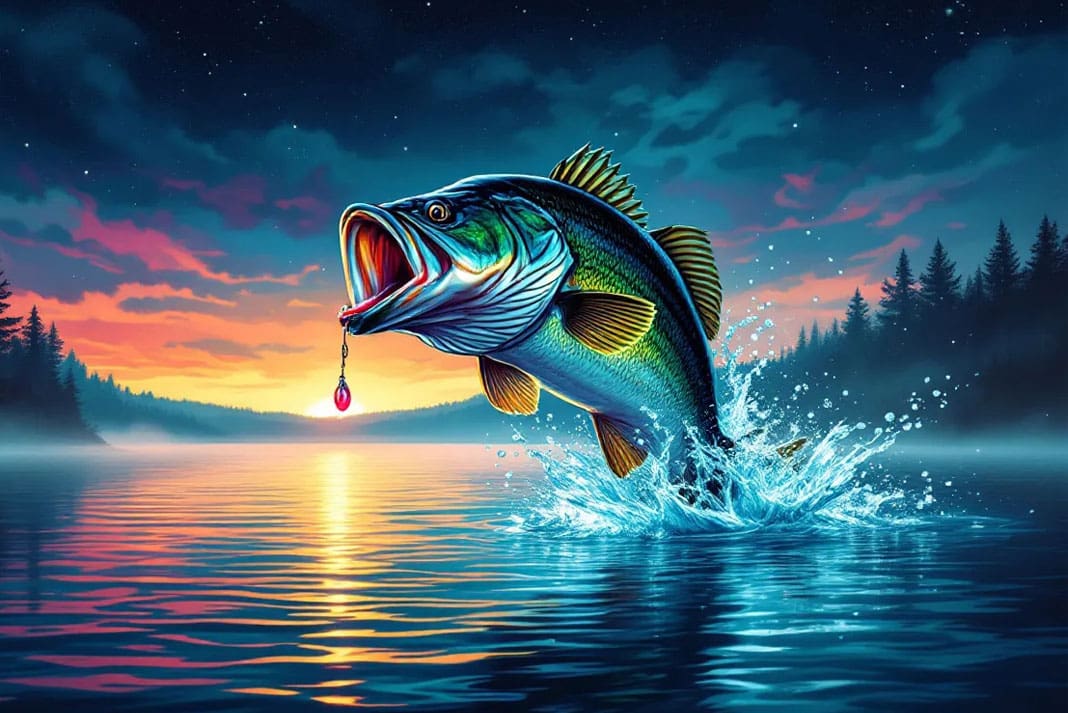

Fishing enthusiasts around the world share a common passion: the thrill of hooking a big fish.
Among the most sought-after species is the bass, known for its fight and delicious taste. Whether you’re a novice or a seasoned angler, understanding the secrets to catching big bass can elevate your fishing game and lead to unforgettable moments on the water.
Understanding Bass Species
Before heading out, it’s essential to familiarize yourself with the different types of bass you might encounter:
-
- Largemouth Bass: Found in freshwater lakes, rivers, and ponds, this species is known for its aggressive behavior and can weigh over 10 pounds.
- Largemouth Bass: Found in freshwater lakes, rivers, and ponds, this species is known for its aggressive behavior and can weigh over 10 pounds.
-
- Smallmouth Bass: Preferring cooler waters, usually in rivers and lakes, smallmouth bass are known for their fighting spirit and are often found in rocky areas.
- Smallmouth Bass: Preferring cooler waters, usually in rivers and lakes, smallmouth bass are known for their fighting spirit and are often found in rocky areas.
-
- Spotted Bass: These bass are similar to largemouth bass but are smaller and prefer clear waters with abundant underwater structures.
Understanding the habitat and behavior of these bass types will help you tailor your approach.
The Best Time to Fish
Timing is crucial in bass fishing. Early morning and late evening are often considered prime times, as bass are actively feeding. During warmer months, target these times for the best chances of catching big ones. Seasonal changes also affect feeding habits:
-
- Spring: As the water warms, bass move to shallower areas to spawn.
-
- Summer: Bass might seek cooler waters in deeper sections or around cover.
-
- Fall: With feeding intensifying for winter, bass are often more aggressive.
-
- Winter: Fishing can slow, but targeting deeper water can still yield results.
Essential Gear for Success
Selecting the right equipment can drastically improve your chances. Here’s a breakdown of essential gear:
-
- Rods and Reels: A medium to heavy-action rod paired with a baitcasting reel is ideal for bigger bass.
- Rods and Reels: A medium to heavy-action rod paired with a baitcasting reel is ideal for bigger bass.
-
- Line: Braided line offers strength and sensitivity, while fluorocarbon provides invisibility underwater. A combination can work effectively depending on the situation.
- Line: Braided line offers strength and sensitivity, while fluorocarbon provides invisibility underwater. A combination can work effectively depending on the situation.
-
- Lures: Topwater lures (like poppers), spinnerbaits, and soft plastics are excellent choices. Use largemouth bass favorite colors like green pumpkin or watermelon for more success.
Techniques for Catching Big Bass
1. Targeting Structures
Bass love hiding spots like submerged brush, rocks, and vegetation. Casting near these structures increases your chances:
-
- Flip and Pitch: Use this technique with soft plastics to quietly drop your lure into tight spots.
2. Texas and Carolina Rigging
For deeper waters, rigging techniques like Texas and Carolina rigging allow for versatility in lure placement. This ensures your bait gets noticed by lurking bass.
3. Topwater Action
In warmer months, bass often hit topwater lures. The explosive strikes of a fish breaking the surface can be both exciting and effective.
4. Slow and Steady Retrieval
Big bass can be picky eaters, so slow retrievals often tempt them. The key is patience; if a bass misses your lure, try varying your speed to entice a strike.
Locating the Hot Spots
Being able to read the water and identify the right fishing spots is invaluable:
-
- Observe the Weather: Overcast conditions can often enhance fishing as bass venture out more often.
- Observe the Weather: Overcast conditions can often enhance fishing as bass venture out more often.
-
- Use Technology: Fish finders can help pinpoint structures and schools of bass below the surface.
- Use Technology: Fish finders can help pinpoint structures and schools of bass below the surface.
-
- Ask Local Experts: Fellow anglers, tackle shops, and local fishing forums can provide insights into tried-and-true locations.
Conclusion
Catching big bass is as much about knowledge and strategy as it is about technique and equipment. By understanding the species, employing the right gear, and mastering effective tactics, you can significantly improve your chances of reeling in the big one. Remember, fishing is not just about the catch; it’s about the experience, the serenity of nature, and the thrill of the adventure. So gear up, hit the water, and may your fishing journeys be filled with stories of the big one that didn’t get away! Happy fishing!