

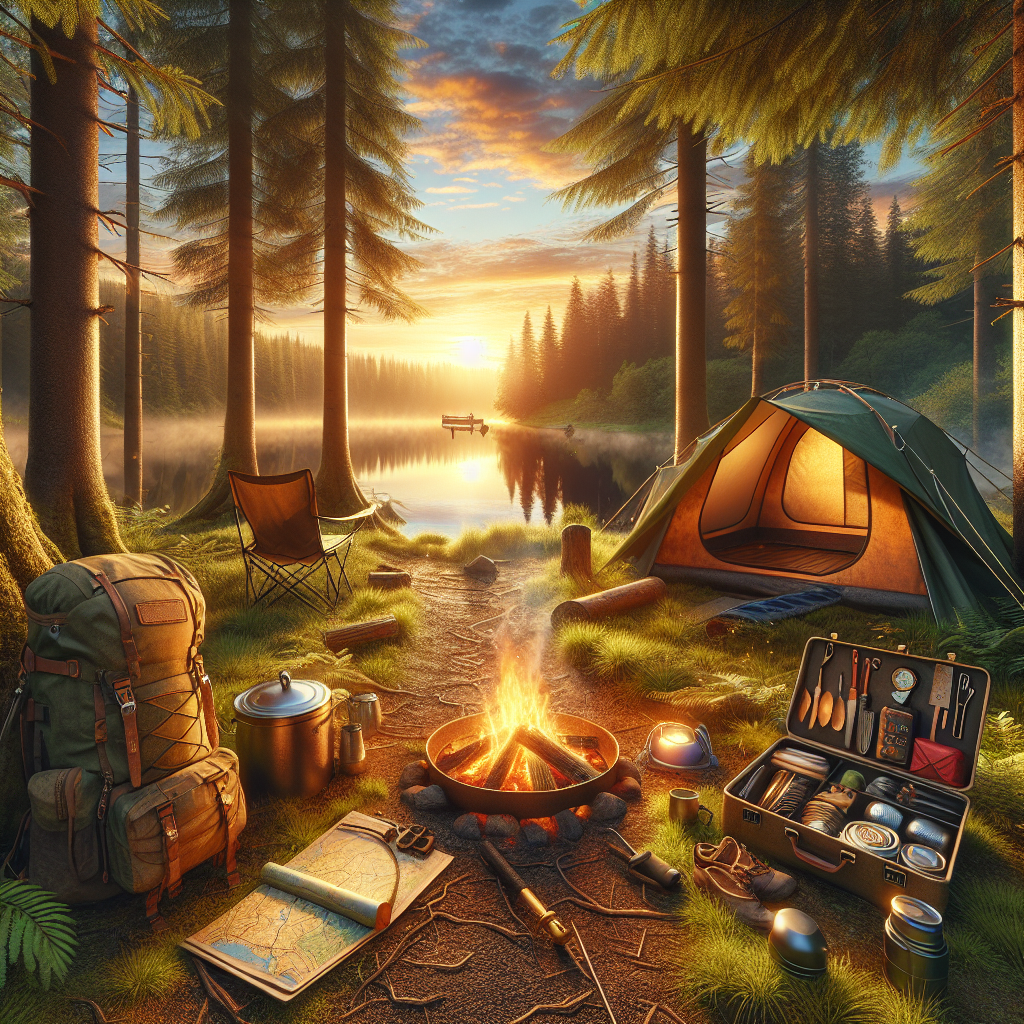

Picture this: stumbling upon a crystal-clear lake, surrounded by towering pines, while the scent of fresh earth fills the air. The beauty of wilderness camping is not just in nature’s art; it’s in the moments that touch your spirit—those quiet evenings by the fire, the laughter shared with friends, and the peace found in solitude. But before diving into these cherished experiences, first-time wilderness campers should arm themselves with essential insights. As any seasoned adventurer knows, the right knowledge can turn a daunting experience into a delightful adventure. Here are ten invaluable tips to ensure your inaugural wilderness camping trip is memorable for all the right reasons.
Know Your Terrain and Plan Accordingly
Understanding the wilderness ahead of time is crucial. Research the terrain, the weather, and even the local wildlife.
When I first camped in the Sierra Nevada, I neglected to check the weather forecast. I arrived, only to be greeted by unexpected rain. My tent, ill-suited for extreme conditions, began leaking. A simple plan could have saved me a night of discomfort. Always check local forecasts, trail maps, and any park regulations before setting out.
Master the Art of Packing Light But Right
Packing is not just about what you take; it’s understanding what you absolutely need.
During my first camping trip, my backpack resembled a mobile closet crammed with everything I thought I needed, from extra footwear to an assortment of cooking utensils. No surprise—I ended up hiking with a strained back! The key to successful packing lies in essentials: a multi-tool, a lightweight tent, a reliable sleeping bag, and dehydrated food are all you need for a comfortable experience.
Invest in Quality Gear
Choosing affordable gear might seem like a shortcut, but quality packs, tents, and sleeping bags can make a significant difference.
On one memorable trip to the Cascade Mountains, I opted for a budget tent that couldn’t withstand the wind. The downpour that followed soaked everything inside. Investing in durable, weather-resilient gear can ensure you’re prepared for whatever nature throws your way.
Set Up Camp Before Dark
There’s a comforting magic about dusk settling over a campsite, but is there anything less comforting than wrestling with tent poles in the dark?
On my first trip, I arrived late, and hurriedly set up my tent with only a headlamp for guidance. Frustration mounted as I struggled, resulting in an overnight experience that was far from restful. Aim to set up your camp during daylight. You’ll be able to find the best spot, establish a cooking area, and enjoy the serenity of nature in the soft evening light.
Familiarize Yourself with Fire Safety
A cozy campfire is often a highlight of wilderness trips, but fire safety should always be a priority.
On an unforgettable night in the woods of Idaho, I learned this the hard way. An unwatched flame quickly turned into a small scare when the wind picked up. Knowing how to contain and extinguish your fire is as crucial as knowing how to start it. Always build your fire in a designated fire pit, keep water nearby, and check wind patterns beforehand.
Camp Responsibly: Leave No Trace
Nature has an innate beauty that deserves respect and preservation. Learning how to minimize our impact is an essential part of wilderness camping.
I vividly remember hiking through a breathtaking glade, only to find remnants of discarded food and trash littered about. It was disheartening. Adopt the Leave No Trace principles: pack out all that you pack in, avoid disturbing wildlife, and stick to established trails. Future campers—and our ecosystem—will thank you.
Keep Hydrated but Filter Wisely
Water is essential for survival, especially in the wilderness. However, not all water sources are safe.
During a summer hike in the Rockies, I discovered that streams lined with animal tracks can harbor harmful bacteria. Investing in a quality water filter or purification tablets is vital. Additionally, carrying a collapsible water container allows for easy access during strenuous hikes.
Navigate with Confidence
While modern technology offers GPS apps and smartphones, having a physical map and compass is still invaluable for every wilderness camper.
On one hiking adventure near the Appalachian Trail, my phone’s battery died unexpectedly. Thanks to my trusty paper map, I was able to navigate the route with confidence. Familiarize yourself with basic navigation skills before you hit the trails.
Create Healthy, Energizing Meals
Wilderness camping doesn’t mean sacrificing nutritious meals. Dehydrated foods and pre-prepped meals can fuel your adventures.
I recall a particularly exhausting day when I relied solely on snack bars. Later, I discovered a simple meal of quinoa and vegetables is not only lightweight but energizing. Prepare a handful of meals at home to bring along, ensuring a satisfying dining experience.
Connect with Fellow Campers
The wilderness has a way of drawing people together. Meeting fellow campers can provide invaluable knowledge and camaraderie.
I once shared a campsite with a family who had extensive wilderness experience. Their shared stories of misadventures provided laughter and wisdom alike. Engaging with fellow campers can enhance your experience and offer insights you might not find in a book.
Embrace the Nature of Wilderness Camping
Finally, the most important tip: embrace the experience. Wilderness camping is about connection— with nature, with yourself, and perhaps with others.
During my first solo camping trip, I felt a wave of anxiety. Yet, as I sat under the vast starlit sky, listening to the gentle rustle of the leaves, a profound sense of peace enveloped me. Don’t forget to breathe in the atmosphere, appreciate the sounds of nature, and take in the scenery. The wilderness has incredible lessons waiting for those willing to listen.
Key Takeaways
Embarking on your wilderness camping journey is a profound decision that brings connection to nature and the unexplainable joys it offers. From detailed preparations and quality gear to understanding the terrain and fire safety, each step can ensure your adventure is as rewarding as the views. Don’t forget, the heart of wilderness camping lies in respect— for the land, wildlife, and fellow campers. With these ten essential tips, your first excursion into the wild will likely be the start of many memorable adventures.
Reader Questions Answered
Q1: What should I bring for my first wilderness camping trip?
For your first trip, focus on essentials: a sturdy shelter (tent), a quality sleeping bag, a lightweight cooking solution, food, proper clothing, and a reliable hydration system. Aim for gear that combines quality and functionality.
Q2: How can I stay safe from wildlife while camping?
Keep food stored securely to avoid attracting wildlife and make noise while hiking to alert animals of your presence. Always respect wildlife and maintain a safe distance.
Q3: What if it rains during my camping trip?
Seek to set up camp in a drainage area to avoid flooding. Ensure your gear is water-resistant, and have tarps or rain covers available for additional protection.
FAQs
Q: Can I camp anywhere in the wilderness?
A: No, camping regulations vary. Always check local guidelines for designated camping areas.
Q: How do I dispose of waste while camping?
A: Follow Leave No Trace principles: dispose of waste in designated bathroom facilities or pack it out if none are available.
Q: What can I do to prepare for extreme weather conditions?
A: Research weather forecasts, invest in appropriate gear, and be mentally prepared to adapt your plans for safety.
With the right mindset and preparations, your wilderness camping experience can be the adventure of a lifetime. Gear up, step out, and let the wild inspire your next journey.