

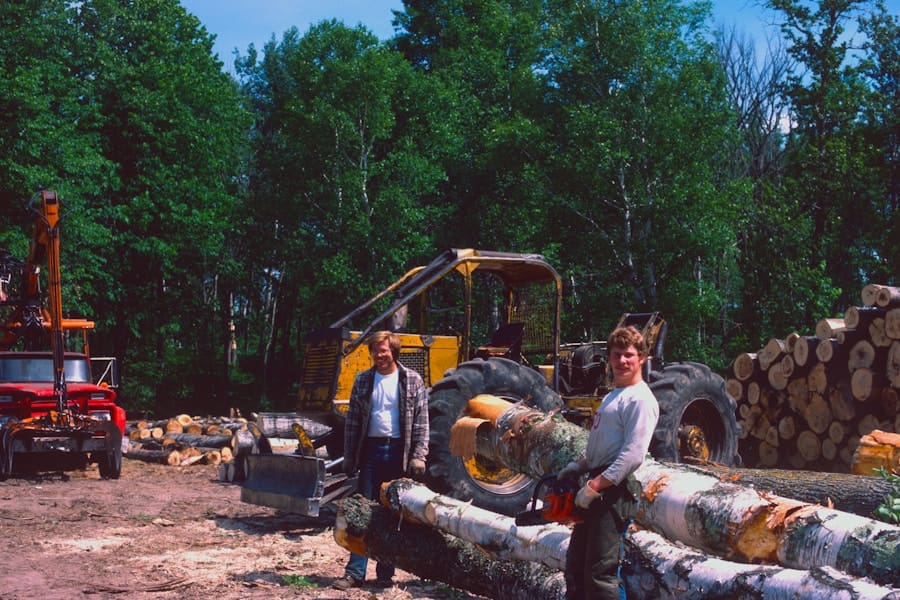

The logging industry in Wisconsin has a rich and storied history that dates back to the early 19th century. As settlers moved into the region, they quickly recognized the vast forests of pine, oak, and hardwoods as a valuable resource. By the mid-1800s, logging had become a cornerstone of Wisconsin’s economy, attracting workers from various backgrounds who sought opportunity in the timber-rich landscape.
The state’s abundant natural resources fueled a booming lumber industry, which played a pivotal role in shaping both the economy and the culture of Wisconsin. As demand for timber surged, particularly during the industrial revolution, logging camps sprang up across the state. These camps were often remote and rugged, housing workers who toiled long hours in harsh conditions.
The timber harvested from Wisconsin’s forests was not only used locally but also shipped across the nation, contributing to the construction of homes, railroads, and other infrastructure. By the late 19th century, Wisconsin had established itself as one of the leading lumber producers in the United States, with towns like Rhinelander and Wausau becoming synonymous with logging.
Key Takeaways
- Wisconsin’s logging industry has a rich history dating back to the 19th century, playing a significant role in the state’s economy and development.
- The timber industry has had a profound impact on Wisconsin’s landscape, shaping the environment and contributing to the state’s natural beauty.
- Logging camp life was characterized by hard work, camaraderie, and tales of adventure, providing a unique insight into the lives of early loggers.
- The legacy of logging in Wisconsin has contributed to the state’s outdoor recreation opportunities, including hiking, camping, and wildlife viewing.
- Folktales and legends from the timber industry have been passed down through generations, adding to the lore and mystique of Wisconsin’s logging history.
The Impact of the Timber Industry on Wisconsin’s Landscape
Environmental Consequences
The removal of trees altered ecosystems, affecting wildlife habitats and water quality in many regions.
Towards Sustainable Forestry Management
As forests were cleared for timber production, concerns about sustainability began to emerge, prompting discussions about responsible logging practices. In response to these environmental challenges, Wisconsin has made strides toward sustainable forestry management. Organizations and state agencies have implemented practices aimed at balancing economic needs with ecological preservation.
Restoring Ecosystems
For instance, selective logging techniques and reforestation efforts have been introduced to mitigate the impact of timber harvesting. These initiatives not only help restore ecosystems but also ensure that future generations can enjoy the natural beauty and resources that Wisconsin’s forests provide.
Logging Camp Life: Tales from the Woods

Life in a logging camp was often grueling and demanding, characterized by long hours and physically taxing work. Lumberjacks, as they were known, faced numerous challenges as they navigated the dense forests with axes and saws. The camaraderie among workers was essential for survival; they relied on each other for support and shared stories around campfires after a long day in the woods.
These tales often included humorous anecdotes about their experiences or cautionary stories about the dangers of logging. The daily routine in a logging camp was structured yet unpredictable. Workers would rise before dawn to prepare for a day of cutting trees and hauling logs.
Meals were hearty but simple, often consisting of beans, bread, and meat cooked over an open fire. Despite the hardships, many lumberjacks found joy in their work and developed a deep connection to the land. Their stories reflect not only the challenges they faced but also their love for the wilderness that surrounded them.
The Legacy of Logging on Wisconsin’s Outdoor Recreation
The legacy of logging in Wisconsin extends beyond its economic impact; it has also shaped outdoor recreation in profound ways. As logging operations cleared vast areas of forest, they inadvertently created new opportunities for recreational activities such as hiking, fishing, and camping. Many of the trails and waterways that outdoor enthusiasts enjoy today were once routes used by loggers to transport timber.
Moreover, the culture surrounding logging has influenced recreational events and traditions throughout Wisconsin. Festivals celebrating logging history often feature competitions such as log rolling and lumberjack shows, drawing crowds eager to witness these thrilling displays of skill. These events not only honor the state’s logging heritage but also foster a sense of community among residents and visitors alike.
Logging Lore: Folktales and Legends from the Timber Industry
Logging lore is rich with folktales and legends that have been passed down through generations. These stories often blend fact with fiction, creating a tapestry of narratives that reflect the experiences of those who worked in the woods. One popular figure in logging folklore is Paul Bunyan, a giant lumberjack whose exploits are said to have shaped the landscape of North America.
His tales are filled with humor and exaggeration, capturing the spirit of adventure that characterized life in the logging camps. Another notable legend is that of Babe the Blue Ox, Paul Bunyan’s loyal companion. Together, they are said to have cleared vast forests and created rivers with their immense strength.
These stories not only entertain but also serve as a reminder of the hard work and dedication that defined the logging industry in Wisconsin. They highlight the connection between people and nature while celebrating the resilience of those who toiled in the woods.
Leisure Activities Born from Logging Traditions

The traditions born from Wisconsin’s logging history have given rise to various leisure activities that continue to thrive today. One such activity is log rolling, a competitive sport where participants balance on a floating log while trying to knock each other off. This thrilling event has its roots in the skills lumberjacks developed while working on rivers during log drives.
Additionally, many communities host lumberjack festivals that celebrate their logging heritage through competitions, music, and food. These events often feature demonstrations of traditional logging techniques alongside modern innovations in forestry. They provide an opportunity for families to engage with their local history while enjoying outdoor activities that pay homage to their ancestors’ hard work.
Preserving Wisconsin’s Logging History: Museums and Historical Sites
To honor its logging heritage, Wisconsin boasts several museums and historical sites dedicated to preserving the stories and artifacts of this vital industry. The Logging Museum in Rhinelander is one such destination, showcasing exhibits that detail the evolution of logging equipment and techniques over time. Visitors can explore interactive displays that bring to life the experiences of lumberjacks and learn about the environmental impact of logging practices.
Another notable site is the Northwoods Logging Museum in Eagle River, which features a collection of vintage logging machinery and tools. This museum serves as a testament to the ingenuity and resilience of those who worked in the timber industry while providing educational opportunities for visitors of all ages. By preserving these historical sites, Wisconsin ensures that future generations can appreciate the significance of logging in shaping their state’s identity.
The Future of Wisconsin’s Timber Industry and Outdoor Recreation
As Wisconsin looks toward the future, the timber industry faces both challenges and opportunities in an ever-evolving landscape. Sustainable forestry practices are becoming increasingly important as environmental concerns grow. The industry is adapting by embracing technology that enhances efficiency while minimizing ecological impact.
Innovations such as precision forestry techniques are helping loggers manage resources more effectively. Simultaneously, outdoor recreation continues to flourish as more people seek to connect with nature. The legacy of logging has paved the way for diverse recreational opportunities that attract tourists and residents alike.
As communities invest in maintaining trails and parks, they are also fostering a culture of conservation that honors Wisconsin’s natural heritage. In conclusion, Wisconsin’s logging history is a tapestry woven with stories of hard work, resilience, and community spirit. From its early days as a booming industry to its lasting impact on outdoor recreation and culture, logging has shaped both the landscape and identity of this state.
As we move forward, it is essential to preserve this legacy while embracing sustainable practices that ensure future generations can enjoy Wisconsin’s rich natural resources. Readers are encouraged to explore local museums or participate in community events celebrating logging history to deepen their understanding of this vital aspect of Wisconsin’s heritage. Engaging with these traditions not only honors those who came before but also fosters a connection to the land that continues to inspire outdoor enthusiasts today.
**Image Placement Recommendations:**
1. **Image of a historic logging camp** – Alt text: “Historic logging camp showcasing early 20th-century lumberjack life.”
2. **Image of log rolling competition** – Alt text: “Participants competing in a thrilling log rolling event at a lumberjack festival.”
3.
**Image of vintage logging equipment** – Alt text: “Collection of vintage logging machinery displayed at a museum dedicated to Wisconsin’s timber history.”
4. **Image of a scenic hiking trail through a forest** – Alt text: “Scenic hiking trail surrounded by lush forests shaped by Wisconsin’s logging legacy.”