

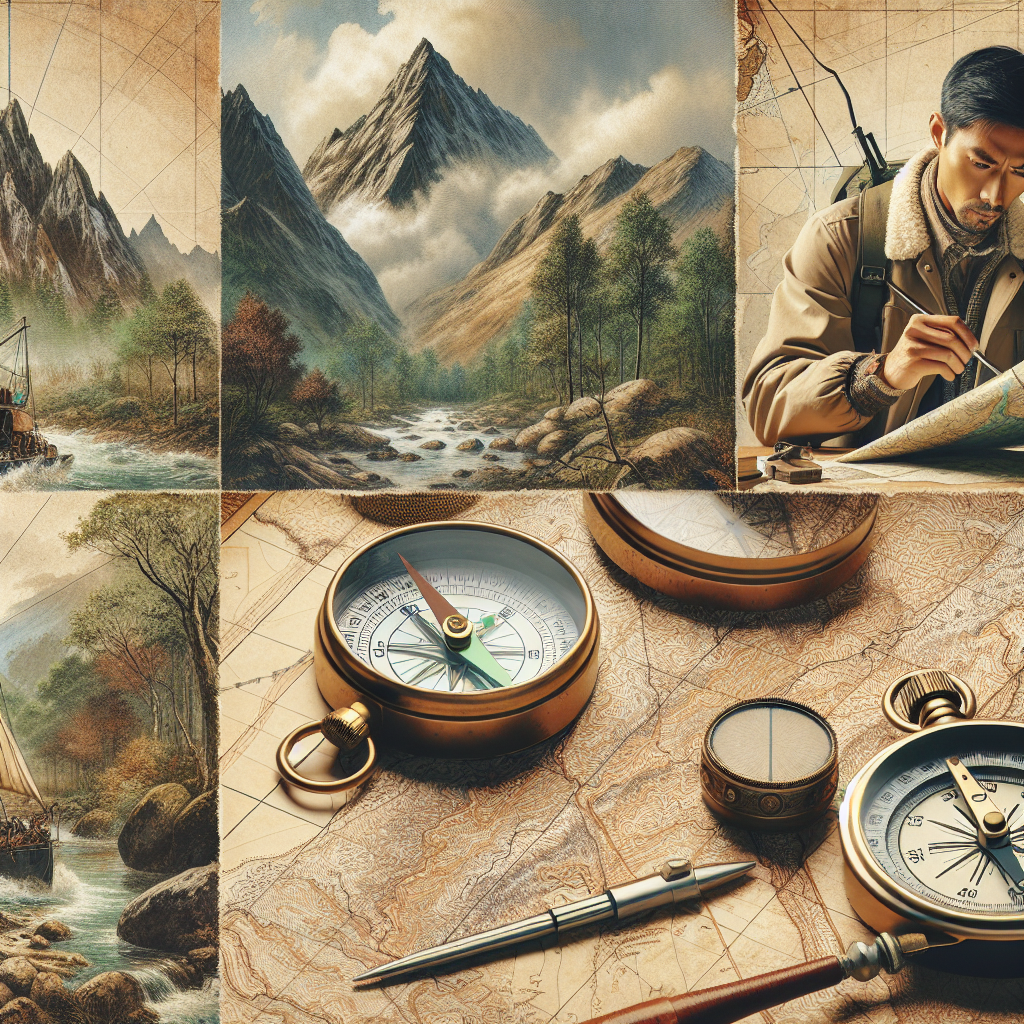

Introduction
Every outdoor enthusiast knows that getting lost in the wilderness can turn a beautiful adventure into a terrifying ordeal. Whether you’re hiking through dense forests, paddling across remote lakes, or scaling rugged mountains, mastering wilderness navigation is essential for your safety and enjoyment. In this post, we’ll explore essential navigation techniques that you can rely on, all while weaving in personal stories to highlight their significance. Join me on this journey as we delve into the heart of wilderness navigation, equipping you with the skills you need to find your way, even when the path is unclear.
Understanding Basic Navigation Tools
To navigate effectively in the wilderness, you need to familiarize yourself with basic navigation tools: a map, a compass, and, perhaps, a GPS device. Each of these tools has its unique features and functions that can make or break your journey.
The Map: Your Guide to the Unknown
A topographic map is more than just lines and symbols; it’s a depiction of the terrain that can reveal much about the environment you’re traversing. The first step is to learn how to read it.
- How to Read a Map: Familiarize yourself with symbols, scales, and contour lines. Understanding contour lines can help you gauge the steepness of the terrain and identify natural features like rivers and hills.
- Personal Anecdote: On my first solo hike in the Cascades, I depended on a map that I had only skimmed. As I approached a steep ridge, I realized I had misread the contour lines and found myself grappling with a much steeper climb. A simple error nearly led to a serious misadventure. Lesson learned: always study your map ahead of time and understand its nuances!
The Compass: Your Constant Companion
While maps provide a big-picture overview, compasses give you real-time directional data. Carrying a compass is crucial, even if you have a GPS device, which can fail when you need it most.
- How to Use a Compass: Learn to orient your map with the compass, understand magnetic declination, and practice following precise bearings.
- Common Mistakes: Many adventurers forget to account for magnetic declination, which can lead you astray. Simply understanding the adjustment needed can keep you true to your desired path.
- A Personal Lesson: I once trusted my wrist-mounted GPS to lead the way during a dense fog encounter in the Sierras. It led me off course due to poor satellite connectivity. Fortunately, my compass and the skills I’d practiced helped me find my way back, but those moments were tense! Always have a backup plan.
GPS Devices: Modern Navigation
These devices have revolutionized how we navigate, but relying solely on technology can be risky.
- Pros and Cons: GPS devices provide ease of use but can malfunction or run out of battery. Use them as a supplement to traditional methods.
- Anecdote: One summer camping trip, my group relied solely on our phones for navigation. When we ventured into a remote area devoid of cell service, chaos ensued. A battery-saving mode was inadvertently activated, and the screen became virtually useless. I missed my old-school map and compass, which would’ve kept us grounded—literally. Always carry backup navigation tools!
Identifying Landmarks and Natural Navigation
Mastering wilderness navigation also means learning to interpret the environment around you. Natural landmarks can serve as guides when technology fails.
Recognizing Natural Features
Learn to use natural features such as rivers, mountains, and valleys as navigational aids.
- Key Features: Familiarize yourself with the structure of the land; for instance, rivers typically flow downhill and mountains can serve as reference points.
- A Personal Encounter: I once camped along a river, using the watercourse to guide my way back after a day hike. As the sun dipped behind the mountains, the river became my lifeline, illuminating a path I had once thought lost.
The Use of the Sun and Stars
To navigate when in open areas, the sun and stars can be your best friends.
- Solar Navigation: During the day, the sun rises in the east and sets in the west. You can use the position of the sun to estimate your direction.
- Stellar Navigation: At night, you can locate the North Star by finding the Big Dipper constellation. This knowledge can be invaluable if you’re ever caught out after dark.
- Life Lesson: On a starlit night in the Rockies, I found myself lost. With the absence of a flashlight but the North Star shining bright, I recalibrated my course to safety. The stars reminded me that nature is an incredible map if you know how to read it.
Planning and Preparation
Successful navigation starts before you step into the wilderness. Planning and preparation are essential to mastering wilderness navigation.
Create a Navigation Plan
Setting up a navigation plan involves preparing a detailed itinerary that includes landmarks, stopping points, and emergency routes.
- Checklist for Planning: Before your trip, ensure you have a map, compass, GPS device, and a written itinerary. It’s also wise to share this plan with someone at home.
- Anecdote: I once explored a trail less traveled without a concrete plan, believing I could rely on my instincts. Mistakes in my navigation led to a harrowing detour where a friendly park ranger had to retrace my steps. Make a plan, share it, and stay accountable!
Practice Makes Perfect
Frequent practice can help you feel comfortable with navigation tools and techniques.
- Tips for Practice: Consider training in controlled environments, using local parks or trails where you can apply navigation skills without the high-stakes of deep wilderness.
- A Personal Story: I spent weekends practicing map reading and compass skills before a two-week backcountry trek. When the actual hike approached, my comfort with the tools transformed apprehension into confidence, allowing me to enjoy rather than dread navigation.
Handling Emergencies
Even the best navigators can find themselves in trouble. Knowing what to do when things go awry is critical for every outdoor adventurer.
Common Navigation Mistakes
Awareness of potential errors can save you from disaster. Missing a trail turnoff or misreading a map are common errors.
- Preventing Errors: Always pause to reassess if you’re unsure. Take regular bearings and compare your surroundings with your map to confirm your location.
- A Relevant Anecdote: During a group trek through dense fog upstate, we hit a point of confusion and collectively argued about which way to go. A quick check of our maps and bearings revealed that we were significantly off course. The delay caused anxiety, but it reinforced the necessity of double-checking navigation before proceeding.
Emergency Procedures
Know how to react if you find yourself truly lost.
- Staying Calm: First, stop moving! This lessens the risk of straying further. Assess your surroundings and your navigation tools.
- Choose a Direction: If you’ve determined that the best option is to move, select a landmark and head towards it, marking your path as you go. This increases the chances of retracing your steps correctly.
- Personal Tales: On an icy trail in Pennsylvania, a friend and I lost sight of the markers. Instead of panic, we took a moment to breathe. We stopped, recalibrated, and retraced our steps to where we last knew we were on track. It’s easier said than done, but staying composed is half the battle.
Wrap-Up / Key Takeaways
Mastering wilderness navigation is more than memorizing techniques or practicing with tools—it’s about integrating lessons learned from experience and ensuring a sense of confidence when exploring the great outdoors. Key takeaways include:
- Always be familiar with your navigation tools: maps, compasses, and GPS devices.
- Rely on both natural features and celestial bodies as navigational aids.
- Create a detailed navigation plan and ensure continuous practice.
- Stay calm in emergencies, and know how to retrace your steps.
Let these skills empower your outdoor adventures, where every lost moment can turn into a remarkable story.
Reader Questions Answered
Q: How important is it to learn navigation if I have a GPS device?
A: While GPS devices are incredibly useful, technology can fail. Learning traditional navigation methods ensures you’re prepared for any situation, giving you confidence and safety.
Q: What’s the biggest mistake first-time backpackers make in navigation?
A: Many first-time backpackers neglect to plan; ensuring you have a navigation plan, along with understanding the area you’ll be exploring, is critical for successful navigation.
Q: Can I navigate effectively without a compass?
A: Yes, but not recommended. While natural navigation techniques are valuable in emergencies, having a compass or GPS device provides a reliable backup.
FAQs
Q: What are the essential items for effective wilderness navigation?
A: A topographic map, a compass, a GPS device (if available), and a first aid kit.
Q: How can I practice my navigation skills?
A: Engage in local hikes, or join outdoor workshops focused on navigation techniques. Practice in various terrains to build confidence.
Q: What’s the most common cause of getting lost in the wilderness?
A: A lack of attention to surroundings or failing to reassess the navigation method can often lead to confusion and disorientation.
Embrace these navigation techniques, and the wilderness will not only be your playground but also your sanctuary, allowing you to explore with every bit of confidence. Safe travels!