

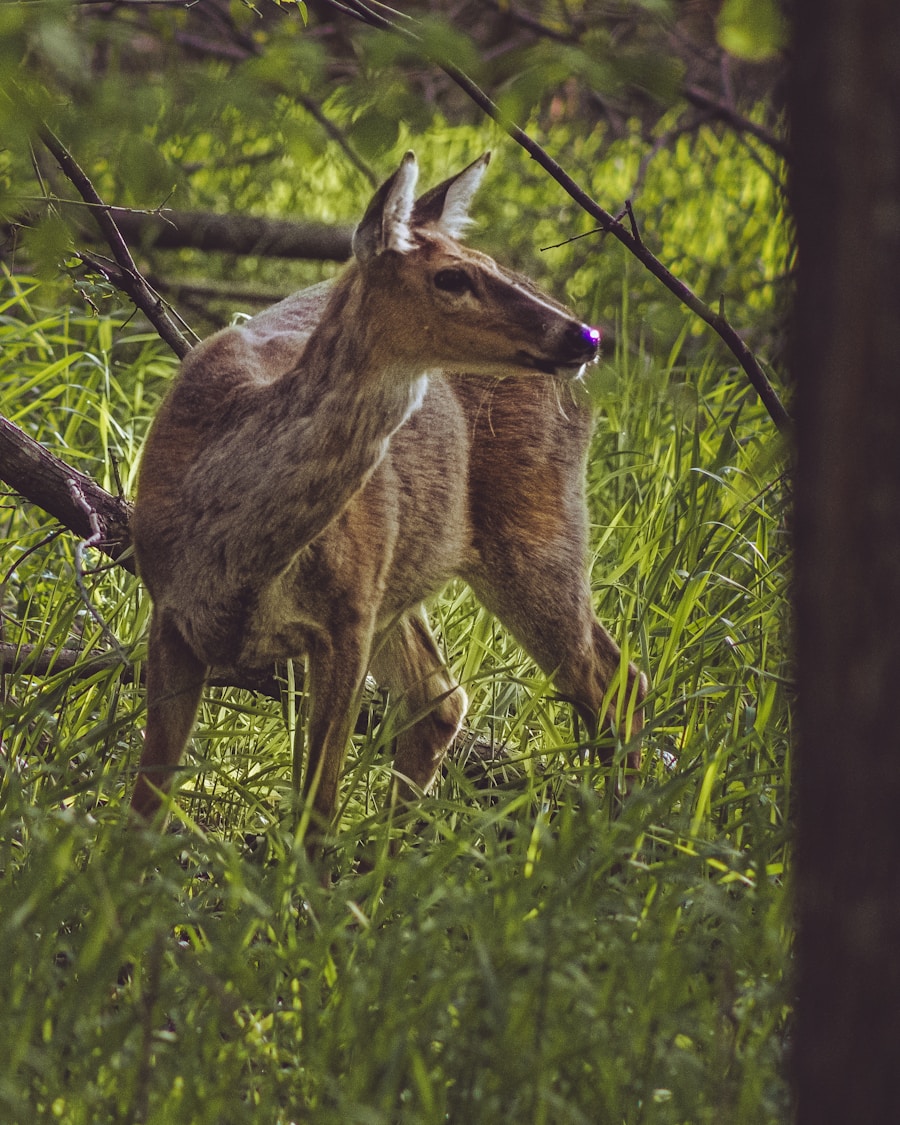

To become a successful deer hunter, it is crucial to understand the behavior of deer. These animals are creatures of habit, often following predictable patterns based on their feeding, breeding, and bedding habits. By observing these patterns, you can significantly increase your chances of a successful hunt.
For instance, deer are most active during dawn and dusk, which is when they venture out to feed. Knowing this, you should plan your hunting trips around these peak activity times. Additionally, understanding the seasonal changes in deer behavior can also be beneficial.
During the rut, for example, male deer become more active and less cautious as they search for mates, making them more vulnerable to hunters. Another important aspect of deer behavior is their response to environmental factors. Weather conditions can greatly influence deer movement.
For instance, deer tend to be more active before a storm as they sense the change in pressure. Conversely, they may become less active during heavy rain or extreme heat. By paying attention to these environmental cues, you can adjust your hunting strategy accordingly.
Furthermore, understanding how deer use their senses—sight, smell, and hearing—can help you remain undetected. Deer have excellent vision and can see movement from a distance, so remaining still and camouflaged is essential. Their sense of smell is even more acute; they can detect human scent from miles away.
Therefore, using scent control products and maintaining a low profile is vital for a successful hunt. Check out the latest hunting gear at https://amzn.to/3Y20t8M.
Choosing the Right Hunting Gear
Selecting the right hunting gear is fundamental to your success in the field. The first step is to choose a suitable firearm or bow that matches your skill level and the type of deer you are hunting. If you are new to hunting, consider starting with a rifle that has manageable recoil and is easy to handle.
For experienced hunters, a compound bow or crossbow may offer the challenge and precision you seek. Regardless of your choice, ensure that you practice regularly to build confidence and accuracy. In addition to your weapon, clothing plays a significant role in your hunting experience.
Opt for camouflage patterns that blend with your surroundings, and choose materials that provide warmth and comfort without sacrificing mobility. Layering is key; it allows you to adjust your clothing based on changing weather conditions. Don’t forget about essential accessories such as gloves, hats, and boots that provide insulation and concealment.
A good pair of waterproof boots will keep your feet dry while trekking through wet terrain, while gloves will help you maintain dexterity when handling your gear.
Scouting and Locating Deer
Effective scouting is one of the most critical components of successful deer hunting. Before the season begins, take the time to explore potential hunting areas thoroughly. Look for signs of deer activity such as tracks, droppings, and rubs on trees where bucks have marked their territory.
These indicators can help you identify trails that deer frequently use. Additionally, pay attention to food sources like acorns or agricultural fields that attract deer during specific times of the year. Using trail cameras can also enhance your scouting efforts significantly.
By setting up cameras along known trails or near feeding areas, you can monitor deer activity without disturbing their natural behavior. This technology allows you to gather valuable information about the size and health of the deer population in your area, as well as their movement patterns throughout the day. Analyzing this data will enable you to make informed decisions about when and where to hunt.
Setting Up Effective Deer Stands
Once you have identified promising locations through scouting, it’s time to set up your deer stands effectively. The placement of your stand is crucial; it should be positioned downwind from where you expect deer to approach while providing a clear line of sight for shooting. Consider using tree stands or ground blinds depending on the terrain and your comfort level.
Tree stands offer an elevated vantage point that can help you spot deer from a distance while minimizing your scent’s impact on the ground. When setting up your stand, ensure that it is secure and comfortable for long periods of waiting. Bring along cushions or pads for added comfort, especially if you plan to spend several hours in the stand.
Additionally, practice getting in and out of your stand quietly to avoid alerting nearby deer. The more stealthy you are during this process, the better your chances of encountering deer during your hunt.
Utilizing Deer Calls and Scents
Incorporating calls and scents into your hunting strategy can significantly increase your chances of attracting deer. There are various types of calls available on the market, including grunt calls, bleat calls, and rattling antlers. Each serves a different purpose; for example, grunt calls can mimic the sound of a buck looking for does during the rut, while bleat calls can attract does or fawns seeking their mothers.
Scent products can also be effective tools in your arsenal. Using doe estrous scent during the rut can entice bucks into your vicinity as they search for mates. However, it’s essential to use these products judiciously; overusing scents can lead to diminishing returns as deer become wary of unnatural smells.
Always apply scents sparingly and strategically around your stand area to create an inviting environment without overwhelming the deer.
Shot Placement and Tracking
Understanding shot placement is vital for ethical hunting practices and ensuring a quick kill. The ideal shot placement for deer is typically behind the shoulder, targeting the heart and lungs for maximum effectiveness. Familiarize yourself with the anatomy of a deer so that you can make informed decisions when aiming at your target.
Practicing at various distances will help you develop confidence in your shooting abilities. Once you’ve taken a shot, tracking becomes essential. Pay close attention to the deer’s behavior immediately after the shot; if it runs off quickly or stumbles, it may indicate a good hit.
Look for blood trails or other signs such as hair or tissue to determine where the deer was struck. If you’re unsure about the hit’s effectiveness, give the deer time before tracking it; this allows it to settle down and reduces the risk of losing it altogether.
Hunting in Different Terrains and Seasons
Adapting your hunting strategy based on terrain and seasonal changes is crucial for success. Different environments present unique challenges; for instance, hunting in dense forests requires stealth and patience as visibility is limited compared to open fields where spotting deer may be easier but requires careful concealment from their keen eyesight. Seasonal changes also affect deer behavior significantly.
In early fall, deer are often focused on feeding in preparation for winter; thus, scouting food sources becomes paramount during this time. As winter approaches and food becomes scarce, deer may congregate near agricultural fields or areas with available cover. During springtime, as new vegetation emerges, adjust your tactics accordingly by focusing on areas with fresh growth that attracts deer.
Ethics and Conservation in Deer Hunting
As an experienced hunter, it’s essential to prioritize ethics and conservation in your practices. Responsible hunting not only ensures sustainable populations but also fosters respect for wildlife and their habitats. Always adhere to local regulations regarding hunting seasons and bag limits; these rules are designed to maintain healthy populations and ecosystems.
Additionally, consider participating in conservation efforts within your community or joining organizations dedicated to wildlife preservation. Engaging in habitat restoration projects or educational programs can help promote responsible hunting practices while ensuring future generations have access to these outdoor experiences. Remember that ethical hunting goes beyond just following rules; it encompasses respect for nature and a commitment to preserving it for years to come.
By understanding deer behavior, choosing appropriate gear, scouting effectively, setting up stands wisely, utilizing calls and scents strategically, mastering shot placement and tracking techniques, adapting to different terrains and seasons, and committing to ethical practices, you will enhance your skills as a hunter while contributing positively to wildlife conservation efforts. Happy hunting!