

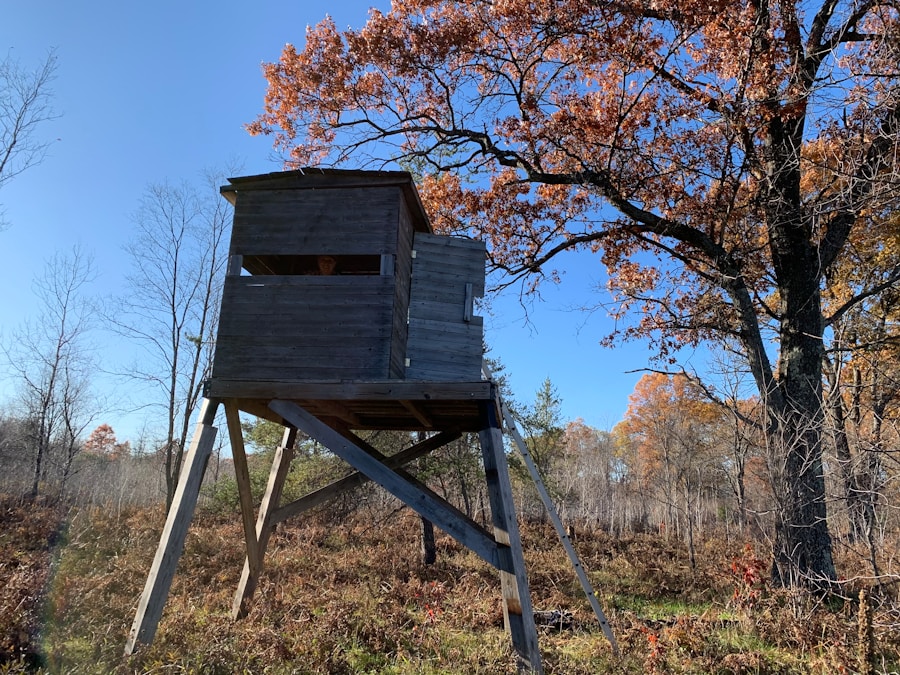

Deer hunting blinds are essential tools for any serious hunter looking to increase their chances of a successful hunt. These structures provide concealment, allowing you to remain undetected by deer while you wait for the perfect moment to take your shot. The importance of a hunting blind cannot be overstated; it serves as your sanctuary in the wild, offering protection from the elements and a vantage point to observe deer behavior.
By using a blind, you can significantly improve your odds of encountering deer, as they are less likely to notice your presence compared to hunting from an open area. Moreover, hunting blinds can enhance your overall experience in the field. They allow you to remain still and quiet, which is crucial for not spooking deer.
The ability to sit comfortably for extended periods can lead to more successful hunts, as you can wait patiently for the right deer to come into view. Additionally, blinds can be particularly beneficial for novice hunters or those who may not have the physical stamina to remain still in the open for long durations. By understanding the importance of deer hunting blinds, you can elevate your hunting game and enjoy a more productive and enjoyable experience in the great outdoors. Check out the latest hunting gear at https://amzn.to/3Y20t8M.
Choosing the Right Location for Your Deer Hunting Blind
Selecting the right location for your deer hunting blind is critical to your success. Ideally, you want to position your blind near natural deer trails, feeding areas, or water sources. Observing deer activity in the weeks leading up to your hunt can provide valuable insights into where they frequent.
Look for signs such as tracks, droppings, and rubs on trees, which indicate that deer are using specific routes. By placing your blind in an area with high deer traffic, you increase your chances of encountering these animals during your hunt. Another important factor to consider is the wind direction.
Deer have an exceptional sense of smell, and they will often avoid areas where they detect human scent. Position your blind downwind from where you expect deer to approach. This strategic placement will help ensure that your scent does not alert them to your presence.
Additionally, consider the time of day when deer are most active in your chosen location. Early mornings and late afternoons are typically prime times for deer movement, so setting up your blind accordingly can lead to more successful encounters.
Selecting the Best Type of Deer Hunting Blind for Your Needs
When it comes to choosing a deer hunting blind, there are several options available, each with its own advantages and disadvantages. Ground blinds are popular among hunters due to their portability and ease of setup. These blinds can be quickly assembled and disassembled, making them ideal for hunters who prefer to move around frequently or scout different locations.
Ground blinds also offer excellent concealment when placed correctly, allowing you to blend seamlessly into your surroundings. On the other hand, tree stands provide an elevated vantage point that can be advantageous for spotting deer from a distance. They allow you to see over tall grass and brush while minimizing your scent dispersal at ground level.
However, tree stands require more effort to set up and may not be suitable for all hunters, especially those who are uncomfortable with heights. Ultimately, the best type of blind for you will depend on your personal preferences, hunting style, and the specific terrain you are working with.
Tips for Setting Up Your Deer Hunting Blind for Maximum Success
Setting up your deer hunting blind effectively is crucial for maximizing your chances of success. First and foremost, ensure that your blind is well-camouflaged within its environment. Use natural materials such as branches, leaves, and grass to help break up the outline of the blind and make it less conspicuous to passing deer.
Additionally, consider using a blind that features natural colors and patterns that mimic the surrounding foliage. Another important tip is to ensure that your blind is positioned at an optimal height and angle for shooting. If you’re using a ground blind, make sure it is low enough to provide a clear line of sight while still offering adequate concealment.
If you’re in a tree stand, ensure that you have a clear shooting lane free of obstructions. Practice shooting from your chosen position before the hunt to familiarize yourself with angles and distances. This preparation will help you feel more confident when it comes time to take that critical shot.
Utilizing Camouflage and Scent Control to Enhance Your Deer Hunting Blind
Camouflage is an essential element in ensuring that your deer hunting blind remains undetected by wary eyes. In addition to using natural materials for concealment, consider investing in high-quality camouflage fabric or paint designed specifically for hunting blinds. This will help you blend into the environment more effectively and reduce the chances of being spotted by deer.
Scent control is equally important when it comes to enhancing your hunting blind’s effectiveness. Before heading out to hunt, take steps to minimize your scent by using scent-free soaps and detergents on your clothing and gear. Additionally, consider using scent-eliminating sprays or products designed specifically for hunters.
When setting up your blind, avoid touching surfaces with bare skin or clothing that has been exposed to strong odors, such as food or smoke. By taking these precautions, you can create an environment that is less likely to alert deer to your presence.
Strategies for Attracting Deer to Your Hunting Blind Area
Using Baiting Techniques
One effective method is to use baiting techniques such as corn or commercial attractants designed specifically for deer. Placing bait near your blind can draw deer into shooting range while providing an opportunity for observation before taking a shot.
Creating Food Plots and Planting Crops
Another strategy involves creating food plots or planting crops that are appealing to deer. This can include clover, alfalfa, or other forage plants that provide nutrition throughout the year. By establishing a food source near your blind, you can create a reliable attraction point for deer while also enhancing their habitat in the long term.
Consistency and Maintenance
Remember that consistency is key; regularly maintaining these food sources will help keep deer returning to the area. It’s also crucial to check local regulations regarding baiting practices in your area to ensure you’re complying with the rules.
Maximizing Comfort and Safety in Your Deer Hunting Blind
Comfort and safety should always be top priorities when setting up your deer hunting blind. To maximize comfort during long hours of waiting, consider adding cushions or portable chairs that provide adequate support while remaining lightweight and easy to transport. Bring along snacks and water to keep your energy levels up throughout the day; staying hydrated and nourished will help maintain focus during critical moments.
Safety is equally important when hunting from a blind or tree stand. Always wear a safety harness if you’re elevated off the ground and ensure that all equipment is securely fastened before climbing into position. Familiarize yourself with the area surrounding your blind so that you can navigate safely without disturbing wildlife or putting yourself at risk of injury.
By prioritizing comfort and safety, you’ll be better prepared for a successful hunt.
Maintaining and Improving Your Deer Hunting Blind for Long-Term Success
Maintaining your deer hunting blind is essential for ensuring its longevity and effectiveness over time. Regularly inspect the structure for any signs of wear or damage, such as tears in fabric or loose components that may need repair. Keeping your blind clean and free from debris will also help maintain its camouflage effectiveness while preventing unwanted odors from accumulating.
In addition to maintenance, consider making improvements based on your experiences in the field. If you’ve noticed specific issues during previous hunts—such as visibility problems or discomfort—take note of these factors and make adjustments accordingly. This could involve repositioning the blind or adding features like windows or ventilation openings for better airflow.
By continually assessing and improving your hunting blind setup, you’ll enhance its effectiveness and increase your chances of success on future hunts. In conclusion, mastering the art of using deer hunting blinds requires careful consideration of various factors—from location selection and equipment choice to camouflage techniques and maintenance practices. By following these tips and strategies, you’ll be well on your way to becoming a more successful hunter while enjoying all that nature has to offer during your time in the field.
Happy hunting!