

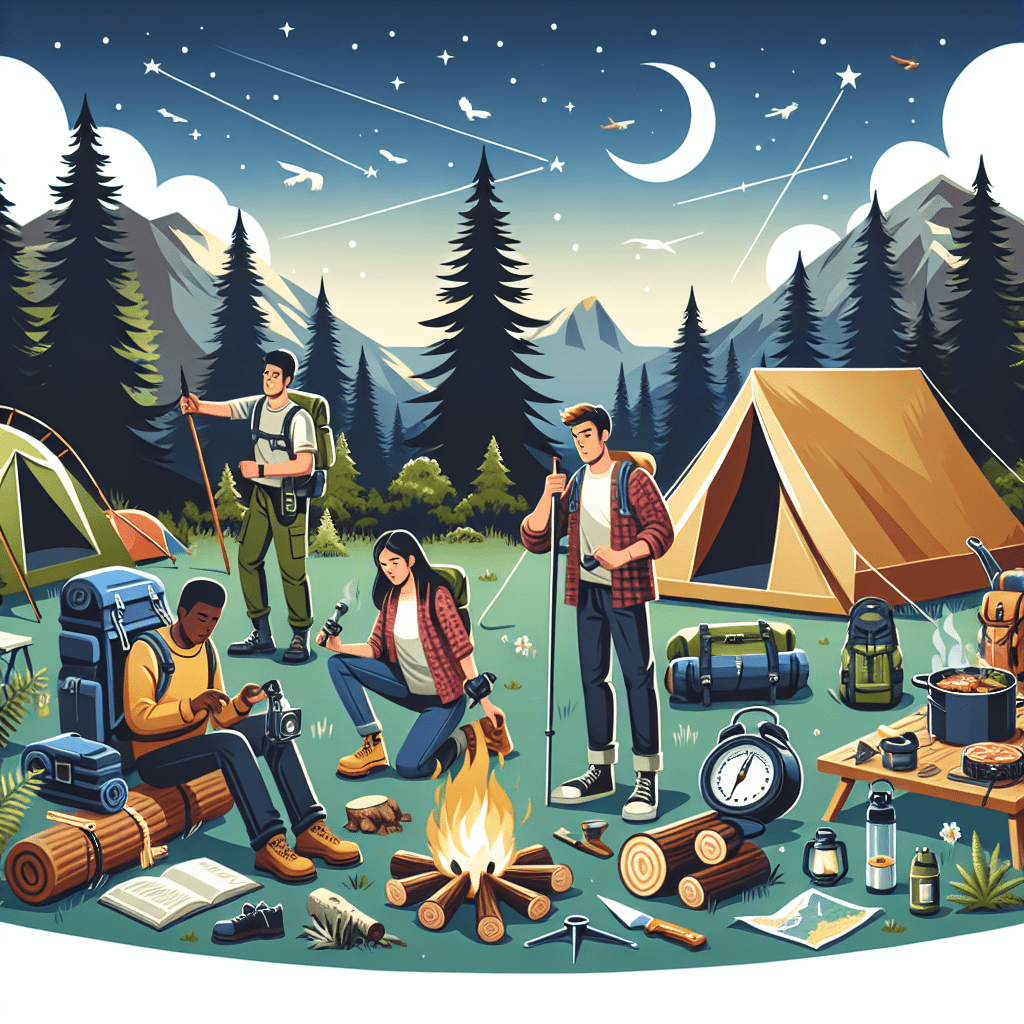

Stepping into the great outdoors can feel like embarking on an epic journey—one filled with both excitement and uncertainty. Wilderness camping offers an unparalleled opportunity to connect with nature, yet it demands a unique set of skills that every outdoor enthusiast should master. How do you prepare for the unexpected, navigate through the wild, and truly immerse yourself in the experience? In this blog post, we’ll explore the essential skills needed for wilderness camping, blending practical advice with personal anecdotes that emphasize the importance of these skills. Whether you’re a seasoned adventurer or a curious novice, you’re bound to find some actionable insights that can make your next camping trip more enjoyable.
As an outdoor enthusiast who has spent countless nights under the stars, I can tell you that being prepared is key. There are a plethora of lessons and stories I’ve gathered—from nearly getting lost in the snow to the sheer joy of finding a hidden waterfall—that will inspire you to fully embrace your next wilderness adventure.
Understanding the Terrain: Map Reading and Navigation Skills
The wilderness can be a daunting landscape if you’re unsure of your surroundings. Mastering map reading and navigation skills not only enhances your adventure but is a crucial safety measure.
Why It Matters: The Importance of Navigation
Imagine trudging through a dense forest after hours of hiking, only to realize you’ve strayed far from your intended path. It was a harrowing moment for me during a solo trip when my trusted GPS failed me, leaving only the map and compass as lifelines. Understanding how to read topographic maps and recognizing landmarks is essential for staying oriented.
Getting Started with Navigation
-
Learn to Read a Topographic Map: Familiarize yourself with the symbols, scales, and contour lines that indicate elevation changes. This knowledge will help you anticipate the terrain you’ll be traversing.
-
Practice Compass Skills: Even in a digital age, a compass can be your best friend. Start by learning the basics—how to take a bearing and orient a map to your surroundings.
-
Use Landmarks: As you navigate, always keep a lookout for recognizable landmarks. They serve as wonderful reference points that can help guide you back on track.
Anecdotal Insight
During one of my hikes in the Rocky Mountains, I stumbled upon a breathtaking view that was not marked on any map. It was the result of a wrong turn, but rather than viewing it as a misstep, I embraced the moment. I sat there, soaking in the sight of untouched wilderness, and learned that sometimes getting lost can lead to unexpected treasures if you’re equipped with the skills to find your way back.
Essential Gear for Wilderness Camping
When it comes to wilderness camping, the right equipment can mean the difference between a memorable experience and regrettable discomfort.
Gear Essentials: What You Should Pack
-
Tent and Sleeping System: Choose a suitable tent for the environment. Lightweight, waterproof options are ideal for backpacking. Pair it with a cozy sleeping bag and sleeping pad to ensure a good night’s sleep.
-
Cooking Equipment: A portable stove may be useful, but consider what you’ll be cooking. If you’re hoping to enjoy outdoor cooking, packing lightweight cookware is key.
-
Safety Gear: A first-aid kit, map, compass, and headlamp should always come along. I learned the importance of this the hard way when a minor cut in the wilderness turned into a potential issue without proper supplies.
-
Clothing: Layering is essential. Equip yourself with moisture-wicking base layers, insulating layers, and a waterproof outer layer to tackle changing weather conditions.
Anecdotal Insight
On a crisp autumn evening during a camping trip in the Adirondacks, I watched as heavy clouds rolled in, threatening rain. Thanks to the weatherproof gear I packed, including my durable tent and moisture-wicking clothing, I was able to enjoy the darkening skies instead of bracing for a downpour. That experience reinforced the value of investing in quality equipment for any outdoor enthusiast.
Mastering Survival Skills
No one plans to face survival situations, but knowing key survival skills is non-negotiable for any wilderness camper.
Key Survival Skills
-
Fire Crafting: Learning how to start a fire in various conditions can provide warmth, safety, and the ability to cook food.
-
Shelter Building: Whether it involves using your tent or creating a makeshift shelter from natural materials, learn how to protect yourself from the elements.
-
Foraging for Food: Understand basic foraging skills by studying edible plants and identifying which ones to avoid. I once made the mistake of snacking on wild berries that didn’t sit well—knowing your food is critical.
Anecdotal Insight
A blustery night stuck in the wilderness due to an unexpected storm forced my group to rely on our survival skills. Using fallen wood and leaves, we constructed a makeshift shelter. Not only did we stay dry, but we also created a spirit of camaraderie that strengthened our bonds through the challenge. It was an unforgettable experience that underscored the importance of knowing your environment and being resourceful.
Planning and Preparing for Your Trip
Preparation is the backbone of any wilderness camping adventure. Engaging in thorough planning can significantly enhance your camping experience.
Steps for Effective Trip Planning
-
Choose Your Destination: Research the area, focusing on terrain, wildlife, and any potential hazards. Understanding the local environment will help inform your gear choices.
-
Create a Packing List: Write down all essential items you’ll need. Don’t forget to include backup supplies and a personal survival kit.
-
Notify Someone: Always inform a friend or family member of your plan and expected return time. Preparedness can’t be overlooked when venturing into the wild.
Anecdotal Insight
On a memorable trip to the Redwood National Park, I took the time to plan every detail, right down to the meals for each day. This enabled me to fully immerse myself in the trip instead of worrying about what to eat next. I even discovered cherished recipes for campfire meals that have become staples in my outdoor cooking repertoire.
Key Takeaways
Wilderness camping is an enriching experience that invites you to reconnect with nature and yourself. As you prepare for your next adventure, remember:
- Master map reading and navigation skills to navigate safely through the wild.
- Pack essential gear for comfort and readiness for unexpected situations.
- Equip yourself with survival skills that can help you thrive in the wilderness.
- Plan meticulously to ensure your adventure is memorable and safe.
Embark on your own wilderness camping journey armed with these skills, and you might just discover a deeper connection to nature—just like I did on that fateful night in the mountains.
Reader Questions Answered
What is the best way to navigate while wilderness camping?
The best way to navigate is to combine map reading skills with compass use. These tools allow you to orient yourself and prevent getting lost.
How can I prepare for unexpected weather changes?
Incorporate weatherproof gear, extra layers, and a flexible itinerary into your plan. Being adaptable can help you handle sudden climate changes effectively.
What survival skills should I prioritize?
Prioritize fire-crafting, shelter building, and foraging. These skills will equip you with the tools you need to handle various survival scenarios.
FAQs
What is wilderness camping?
Wilderness camping refers to camping in natural areas that are less developed, focusing on a back-to-nature experience.
Do I need a permit for wilderness camping?
Most areas require a permit for wilderness camping. Always check local regulations to ensure compliance.
How can I stay safe from wildlife encounters?
Make noise while hiking, store food properly, and educate yourself about local wildlife to reduce risks of encounters.
Setting out into the wilderness can be daunting yet exhilarating. The skills learned and experiences gained will enrich your adventures and hopefully ignite a lifelong passion for the great outdoors.