

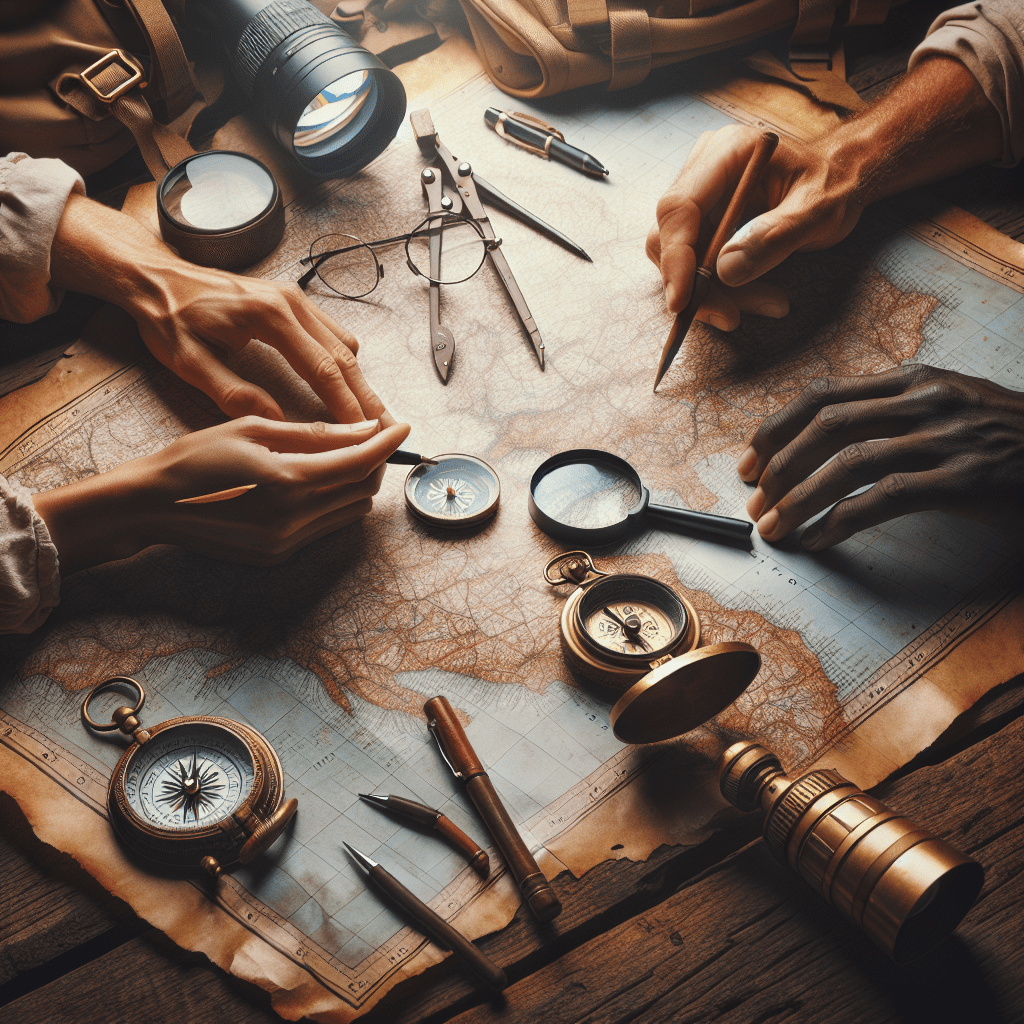

In today’s digital age, where smartphones can guide outdoor enthusiasts with the tap of a finger, many overlook a fundamental skill—map reading. Yet, mastering this ancient art is not only about getting from point A to point B; it’s about connecting deeply with your surroundings, ensuring safety, and enhancing the joy of adventure. Understanding navigational know-how is crucial—whether you’re on a serene hike or venturing into the backcountry. Let’s explore actionable steps, personal stories, and practical tips to boost your map reading skills and embrace the great outdoors with confidence.
The Importance of Map Reading Skills
The ability to read a map can mean the difference between an unforgettable adventure and a precarious situation. I recall a time when I decided to hike a new trail, fully armed with a GPS but lacking a printed map. Halfway up the mountain, my device died, leaving me stranded in unfamiliar territory. With limited daylight and no cell signal to guide me, I learned that relying solely on technology wasn’t enough. It reinforced the necessity of understanding traditional map reading—a skill that could have easily guided me home.
Understanding Different Types of Maps
When stepping into the world of navigation, understanding various types of maps is crucial. Topographic maps, for instance, offer immense detail about terrain, featuring elevation changes through contour lines, which are essential for planning your route. While I was preparing for a camping trip in the Rockies, a friend schooled me on identifying these crucial features. As we traced our path on the map, I realized how much easier it was to anticipate the steep climbs and descents, significantly mitigating our risks.
Essential Tools for Map Reading
Before embarking on your navigational journey, equipping yourself with the right tools is vital. Here are some essentials to keep on hand:
- Physical Map: Always have a high-quality, up-to-date topographic map of your area. Websites and outdoor stores often provide local maps tailored for specific trails.
- Compass: A reliable compass is indispensable. Familiarize yourself with how to use it alongside your map, ensuring that both tools work in harmony.
- Rules of Thumb: Learning the cardinal directions and how to orient your map with your surroundings is fundamental. Try standing at a landmark, determining your direction, and rotating your map to reflect your positioning.
How to Read a Topographic Map
Reading a topographic map may seem daunting, but with practice, it becomes a second language. Key elements to focus on include:
-
Contours: These lines indicate elevation. The closer the lines, the steeper the terrain. A valuable lesson I learned while hiking was that “V” shapes in contour lines signal valleys—ideal places to look for rivers or streams.
-
Scale: Understanding the scale helps gauge distances accurately. If it says 1:24,000, one inch on the map equals 24,000 inches in real life, which equates to about 2,000 feet. Having clarity on this helped us plan a shorter route during a long hike when the sun began setting quickly.
-
Legend: Maps often include a legend or key identifying symbols for trails, water bodies, and types of terrain. This can prove invaluable when you’re navigating.
Common Mistakes in Map Reading
While learning to read maps can be straightforward, we often fall prey to common pitfalls. I remember a particular group hike when we misread a map’s scale and over-prepared for a hike we thought would be significantly longer. We carried extra gear unnecessarily, leading to fatigue and sore backs—a key reminder that verifying distances and knowing your limits is just as important as the map skills themselves.
Combining GPS and Traditional Skills
In blending old and new, GPS can complement traditional map reading. However, technology should not replace your foundational skills. When backpacking through a national park, my friend relied too heavily on her GPS while hiking through thick woods. When the device malfunctioned, she was unable to navigate, whereas I could guide us back using our map and compass, emphasizing the need for balance in your navigational skills.
Key Takeaways
Mastering your navigational know-how requires practice, patience, and a willingness to learn. Equip yourself with the right tools, understand various map types, and learn to read topographical maps effectively. Avoid common mistakes, and remember that while technology is convenient, it shouldn’t overshadow the importance of traditional skills. So, before you embark on your next adventure, take the time to amass these skills and boost your confidence in the wild.
Reader Questions Answered
What should I always carry while hiking for navigation?
Always carry a physical map of the area, a reliable compass, and, if possible, a GPS device as a backup. Make sure you know how to use all three effectively.
How do I practice my map reading skills?
Start with local trails. Grab a map, plan your route, and try to navigate without digital assistance. Over time, choose more complex terrains to challenge your skills.
Are there specific map reading courses available?
Yes! Many outdoor organizations, local REI stores, and community colleges offer map reading and navigation courses. Check out local offerings to find one near you.
Frequently Asked Questions
What if my GPS fails during a hike?
Stay calm and resort to your map and compass skills. Ensure you know how to navigate without your GPS before heading out.
How can I verify the accuracy of my map?
Always check the publication date on your map. Trails and routes can change due to development or natural factors, so having an updated map is crucial.
What should I do if I get lost?
First, avoid panic. Try retracing your steps. Use your map and compass to find your bearings. If you’re unable to regain your sense of direction, it’s safer to stay put and wait for aid.
Through enhancing your navigational know-how, you can turn uncertainty into confidence and truly embrace the spirit of exploration. So gear up, trust your skills, and enjoy the wild!