

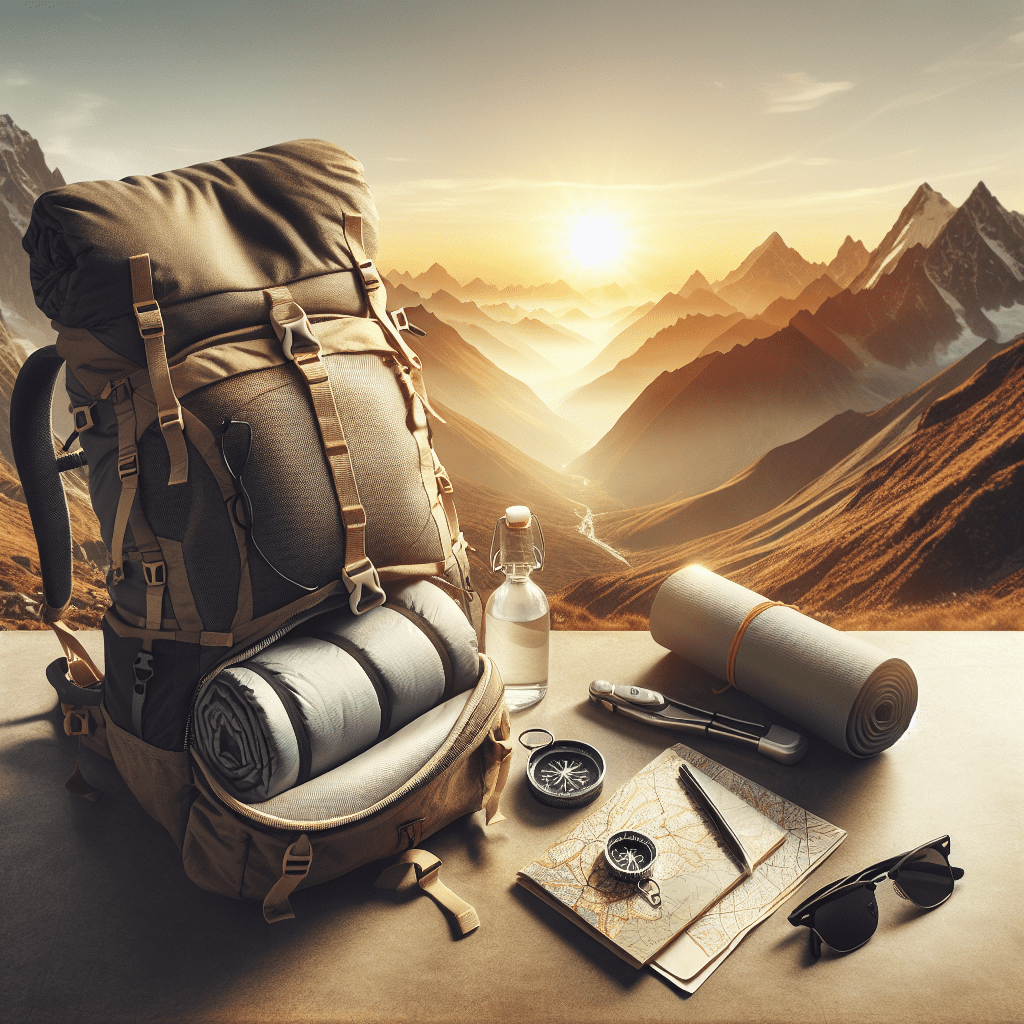

There’s a certain magic that comes with the rustling of leaves and the crackle of twigs underfoot. The thrill of venturing into the wilderness, laden with essentials, your spirit soaring. But let’s be real—nothing disrupts that bliss like an overstuffed backpack full of unnecessary gear. Ever found yourself on a trail, questioning why you brought those extra pairs of socks? “Packing light” isn’t just a trend; it’s an art form—an essential skill that any serious backpacker must master.
Why does packing light matter? Picture this: You’re miles into the wilderness, surrounded by stunning views, and yet you’re weighed down by a cumbersome load that hinders your every step. The difference between a burdensome hike and a liberating adventure often boils down to one key factor: how effectively you pack. This guide will not only provide you with actionable tips to minimize your load but will also share personal anecdotes that illustrate the transformative power of minimalism.
Understanding the Philosophy of Minimalism in Backpacking
Minimalism doesn’t simply refer to less gear; it’s about choosing quality over quantity. Think of it this way: Each item you pack should serve a specific purpose. During my first solo hike in the Rockies, I was overwhelmed by choices. Climbing the steep slopes, I struggled under the weight of a bulky tent that I’d only used once. After that trip, I learned that minimalism helps you focus on what truly enhances your experience.
The Key Benefits of Packing Light
-
Enhanced Mobility
- A lighter pack means greater agility on the trail. I vividly remember navigating a rugged mountain pass, burdened by unnecessary gear. The moment I streamlined my pack, I felt a renewed sense of freedom. Suddenly, I wasn’t just hiking—I was dancing through nature.
-
Increased Comfort
- Less weight translates to reduced strain on your back and shoulders. On my latest venture to the Appalachian Trail, I broke the five-pound mark for my base weight. The difference was astounding; I marveled at how easily I could reach for my water bottle during breaks without contorting myself into awkward positions.
-
Greater Connection to Nature
- When you shed unnecessary gear, your senses sharpen. I recall a stunning evening when I’d packed my bag with the utmost care, leaving behind anything superfluous. As I set up my minimalist camp, surrounded by only what I needed, I could truly soak in the serenade of a nearby stream.
Essential Steps to Master Packing Light
Evaluate Your Gear
Before you set out on your next adventure, examine your gear closely. Ask yourself: “Does this serve a purpose?” During one of my multi-day treks, I painstakingly listed every item I carried. Surprisingly, I identified five things I hadn’t even touched. That knowledge was invaluable for future trips.
Choose Versatile Equipment
Invest in multi-functional gear. For example, a sleeping bag liner can double as a lightweight sleeping solution on mild nights and a comfort layer during colder temperatures. When I hiked in Patagonia, my 2-in-1 jacket not only kept me warm but transformed into a rain cover, saving me precious space in my pack.
Prioritize Lightweight Materials
Gear technology has evolved significantly. Opt for materials like Dyneema or titanium when choosing your equipment. I swapped my traditional metal stove for a titanium version, cutting my cook kit’s weight in half. The hot meals were worth every ounce saved, especially when perched atop a mountain enjoying the sunset.
Plan Your Meals Strategically
Food can be one of the weightiest aspects of backpacking. Invest time in meal planning to optimize your food’s nutritional value while minimizing weight. I discovered dehydrated meals that offered both flavor and ease; no more carrying heavy cans of beans. With careful planning, I could fit all my meals for a week into a single lightweight pouch—a game-changer for multi-day hikes.
Practical Packing Tips for Backpackers
The Power of Compression Sacks
Use compression sacks for your sleeping bags and clothing. They not only save space but also help you manage different types of gear separate from each other. I once found a compression sack that helped compress my bulky down jacket down to the size of a grapefruit, allowing additional room for essentials.
Use the “Three-Season” Concept
When packing, adhere to a three-season mindset: light, medium, and heavy. Tailor your packing list based on the expected weather. For instance, I learned the hard way that packing a heavy winter coat for a moderate spring hike was not only inefficient but also weighed my morale down.
Packing Order Matters
Pack heavier items closest to your back to help maintain balance. Arrange your gear thoughtfully—where the items you’ll need most frequently are easily accessible. On one hike, I packed my emergency kit toward the bottom, burying it under layers of clothing. It wasn’t until a sudden downpour that I realized the error.
Key Takeaways: The Joy of Traveling Light
Mastering the art of packing light transforms your backpacking experience. It enhances your movements, fosters a deeper connection with nature, and empowers you to embrace the unexpected. So, the next time you prepare for your adventure, challenge yourself to leave behind what you don’t need, making space for the memories you’ll create.
Reader Questions Answered
What is the best way to determine what to pack for my hike?
Assess the length of your trip, expected weather, and specific needs. Create a list based on these variables. After careful evaluation, you’ll find gear that fulfills multiple needs.
How do I handle packing food for longer hikes?
Plan meals that are lightweight and have high nutritional value. Dehydrated meals or energy-dense snacks work wonders. I often turn to trail mixes packed with nuts and dried fruits—they’re lightweight and packed with energy.
Can I pack light for a family backpacking trip?
Absolutely! Involve everyone in the packing process, focusing on versatility and shared equipment. Consider collective sleeping gear for comfort and warmth; it not only fosters bonding but also lightens individual loads.
FAQs
What is the average weight for a backpacking pack?
For multi-day hikes, aim for a base weight between 20-30% of your body weight, including all essentials.
How can I pack my backpack more efficiently?
Use packing organizers and keep frequently used items near the top. Compression sacks for clothes and sleeping bags significantly improve space management.
Are there specific packing techniques for winter hiking?
Winter hiking often requires specialized gear that may be bulkier. Focus on layering for clothing, packing each layer strategically to maintain balance and functionality.
Packing light isn’t merely a trend; it’s an invitation to experience nature in its fullest glory. Next time you lace up your boots, remember that freedom often lies not in how much you carry but in how little you need. Embrace the challenge of minimalism and transform your backpacking adventures forever.