

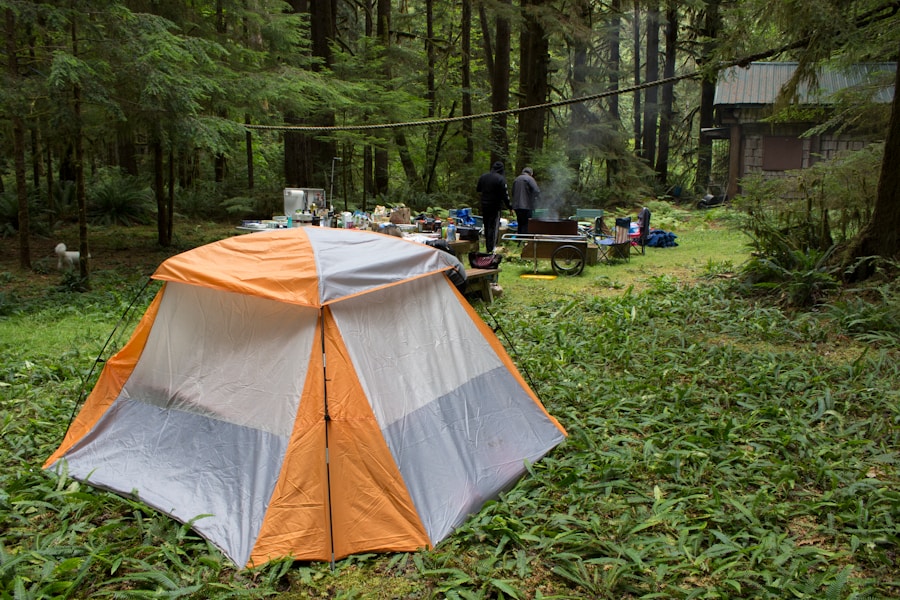

When it comes to camping, one of the most critical decisions you will make is choosing a safe campsite. The location you select can significantly impact your overall experience, so it’s essential to consider various factors that contribute to safety. First and foremost, look for established campsites that are well-maintained and have a good reputation.
These sites often have designated areas for tents and RVs, which are typically cleared of hazards like sharp rocks or fallen branches. Additionally, established campsites usually have access to amenities such as restrooms and potable water, which can enhance your comfort and safety during your stay. Another important aspect to consider is the proximity to natural hazards.
Avoid setting up camp near cliffs, rivers, or areas prone to flooding. Instead, opt for flat ground that is at least 200 feet away from any water source. This distance not only minimizes the risk of flooding but also helps keep your campsite dry and free from insects that are often attracted to standing water.
Furthermore, pay attention to the surrounding environment; look for signs of wildlife activity, such as tracks or droppings, and steer clear of areas that show evidence of bear or other large animal presence. By taking these precautions, you can ensure a safer camping experience. I found the perfect camping tent for our trip at https://amzn.to/43QJ0Uy.
Packing Essential Safety Gear
Packing the right safety gear is crucial for any camping trip. Before you head out, make a checklist of essential items that will help you stay safe in the wilderness. First on your list should be a first aid kit.
A well-stocked first aid kit should include bandages, antiseptic wipes, pain relievers, and any personal medications you may need. It’s also wise to include items like tweezers for splinters and insect bites, as well as a snake bite kit if you’re camping in areas where snakes are common. Having these supplies on hand can make a significant difference in case of minor injuries or emergencies.
In addition to a first aid kit, consider packing a multi-tool or knife. These versatile tools can be invaluable for various tasks, from preparing food to making repairs on your gear. A reliable flashlight or headlamp is also essential for navigating your campsite after dark.
Don’t forget extra batteries! In case of an emergency, having a whistle can be a lifesaver; it allows you to signal for help without exhausting yourself by shouting. Lastly, ensure you have a map and compass or a GPS device to help you navigate unfamiliar terrain.
Being prepared with the right safety gear can give you peace of mind and allow you to focus on enjoying your camping adventure.
Setting Up Camp Safely
Once you’ve chosen your campsite and packed your safety gear, the next step is setting up camp safely. Start by selecting a flat area free from debris and potential hazards like overhanging branches or sharp rocks. This will not only provide a comfortable sleeping surface but also reduce the risk of injury while moving around your campsite.
When pitching your tent, make sure it is securely anchored to withstand wind and rain. Use stakes and guylines effectively to ensure stability, especially if you’re camping in an area known for unpredictable weather. After setting up your tent, create a designated cooking area away from your sleeping quarters.
This separation minimizes the risk of fire hazards and keeps food odors away from your tent, which can attract wildlife. Use a portable stove or grill for cooking instead of an open flame, as this reduces the risk of accidental fires. Always keep flammable materials away from your cooking area and ensure that you have a fire extinguisher or a bucket of water nearby in case of emergencies.
By taking these precautions while setting up camp, you can create a safe environment that allows you to relax and enjoy the great outdoors.
Fire Safety
Fire safety is paramount when camping, as campfires can quickly become dangerous if not managed properly. Before starting a fire, check local regulations regarding open flames; some areas may have restrictions due to dry conditions or fire bans. If fires are permitted, choose a designated fire pit if available, as this helps contain the flames and reduces the risk of wildfires.
Clear the area around the fire pit of any flammable materials such as leaves, twigs, or grass to create a safe buffer zone. When building your fire, use dry wood and kindling to ensure it ignites easily but burns steadily without excessive smoke. Never leave your fire unattended; always have someone monitoring it while it’s burning.
When it’s time to extinguish the fire, do so completely by pouring water over it until all embers are cool to the touch. Stir the ashes with a stick to ensure no hot spots remain hidden beneath the surface. Practicing proper fire safety not only protects you and your campsite but also helps preserve the natural environment around you.
Wildlife Safety
Encountering wildlife can be one of the most thrilling aspects of camping, but it also comes with its own set of safety concerns. To minimize risks associated with wildlife encounters, it’s essential to understand how to coexist peacefully with nature’s inhabitants. First and foremost, store food securely in bear-proof containers or hang it from trees at least 10 feet off the ground and 4 feet away from the trunk.
This practice helps prevent animals from being attracted to your campsite by food odors. Additionally, educate yourself about the wildlife in the area where you’ll be camping. Knowing what animals are common can help you prepare for potential encounters.
For example, if you’re camping in bear country, familiarize yourself with bear behavior and how to react if you see one. Make noise while hiking to avoid surprising animals and always keep a safe distance if you spot wildlife. Remember that feeding animals is not only dangerous but also illegal in many areas; it disrupts their natural foraging behavior and can lead to aggressive encounters.
By respecting wildlife and taking precautions, you can enjoy observing nature while keeping yourself safe.
Emergency Preparedness
No one wants to think about emergencies while camping, but being prepared can make all the difference in critical situations. Start by informing someone about your camping plans before you leave—share details about where you’ll be going and when you expect to return. This way, if something goes wrong, someone will know where to look for you.
Additionally, consider carrying a satellite phone or personal locator beacon (PLB) if you’re heading into remote areas where cell service may be unreliable. In case of an emergency, having a plan in place is essential. Familiarize yourself with basic first aid procedures and know how to contact emergency services if needed.
Keep important phone numbers written down in case your phone dies or gets lost. It’s also wise to pack an emergency blanket and extra food supplies in case you get stranded or delayed during your trip. By preparing for emergencies ahead of time, you can ensure that you’re ready for anything that comes your way while enjoying the great outdoors.
In conclusion, camping can be an incredibly rewarding experience when approached with safety in mind. From choosing a safe campsite to packing essential gear and understanding wildlife safety, each step plays a vital role in ensuring your adventure is enjoyable and secure. Remember that preparation is key; by taking the time to plan ahead and equip yourself with knowledge and tools, you’ll be able to focus on creating lasting memories in nature.
Share your thoughts or experiences in the comments below—what safety tips do you find most helpful when camping?
FAQs
What are some general summer camping safety precautions?
Some general summer camping safety precautions include staying hydrated, protecting yourself from the sun, being aware of wildlife, and following fire safety guidelines.
How can I stay hydrated while camping in the summer?
To stay hydrated while camping in the summer, it’s important to drink plenty of water throughout the day, especially if you’re engaging in physical activities. Avoid excessive alcohol and caffeine consumption, as they can contribute to dehydration.
What are some tips for protecting myself from the sun while camping in the summer?
To protect yourself from the sun while camping in the summer, wear sunscreen with a high SPF, wear a wide-brimmed hat and sunglasses, seek shade during the hottest parts of the day, and wear lightweight, breathable clothing that covers your skin.
How can I be aware of wildlife while camping in the summer?
To be aware of wildlife while camping in the summer, familiarize yourself with the types of wildlife in the area, store food and trash properly to avoid attracting animals, and follow any guidelines or regulations provided by the campground or park.
What are some important fire safety guidelines to follow while camping in the summer?
Some important fire safety guidelines to follow while camping in the summer include checking for any fire restrictions in the area, keeping a bucket of water and a shovel nearby when building a campfire, never leaving a campfire unattended, and fully extinguishing the fire before leaving the campsite.