

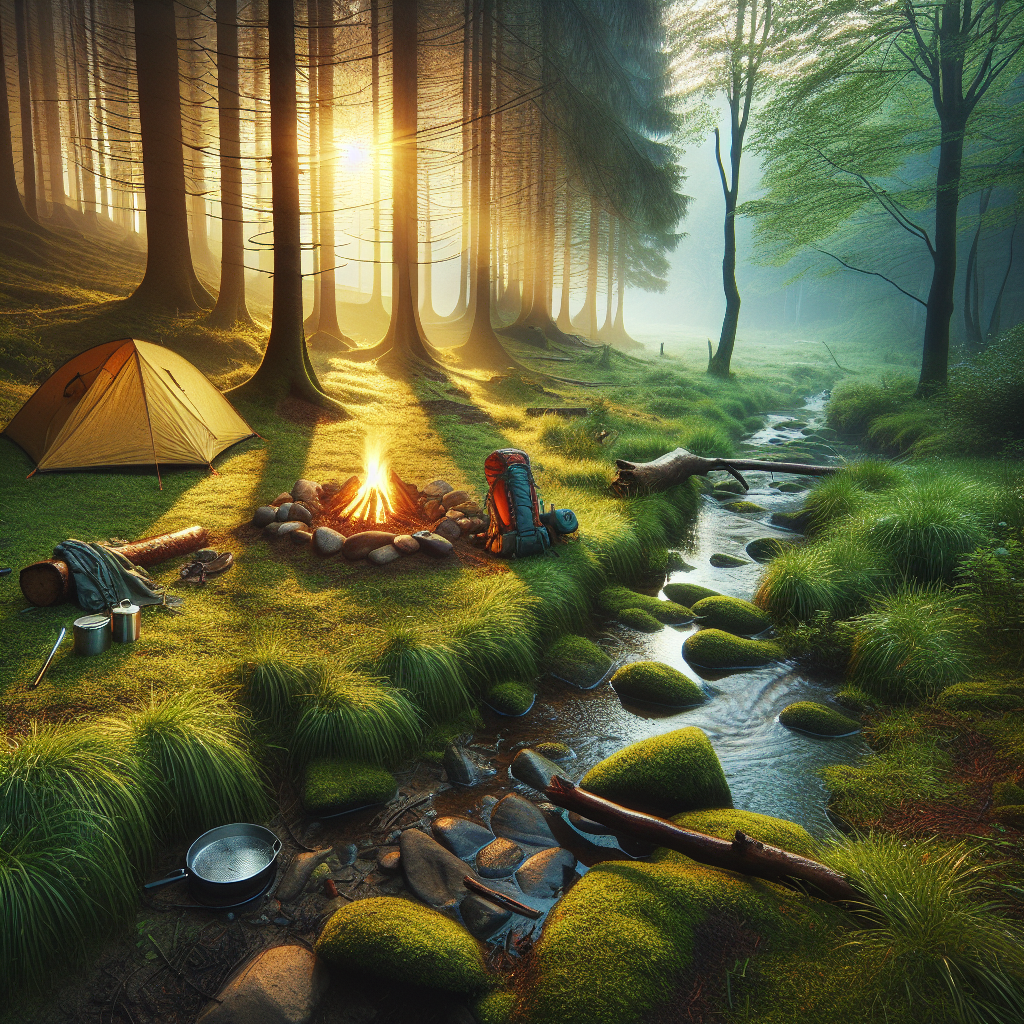

Have you ever felt the allure of solitude whispering your name as you gaze upon a vast expanse of untouched wilderness? Solo camping offers a unique opportunity to connect with nature and discover yourself, all while relishing in the sweet silence of the great outdoors. Imagine waking up to the gentle rustling of leaves, the world entirely your own, and a peace that seems to envelop you.
For many outdoor enthusiasts, the solitude of solo camping is not just an adventure; it’s a journey into self-discovery. Whether you’re a seasoned camper or a curious newbie, stepping into the wild alone can be a transformative experience filled with lessons, laughter, and unforgettable moments. This isn’t just about setting up a tent and roasting marshmallows over a campfire—it’s about finding your rhythm in nature and learning to embrace the vastness of the world around you.
Why do so many people rave about solo camping? It’s not just about getting away from the daily grind; it’s about embracing the tranquility that comes when you strip away distractions and immerse yourself in the beauty of the natural world. In this blog post, we will guide you through essential tips for a successful solo camping trip while sharing anecdotes and insights that highlight the beauty of this unique outdoor experience.
Preparing for Your Solo Camping Adventure
Choosing the Right Destination
The location of your solo camping trip can make or break your experience. Look for a site that suits your comfort level and interests. Whether it’s the majestic mountains, lush forests, or serene lakesides, select a place that inspires you.
During my first solo outing, I spent hours researching various campgrounds in the Cascade Mountains. After picking a lesser-known site away from the crowds, I found not only the peacefulness I craved but also the breathtaking beauty of the surroundings—a hidden waterfall became my daily meditation spot. Choosing the right destination can significantly impact both your safety and enjoyment.
Planning Your Gear Essentials
Solo camping requires careful planning regarding your gear. Start with the basics: a durable tent, a reliable sleeping bag, cooking equipment, and proper clothing for the weather conditions.
When I embarked on a chilly autumn trip, I underestimated the importance of warmth. My trusty down sleeping bag became a lifesaver as night temperatures dropped. I also learned the value of packing quality gear over quantity; a lightweight, compact stove turned out to be a game changer for cooking quick meals while taking up minimal space in my backpack.
Navigating Challenges Alone
Overcoming Fear and Anxiety
It’s normal to feel apprehensive about going solo, especially if you’re used to camping with friends. The key is to face these fears head-on. Acknowledge your anxiety, but don’t let it overpower you.
On a particularly dark night, I found myself jumpy at every sound of nature. Instead of succumbing to fear, I embraced the experience by lighting a crackling campfire and journaling under the stars. This helped to shift my focus from fear to appreciation, transforming an anxious moment into a beautiful memory.
Dealing with Emergencies
Every solo camper should have a plan for emergencies. Familiarize yourself with basic first aid techniques and consider carrying a first aid kit.
Once, during a hike, I twisted my ankle. Luckily, I had a basic first aid kit and a whistle on hand. By ensuring someone knew my itinerary and expected return time, I managed to hobble back to my campsite for proper rest. It’s crucial to have a plan in place that accounts for unexpected situations.
Embracing Solitude and Connection
Finding Peace in Nature
The magic of solo camping lies in the solitude and connection to nature. Take the time to observe your surroundings—listen to the birds, breathe in the fresh air, and watch the clouds dance overhead.
One serene morning, while sipping coffee beside a tranquil lake, I witnessed a majestic deer gracefully approaching the water’s edge. That moment not only anchored me in nature but made me appreciate the delicate web of life that thrives around us. These tiny yet monumental encounters remind us of the gifts nature offers to those willing to slow down.
Connecting with Yourself
The journey isn’t just about the external environment; it’s also about forging a deeper relationship with yourself. Reflect on your thoughts, aspirations, and experiences.
During my solo trip, I took time each evening to reflect on my day’s adventures under the glow of the campfire. Those moments of introspection yielded profound insights and allowed me to tackle personal challenges with a fresh perspective. It’s empowering to carve out time to listen to your own thoughts in the quiet of nature.
Wrap-Up / Key Takeaways
Solo camping can be an incredibly rewarding experience, filled with opportunities for personal growth and connection with the environment. Remember to choose the right destination, gear up wisely, face your fears, and cherish the solitude. Embrace every moment, whether it’s peaceful or challenging, as part of your unique adventure.
As you prepare for your solo expedition, remind yourself that each step into the wild is not just a physical journey but also a journey into yourself. Now, pack your gear and set forth into the great outdoors—the adventure of a lifetime awaits you!
Reader Questions Answered
What should I pack for a solo camping trip?
Packing efficiently is crucial; bring essential gear like a tent, sleeping bag, food, first aid kit, and navigation tools. Pack light but ensure you have everything you need for safety and comfort.
Is solo camping safe?
While solo camping can be safe, it’s important to inform someone of your plans, choose well-trafficked areas, and stay aware of your surroundings. Preparation is key to ensuring a safe experience.
How do I handle loneliness while camping alone?
Embrace the solitude by engaging with your environment—read, journal, or explore nature. Make it a time of self-reflection and creativity to combat feelings of loneliness.
FAQs
Can beginners go solo camping?
Absolutely! With proper planning, beginners can enjoy solo camping. Start with easy trails and campsites to build confidence.
What’s the best time for solo camping?
Spring and early fall offer mild weather, fewer bugs, and less crowded campsites, making them ideal for solo adventures.
Do I need special gear for solo camping?
While you can use traditional camping gear, consider lightweight and compact alternatives to make your experience easier and more enjoyable.
With a little preparation and the right mindset, solo camping can be an unforgettable experience that opens up new horizons in your relationship with nature and yourself. Embrace the solitude, and happy camping!