

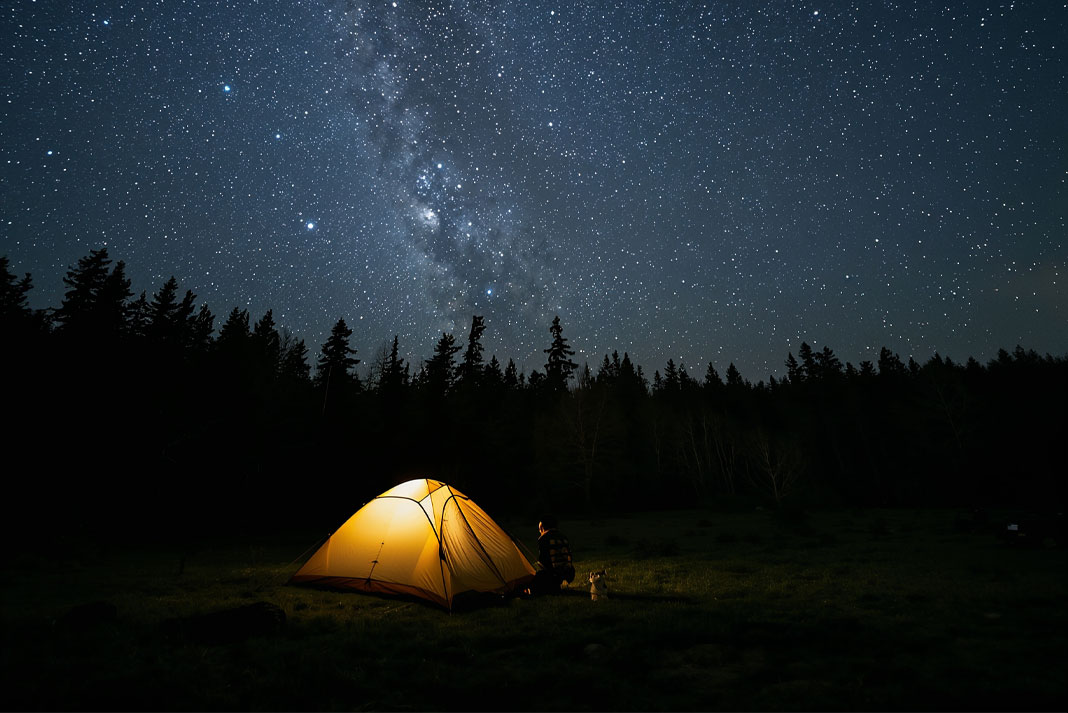

The crackle of a campfire surrounds you like a warm embrace, casting flickering shadows on the pine-clad canvas of your wilderness camping getaway. As you lean back, a blanket of stars unfolds above—twinkling diamonds scattered across the vast expanse of the night sky. Have you ever wondered about the magic of stargazing while camping? Why does it evoke such a sense of wonder and connection to nature?
Stargazing is an exquisite blend of science and serenity, especially when you’re immersed in the tranquility of the wilderness. It invites us to ponder the universe’s mysteries while fostering an appreciation for our extraordinary planet. Whether you’re a seasoned outdoor enthusiast or a curious beginner, the thrill of identifying constellations while basking in the quietude of the great outdoors is indeed transformative.
In this post, we’ll embark on a journey through the best practices and tips for stargazing during wilderness camping trips, infused with personal stories that illustrate why you should take a moment to lift your head and gaze upward.
Understanding the Importance of Stargazing in Wilderness Camping
Camping is often seen as a chance to disconnect from the rigors of daily life, but stargazing elevates that experience to another level. Companies may try to sell you gadgets meant to abstract you from nature, yet nothing is more liberating than lying on your back, face to face with the cosmos. Stargazing allows you to contemplate your place in this vast universe, making your wilderness camping experience feel deeper and more meaningful. During a starlit night a few years back, I found myself lying on a granite outcrop in the Sierra Nevada, mesmerized by the Milky Way stretching out above me. My troubles felt insignificant against the cosmic panorama, teaching me that sometimes, we need to look up to truly find ourselves.
The Best Conditions for Stargazing
As any experienced outdoor adventurer knows, not all nights are created equal. The beauty of stargazing relies heavily on the conditions around you.
-
- Select the Right Location: Choose a camping spot far from city lights or any form of light pollution. National parks and designated dark sky areas often provide the best environments.
-
- Timing Matters: Late spring through early fall generally presents the clearest skies. Check the moon’s phase, too; a new moon night is ideal for spotting fainter celestial objects.
-
- Weather Check: Cloudy nights drown out the stars, so be sure to consult the weather forecast. You want a clear sky without storms on the horizon.
During one particularly memorable camping trip in Joshua Tree National Park, we set our sights on the brilliant night sky, only to be greeted by unexpected clouds rolling in. After hours of waiting and disappointment, the cloud cover parted just enough for a spectacular view of shooting stars. Patience rewarded us, reminding me that sometimes the best experiences come after moments of uncertainty.
Gear Essentials for Stargazing
While the grandeur of the night sky is free for all to enjoy, having the right gear can significantly enhance the experience.
-
- Binoculars or a Telescope: Although the naked eye is sufficient for many delights, a good pair of binoculars or a telescope can reveal more intricate wonders.
-
- Star Maps and Apps: Use stargazing apps or printed star maps to help classify stars, constellations, and planets. An app like SkySafari created a magical moment for me when I was able to pinpoint Saturn’s rings with a quick tap on my phone.
-
- Comfortable Blanket or Chair: You’ll want to get cozy, so pack a portable chair or blanket for lying down. The more comfortable you are, the longer you’ll want to stay under the stars.
-
- Red Light Lantern: Red lighting helps preserve your night vision while illuminating your space. It’s a camper’s best friend when rummaging through gear or reading.
Techniques to Enhance Your Stargazing Experience
Stargazing is an art, and with a few techniques, you can create a more enriching experience.
-
- Meditative Practices: Consider practicing mindfulness or meditation under the stars. This enhances not just observation but also an emotional connection to the universe.
-
- Journaling Your Experience: Carry a journal to document what you see. Reflect on your thoughts during your stargazing sessions, jotting down any feelings or insights you gain. During my last trip, I made a habit of sketching constellations, which deepened my appreciation as I learned the stories behind them.
-
- Photography: For those interested in capturing the moment, bring a camera with a tripod and explore night photography. Long exposures can result in breathtaking images of the night sky showing the Milky Way in all its glory.
Emotional and Spiritual Connection to Stargazing
Beyond the technicalities, there’s a profound emotional aspect tied to stargazing. Many outdoor enthusiasts experience feelings of awe and wonder that can even be spiritual.
During one early summer night by a peaceful lake, I found myself gazing into the reflection of stars dancing on the water’s surface. There, a tide of gratitude washed over me for the natural beauty surrounding us. It feels as though the cosmos invites us to dream, reflect, and ultimately connect—to each other and the broader universe.
Key Takeaways for Stargazing During Wilderness Camping
Stargazing is more than just pointing out constellations; it’s an adventure filled with education, reflection, and wonder. Here’s a recap of our journey through this magical experience:
-
- Choose the Right Environment: Find a location free from light pollution and check the weather for optimal conditions.
-
- Prepare with the Right Gear: Equip yourself with the essential tools, like binoculars, apps, and a cozy blanket.
-
- Adopt Techniques for a Deeper Experience: Engage in mindfulness practices, document your observations, or even explore astrophotography.
-
- Connect Emotionally: Embrace the feelings of awe and gratitude that come from witnessing the universe’s beauty.
Reader Questions Answered
Q1: What’s the best time of year for stargazing while wilderness camping?
A: Late spring through early fall typically offers the clearest skies, and a new moon night is best for spotting celestial objects without light interference.
Q2: How can I minimize light pollution during a camping trip?
A: Choose remote camping locations, avoid areas near cities, and plan your stargazing activities around new moon phases for optimal visibility.
Q3: Do I need special equipment to enjoy stargazing?
A: While the naked eye suffices for many celestial wonders, binoculars or a telescope, stargazing apps, and red light lamps can enhance your experience.
Frequently Asked Questions
Q1: Can I go stargazing if I’m camping in a national park?
Absolutely! National parks often have designated dark sky areas, making them ideal for stargazing.
Q2: Is it safe to stargaze at night in the wilderness?
Yes, but always take precautions. Stay in well-marked areas, inform someone of your plans, and carry necessary gear for safety.
Q3: What should I bring for stargazing?
Consider packing a blanket, binoculars, star maps, and a red light lantern to maintain your night vision.
Embrace the magic of stargazing during your next wilderness camping trip. Allow the stars to inspire and ground you, reminding us all that we are part of something much larger. So grab your gear, head outdoors, and get lost in the wonders above—you won’t regret it!