

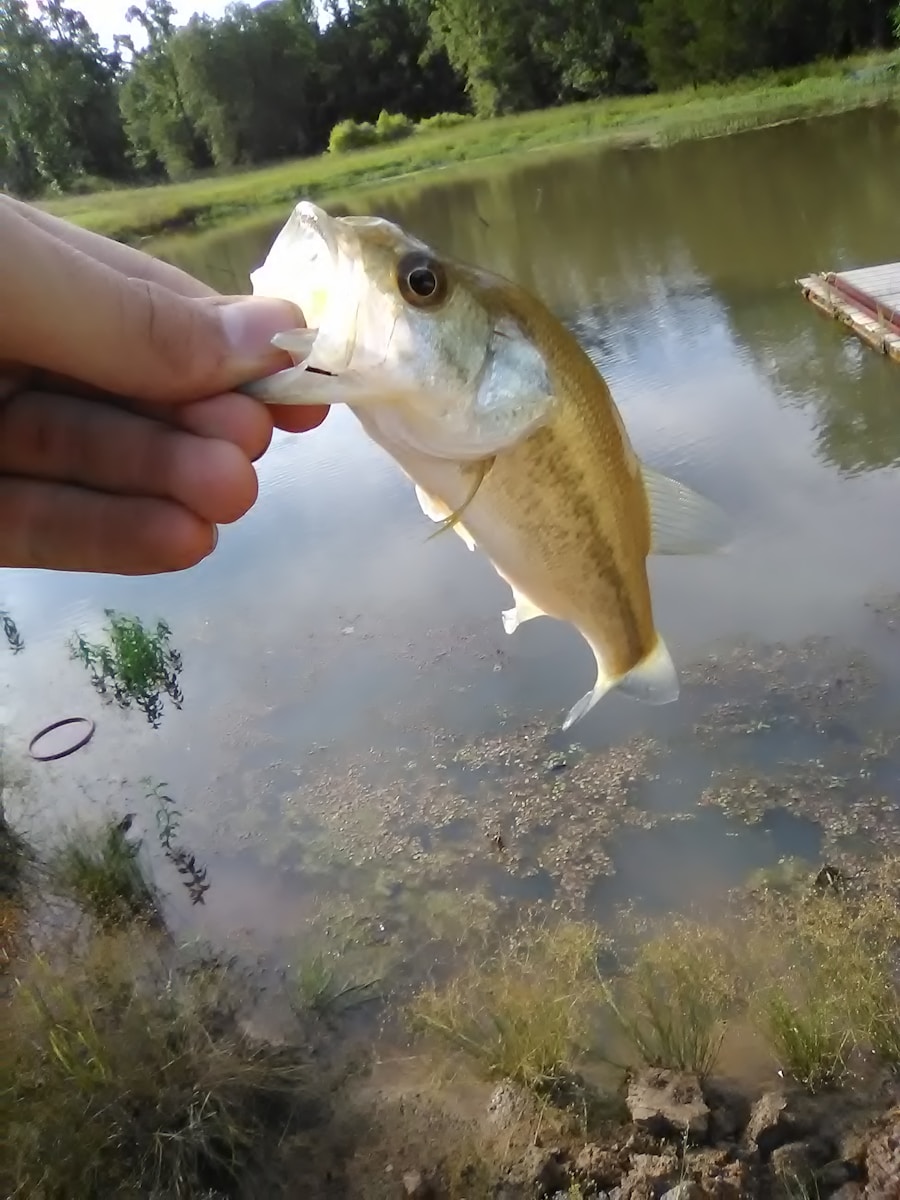

Summer is a transformative season for bass in river systems, as water temperatures rise and environmental conditions shift. During this time, bass become more active, driven by the need to feed and reproduce. As the water warms, typically reaching temperatures between 70°F and 85°F, bass exhibit distinct behavioral patterns that anglers must understand to improve their chances of success.
In rivers, the current plays a significant role in shaping these behaviors. Bass often seek refuge from strong currents in eddies, behind rocks, or in submerged structures where they can ambush prey with minimal energy expenditure. In addition to seeking shelter, summer bass are also influenced by the availability of food sources.
As the aquatic ecosystem thrives in warmer temperatures, baitfish such as shad and minnows become more abundant. This abundance leads bass to adopt a more aggressive feeding strategy, often resulting in increased surface activity. Anglers should pay attention to the time of day; early mornings and late evenings are prime feeding times when bass are more likely to venture into shallower waters to hunt.
Understanding these patterns allows anglers to tailor their strategies effectively, increasing their chances of landing a trophy-sized catch. Check out this amazing bass lure at https://amzn.to/42i6HnE.
Choosing the Right Equipment for Summer Bass Fishing
Selecting the appropriate gear is crucial for successful summer bass fishing in rivers. The choice of rod and reel can significantly impact an angler’s ability to present lures effectively and handle the powerful runs of summer bass. A medium to medium-heavy spinning or baitcasting rod, typically ranging from 6 to 7 feet in length, provides the necessary sensitivity and backbone for detecting bites and reeling in larger fish.
Pairing this with a quality reel that has a smooth drag system is essential, as summer bass can put up a fierce fight, especially when they are in peak condition. Line selection is another critical aspect of equipment choice. Monofilament lines offer good stretch and buoyancy, making them suitable for topwater lures, while braided lines provide superior strength and sensitivity, ideal for fishing in heavy cover or fast-moving water.
Fluorocarbon lines are often favored for their low visibility underwater, making them an excellent choice for clear river conditions. Anglers should also consider the type of lures they plan to use; having a diverse tackle box that includes topwater plugs, crankbaits, jigs, and soft plastics will allow for adaptability based on the specific conditions encountered on the river.
Identifying the Best Locations for Summer Bass Fishing in Rivers
Finding the right spots to fish for summer bass in rivers requires a keen understanding of the river’s structure and flow patterns. Key locations include areas where the current slows down, such as behind boulders, submerged logs, or along the edges of weed beds. These spots not only provide shelter for bass but also create ambush points where they can easily target unsuspecting prey.
Additionally, river bends and confluences where two streams meet often serve as productive fishing grounds due to the increased nutrient flow and habitat diversity. Another important factor to consider is water temperature variation within the river system. Bass tend to gravitate towards areas where cooler water enters the main flow, such as tributaries or springs.
These cooler pockets can be particularly effective during the hottest parts of the day when bass seek refuge from rising temperatures. Furthermore, anglers should pay attention to seasonal changes in vegetation; areas with abundant aquatic plants can attract baitfish and provide cover for bass, making them prime locations for fishing during the summer months.
Techniques for Luring Bass in River Environments
Employing effective techniques is essential for enticing summer bass in river environments. One popular method is using topwater lures during early morning or late evening hours when bass are actively feeding near the surface. Lures such as poppers or walking baits can create enticing splashes and commotion that draw bass out from their hiding spots.
The key is to retrieve these lures with varying speeds and pauses to mimic the erratic movements of injured prey, which can trigger aggressive strikes. In addition to topwater techniques, anglers should also consider using subsurface lures like crankbaits or swimbaits that can be worked at different depths. When fishing in deeper sections of the river or around submerged structures, a slow and steady retrieve can be effective in enticing bass that are holding close to the bottom.
Jigs tipped with soft plastics can also be particularly effective when fished around cover; allowing them to sink and then slowly dragging them along the bottom can provoke strikes from bass hiding in ambush positions.
Dealing with Summer Conditions and Challenges
Summer fishing presents unique challenges that anglers must navigate to be successful. High temperatures can lead to lower oxygen levels in the water, which may cause bass to become lethargic during the hottest parts of the day. To combat this, anglers should plan their fishing trips during cooler times of day—early mornings or late evenings—when bass are more likely to be active.
Additionally, understanding how weather patterns affect fish behavior is crucial; overcast days can lead to increased feeding activity as bass feel more secure venturing into shallower waters. Another challenge during summer months is increased boat traffic and recreational activities on rivers, which can create noise and disturbances that may spook fish. Anglers should be mindful of their approach and try to minimize noise while casting.
Using stealthy techniques such as wading into shallow areas or using a kayak can help anglers access less pressured spots while avoiding disturbances caused by larger boats. Furthermore, being aware of local regulations regarding fishing seasons and limits is essential for responsible angling during busy summer months.
Conservation and Ethical Practices for Summer Bass Fishing in Rivers
Responsible Catch-and-Release Practices
One key practice is adhering to catch-and-release guidelines, especially during spawning seasons when bass are more vulnerable. By carefully handling fish and minimizing their time out of water, anglers can significantly increase their chances of survival after being released. Using barbless hooks can also facilitate easier release and reduce injury to fish.
Environmental Awareness
In addition to responsible catch-and-release practices, anglers should also be conscious of their environmental impact while fishing in rivers. This includes properly disposing of trash and fishing line to prevent pollution and harm to wildlife.
Preserving River Environments
Educating oneself about local ecosystems and participating in conservation efforts—such as habitat restoration projects or clean-up events—can further contribute to preserving river environments for future generations of anglers. By fostering a culture of respect for nature and its resources, anglers can ensure that summer bass fishing remains a sustainable activity that benefits both fish populations and the broader ecosystem.