

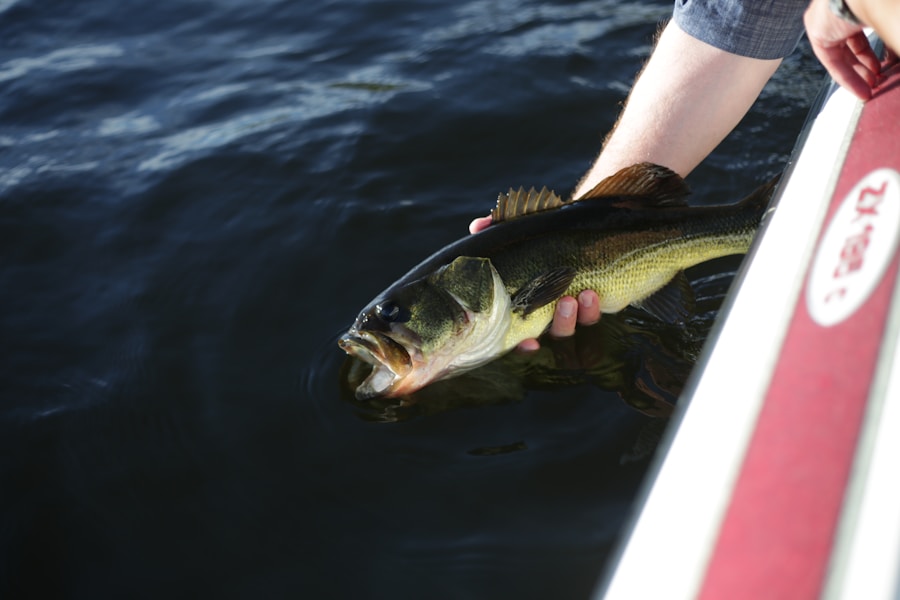

As temperatures rise during the summer months, the behavior of bass undergoes significant changes that anglers must understand to improve their chances of success. Bass are ectothermic creatures, meaning their body temperature is regulated by the surrounding environment. As water temperatures increase, typically ranging from 70°F to 85°F, bass become more active and aggressive in their feeding habits.
This heightened activity is often linked to their biological rhythms, which dictate feeding patterns based on factors such as light levels, water temperature, and the availability of prey. During summer, bass tend to seek out cooler, more oxygenated waters. They often gravitate towards structures such as submerged rocks, fallen trees, and weed beds, which provide both shade and ambush points for hunting.
Understanding these preferences is crucial for anglers. For instance, while some bass may remain in deeper waters during the heat of the day, others will move into shallower areas during early morning or late evening when temperatures are more moderate. Recognizing these patterns allows anglers to adjust their strategies accordingly, targeting specific locations where bass are likely to be found. Check out this amazing bass lure at https://amzn.to/42i6HnE.
Targeting Shallow Waters
In the summer months, shallow waters become prime real estate for bass fishing. As the sun rises and temperatures soar, many bass will move into these areas to take advantage of the cooler water and abundant food sources. Shallow waters often teem with baitfish and other prey, making them attractive hunting grounds for bass.
Anglers should focus on areas with ample cover, such as lily pads, submerged vegetation, and rocky outcrops, as these structures provide both shelter for the fish and opportunities for ambush. When targeting shallow waters, it is essential to consider the time of day. Early mornings and late evenings are particularly productive times for fishing in these areas.
During these periods, bass are more likely to be actively feeding near the surface. Anglers can employ various techniques such as flipping or pitching soft plastics into heavy cover or using spinnerbaits that can be retrieved just below the surface. Additionally, understanding the local ecosystem can enhance success; for example, if a particular area has a high concentration of bluegill or shad, using lures that mimic these species can yield better results.
Using Topwater Lures
Topwater lures are a favorite among many anglers during the summer months due to their effectiveness in enticing aggressive strikes from bass. These lures create surface disturbances that mimic the movements of prey, drawing the attention of bass lurking just below the surface. The excitement of watching a bass explode on a topwater lure is an experience that many anglers cherish.
Popular types of topwater lures include poppers, buzzbaits, and walking baits, each offering unique action and sound that can trigger strikes. When using topwater lures, timing and technique are critical. Early morning and late evening are often the best times to employ these lures, as bass are more likely to be feeding near the surface during these cooler periods.
Anglers should focus on areas with visible cover such as fallen trees or weed beds where bass may be hiding. A slow retrieve can be effective with poppers, allowing for pauses that mimic injured prey. Conversely, buzzbaits can be retrieved quickly to create a commotion on the surface, which can provoke aggressive strikes from nearby bass.
Experimenting with different retrieves and lure types can help determine what works best in a given situation.
Adjusting to Changing Weather Patterns
Weather plays a significant role in fishing success during the summer months. Changes in temperature, wind direction, and barometric pressure can all influence bass behavior and feeding patterns. For instance, a sudden drop in temperature or an approaching storm can trigger a feeding frenzy as bass become more active in anticipation of changing conditions.
Conversely, prolonged periods of stable weather may lead to more predictable patterns but can also result in slower fishing as fish become accustomed to their environment. Anglers must remain adaptable and observant when it comes to weather changes. For example, after a rainstorm, water clarity may change dramatically, affecting how bass respond to lures.
In murky water conditions, using brighter or more vibrant colors can help attract fish that might otherwise be hesitant to strike. Additionally, wind can create ripples on the water’s surface that may encourage bass to move into shallower areas where they feel more secure while hunting for food. Understanding these nuances allows anglers to adjust their tactics effectively and capitalize on changing conditions.
Fishing at Night
Night fishing during the summer months offers a unique opportunity for anglers to target bass when they are most active and feeding aggressively. As temperatures cool after sunset, bass often move into shallower waters to hunt for prey that is also more active at night. The cover of darkness provides an advantage for both predator and prey; bass can ambush unsuspecting baitfish while remaining concealed themselves.
When fishing at night, it is essential to use lures that create noise or vibrations since visibility is limited. Spinnerbaits and crankbaits with rattles can be particularly effective in attracting bass in low-light conditions. Additionally, using darker-colored lures can help create a silhouette against the night sky, making them more visible to fish.
Anglers should also consider using lights or glow-in-the-dark lures to enhance visibility further. Finding areas with ample cover such as docks or submerged structures can increase chances of success as these spots often hold concentrations of feeding bass.
Making the Most of Early Morning and Late Evening Fishing
The early morning and late evening hours are often regarded as prime times for bass fishing during the summer months. During these periods, temperatures are cooler, and bass are typically more active as they hunt for food before the heat of the day sets in or after it begins to wane. This increased activity makes it an ideal time for anglers to capitalize on their feeding frenzy.
To maximize success during these times, anglers should arrive at their chosen fishing spots before dawn or just before sunset. This allows them to set up and begin fishing as soon as the conditions become favorable. Utilizing topwater lures during these hours can yield explosive strikes from hungry bass looking for an easy meal on the surface.
Additionally, focusing on areas with abundant cover or structure can enhance chances of encountering larger fish that are more likely to be feeding aggressively during these twilight hours. By understanding and leveraging these optimal fishing times, anglers can significantly increase their chances of landing trophy-sized bass throughout the summer season.