

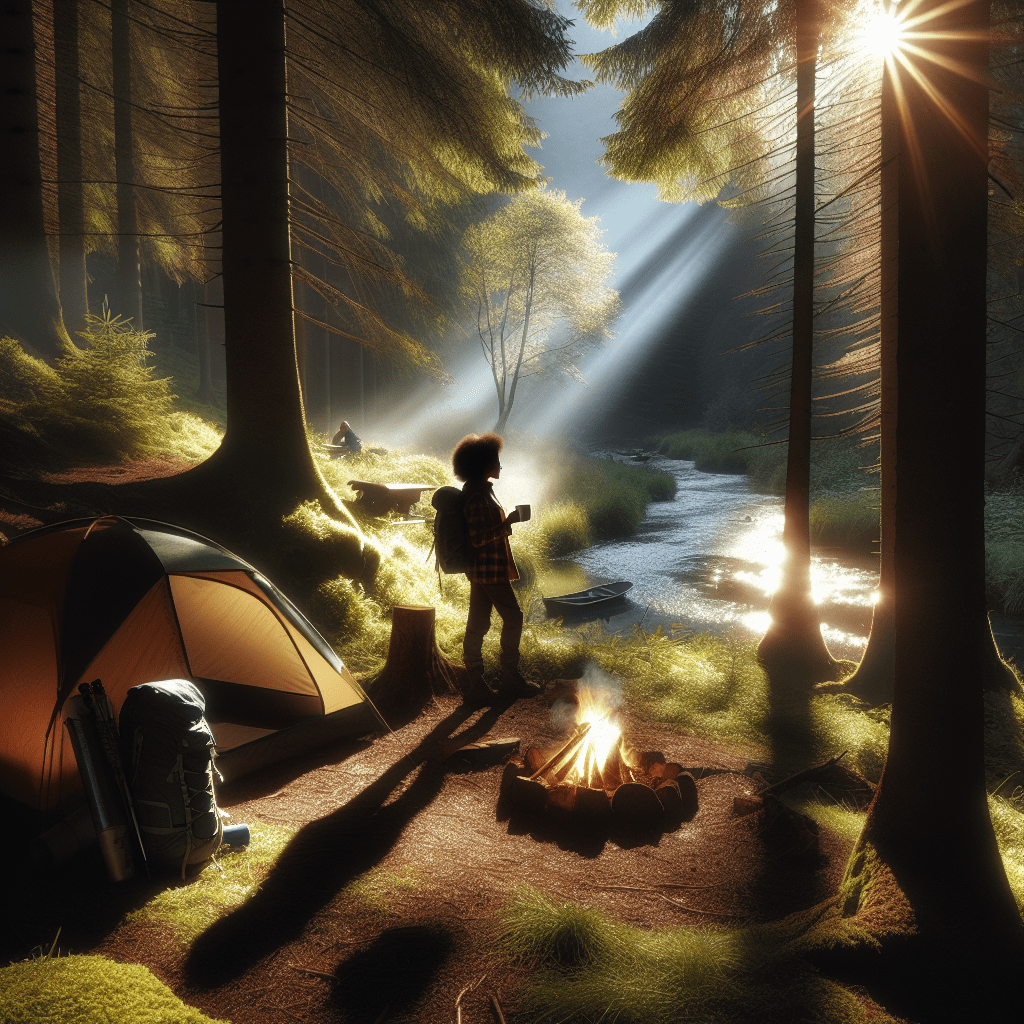

Have you ever found yourself feeling overwhelmed by the chaos of modern life? Maybe the hustle and bustle of work, family, and technology have left you yearning for an escape. Wilderness camping offers not just a retreat but a profound opportunity for healing—both physically and emotionally. Imagine sitting by a tranquil lake, the soft rustle of leaves in the breeze, as you breathe in the crisp, clean air. This isn’t just an escape; it’s a vital pathway to rejuvenation and personal growth.
Wilderness camping is an incredible gateway to reconnecting with nature, offering countless benefits for the soul. Whether you’re an avid hiker or a curious novice, this exploration into the healing power of nature will not only inspire you to pitch a tent but also delve into the essentials of wilderness camping that can turn your next outdoor adventure into a life-changing experience.
The Mental Health Benefits of Wilderness Camping
The peace found in nature is not merely poetic—it’s backed by science. Numerous studies indicate that spending time outdoors can significantly reduce feelings of anxiety and depression. Engaging in wilderness camping allows you to step away from screens, notifications, and the pressures of daily life.
The Science Behind Nature’s Healing Touch
Research has shown that green spaces and natural environments can improve mood and cognitive function. A personal experience comes to mind: on my first solo camping trip, I arrived at a secluded spot in the mountains, feeling stressed from work. After a few days of hiking, meditating by a rushing stream, and immersing myself in nature, I noticed a marked decrease in my anxiety levels. The sounds of frogs croaking and the rustle of pine trees formed a melody that soothed my mind, reminding me how important it is to detach from the daily grind.
Taking time to enjoy the natural world can lead to:
- Lowered Stress Levels: Nature helps regulate cortisol levels, which can lead to a sense of calm.
- Enhanced Creativity: Being surrounded by nature can boost innovative thinking.
Essential Gear for Wilderness Camping
Are you ready to embrace the call of the wild? Having the right gear can enhance your wilderness camping experience, making it more comfortable and enjoyable. Here’s what you’ll need:
Must-Have Gear for Comfort and Safety
-
Tent: Choosing the right tent is crucial. A lightweight, water-resistant model will serve you well. On a trip where I underestimated a sudden rainstorm, my trusty tent kept me dry and warm, making it a reliable partner in challenging conditions.
-
Sleeping Bag: Opt for a sleeping bag suited to the climate—something rated for lower temperatures if you’re headed to cooler regions. A few decades ago, I learned the hard way that a summer bag isn’t enough during a frosty autumn night!
-
First Aid Kit: Safety should always come first. I once found myself tending to a friend who slipped while hiking—a well-stocked first aid kit made all the difference.
Additional Gear to Enhance Your Experience
- Hiking Boots: Invest in good footwear; it’ll make all the difference during long treks.
- Cooking Supplies: A portable stove and lightweight cookware can elevate your meals.
- Navigation Tools: A map, compass, or GPS device are essential for off-trail exploration.
Planning Your Wilderness Camping Trip
The joy of wilderness camping comes not only from being in nature but also from the planning process. Washington state, with its diverse landscapes, provides an excellent backdrop for introduction trips.
Choosing the Right Location
Selecting a campsite that aligns with your experience level is key. Whether you opt for a mountain retreat or lakeside camping, research local regulations, wildlife, and potential hazards.
I vividly recall a camping trip in Olympic National Park. After researching the area and choosing a designated camping site, I was able to enjoy the incredible scenery without worrying about getting lost or facing unexpected wildlife encounters.
Timing Your Trip
Consider the best time of year for your adventure. Spring and early autumn often provide ideal weather, avoiding the summer crowds.
Crafting Your Itinerary
Create a flexible itinerary that includes:
- Daily hiking routes
- Necessary permits
- Meal plans and cooking times
Mindful Activities to Engage with Nature
While simply being outdoors is rejuvenating, engaging in mindful activities can amplify those benefits. Here’s how:
Connecting with Your Surroundings
Spend time simply observing—listen for bird songs, touch the rough bark of a tree, and immerse yourself in the colors of the landscape.
Journaling and Photography
Consider bringing a journal to capture your thoughts and feelings during your camping trip. Reflective writing can help process emotions, while photography can allow you to appreciate and document your surroundings. In one instance, I captured the sunrise over a mountain lake, each brush of color reminding me of the impermanence and beauty of nature.
Wrap-Up: Key Takeaways
Wilderness camping is not merely a break from routine; it’s a holistic approach to healing, self-discovery, and soul restoration. From reconnecting with nature to equip yourself with the right gear, the journey is as important as the destination. The lessons learned and connections made under the stars can carry over into your everyday life.
Are you ready to unplug from the chaos and plug into the serenity of the natural world? It’s time to pack your gear, set your sights on the wilderness, and experience the powerful healing nature has to offer.
Reader Questions Answered
Q: What are the best beginner-friendly locations for wilderness camping?
A: National parks in your area often have designated camping sites with amenities. Options like Acadia, Joshua Tree, and Yellowstone offer beginner-friendly trails and campsites.
Q: How do I stay safe while camping in the wilderness?
A: Always tell someone your itinerary, carry a first aid kit, stay aware of your surroundings, and research wildlife in the area.
Q: What is the best time of year to go wilderness camping?
A: Typically, spring and early autumn are ideal for pleasant weather and fewer crowds.
Frequently Asked Questions
Q: Can I hike and camp at the same time?
A: Yes! Many enjoy hiking during the day and camping at night. Just plan your route and stay within a safe distance from water sources.
Q: Is it safe to camp alone?
A: Solo camping can be safe if you follow safety best practices, like selecting a well-trafficked area and preparing thoroughly.
Experience the powerful restorative energy of the wilderness—it’s waiting for you!