

As an outdoor enthusiast, there’s nothing more exhilarating than setting off on a wild adventure, armed with a sturdy backpack, reliable gear, and, of course, a topographic map. While GPS devices and mobile apps have their advantages, the humble topographic map harbors a wealth of information that tech cannot replicate. Let’s dive into the hidden secrets of these maps, exploring how they function, why they matter, and how you can leverage their capabilities to enhance your outdoor experiences.
Understanding Topographic Maps
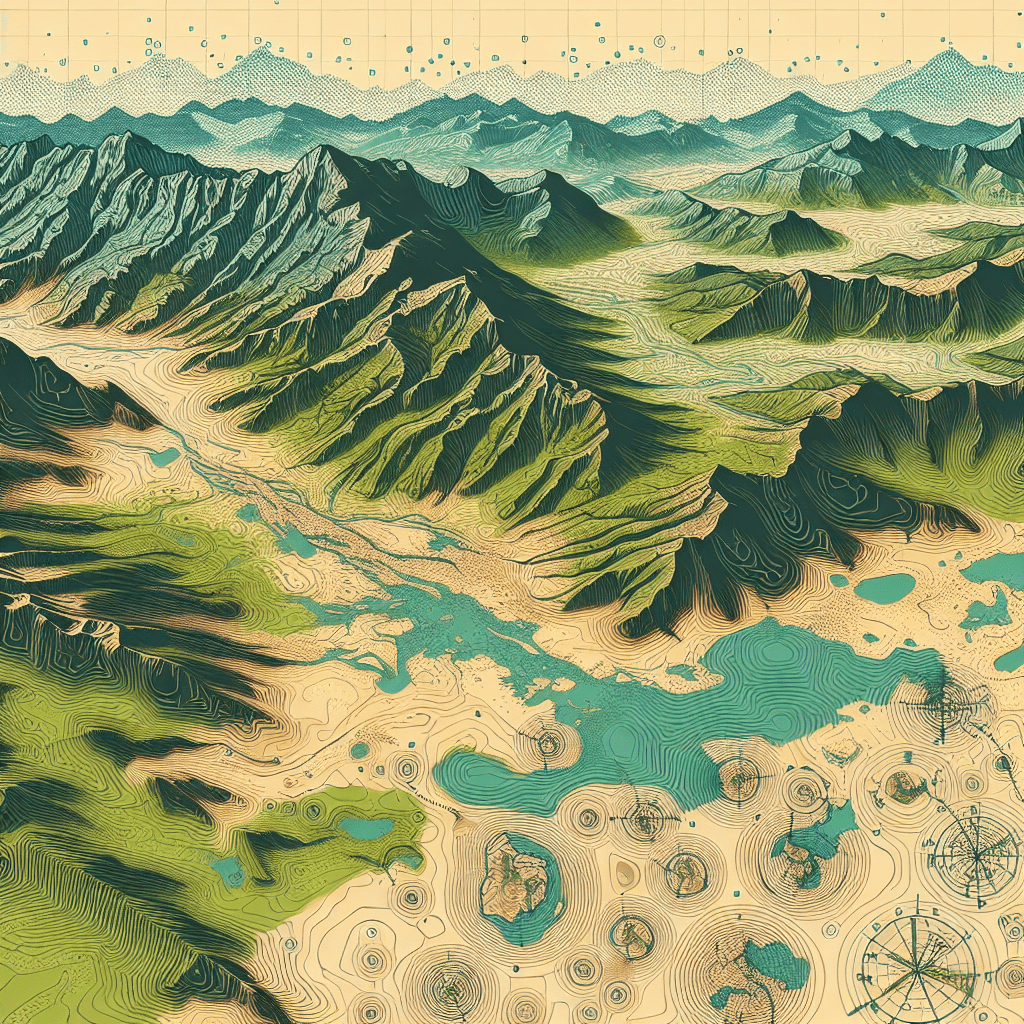
Topographic maps depict the Earth’s three-dimensional surface in two dimensions. They employ contour lines to showcase elevation changes and provide detailed insights into terrain, landmarks, water bodies, and more. Understanding how to read these maps is crucial for any outdoor enthusiast seeking to navigate uncharted territories.
The Basics of Contour Lines
Contour lines are the lifeline of topographic maps. Each line connects points of equal elevation, allowing you to visualize the landscape’s relief. Elevation increases as you move from one contour line to another. When these lines are close together, the terrain is steep; when spaced apart, the slope is gentle.
Personal Anecdote: I remember the first time I relied solely on a topographic map during a backcountry hiking trip. Standing at the edge of a sprawling valley, I traced my finger over the dense cluster of contour lines, recognizing the steep ascent ahead. Instead of being taken by surprise, I adjusted my plans, ensuring I was well-prepared for the climb. This teaches us the importance of understanding contour lines; they are your best friends when traversing challenging landscapes.
Symbols and Color Use
Topographic maps use various colors and symbols to depict different features. Blue often represents water, green illustrates vegetation, and brown denotes elevation contours. Knowing these colors can bolster your navigation skills significantly.
Best Practices for Using Topographic Maps
Understanding how to read a topographic map is just the beginning. Here are actionable steps and best practices for effectively using them:
How to Read a Topographic Map
-
Familiarize Yourself with the Legend: Always start by referring to the map’s legend. This will help you identify symbols and understand scale.
-
Identify Key Landmarks: Before your trip, mark key landmarks that will support your navigation efforts, such as peaks, rivers, or valleys.
-
Practice Sightlines: Use the contour lines to visualize sightlines. Certain hills or mountains might block your view of trails or land features; understanding the terrain can help you avoid getting lost.
Common Mistakes to Avoid
While navigating with a topographic map can be rewarding, common pitfalls lurk around the corner.
Example Scenario: On a hike to a serene lake, I mistook a contour line for a trail path, leading me to a steep decline. The realization hit hard: I should have re-checked my map against the landscape in front of me. Always cross-reference the map with real-world terrain.
Essential Gear for Topographic Navigation
When heading into the wilderness with your topographic map, having the right equipment is vital for a successful adventure.
Recommended Tools
-
Compass: Mastering compass skills is essential. Learn to align your map with magnetic north for accurate navigation.
-
Ruler or Map Scale: Carry a ruler or a printed scale to measure distances on the map. This practice will help you estimate travel time.
-
Notebook and Pen: Taking notes can be beneficial. Jot down key observations, make reminders about trail conditions, or document your journey.
The Importance of Practice
Just like any skill, effective navigation with topographic maps requires practice. Here’s how to enhance your skills:
Engage in Simulation
Participate in map-reading workshops or training sessions. By simulating various terrains, you can build confidence and familiarity with map use.
Join Group Hikes
Consider joining a local hiking group. Experienced members can offer valuable insights and tips, allowing you to learn in a supportive environment.
Embracing Adventure and Learning
Navigating with topographic maps isn’t just about reaching your destination—it’s about embracing the journey. The lessons learned along the way, both in adventure and mishaps, shape us as outdoor enthusiasts.
Reflective Anecdote: One time, I found myself lost in an expansive forest. Rather than panicking, I pulled out my map and measured my location based on contour lines. I realized I was near a well-marked trail that was not my intended route. Instead of feeling defeated, I chose to embrace the detour, discovering breathtaking views and serene spots I would have otherwise missed. This experience solidified my belief in the power of topographic maps—they can turn mistakes into memories.
Key Takeaways
The hidden secrets of topographic maps empower outdoor enthusiasts to navigate with confidence and awareness. By understanding contour lines, symbols, and their proper usage, you can significantly enhance your outdoor experiences. Always carry the right tools, avoid common mistakes, and practice your skills to truly become a master navigator.
Reader Questions Answered
What is a topographic map?
A topographic map is a detailed representation of terrain featuring contour lines that indicate elevation changes, landmarks, and natural features.
How do I get started with topographic maps?
Start by familiarizing yourself with the legend, practicing reading contour lines, and comparing your findings with the actual terrain.
Can I use a topographic map without a compass?
While it’s possible, using a compass enhances your navigation accuracy by aligning your route with the map’s orientation.
Why is it important to understand contour lines?
Contour lines provide essential insights into elevation changes and terrain features, helping you avoid steep climbs and navigate effectively.
What gear is recommended for navigating with topographic maps?
A compass, ruler or map scale, and a notebook are essential tools for successful navigation with topographic maps.
Frequently Asked Questions
How do I choose the right topographic map?
Select a topographic map that covers your intended area and is updated frequently for the best navigation experience.
Can topographic maps be used for all outdoor activities?
Yes, topographic maps are versatile tools suitable for hiking, camping, biking, and any outdoor activity that involves navigating through varied terrain.
Are printed topographic maps better than digital versions?
While printed maps have their advantages, such as no reliance on battery life, digital maps offer real-time updates which can be beneficial. It often comes down to personal preference and specific needs.
These insights empower outdoor enthusiasts to harness the hidden secrets of topographic maps. Get out there, explore, and let your adventures unfold!