

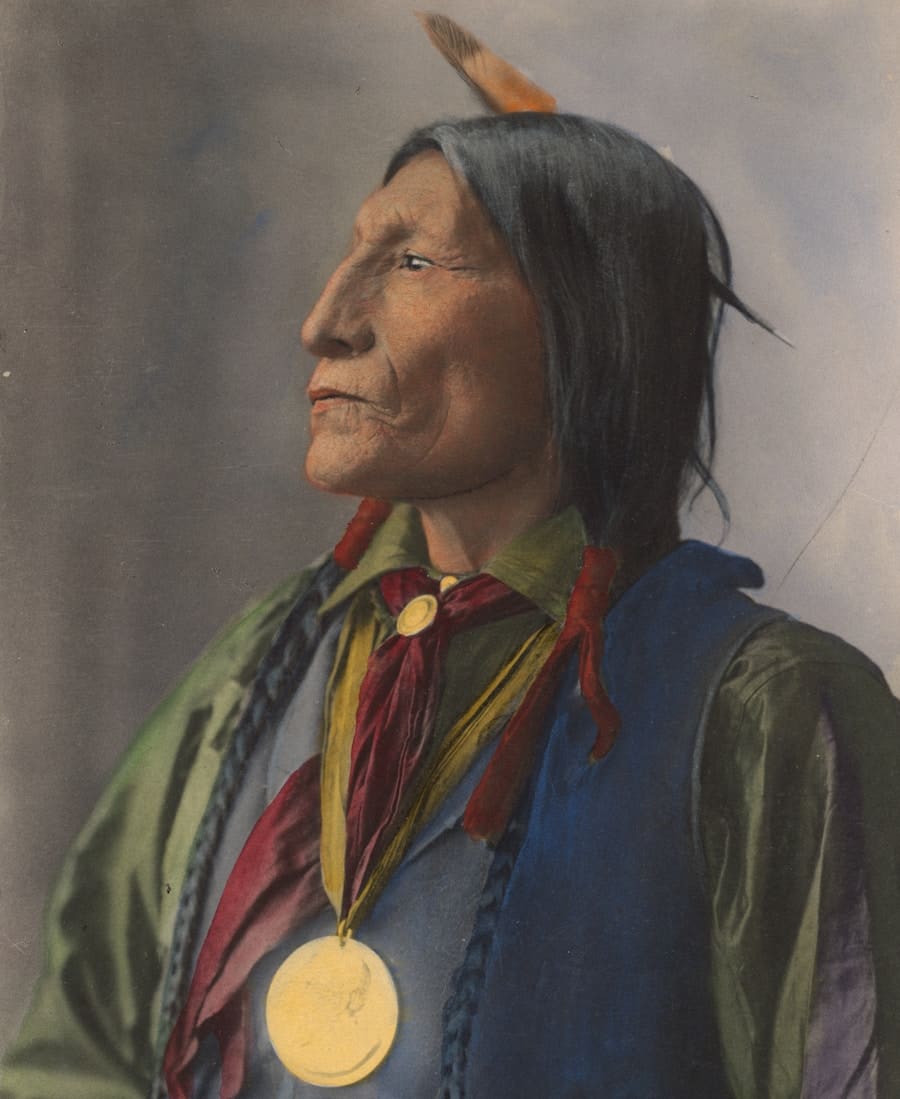

The Ojibwe people, also known as the Chippewa, have a rich cultural heritage deeply intertwined with the natural world. Their outdoor practices are not merely survival techniques; they embody a holistic approach to life that emphasizes respect for nature, community, and spirituality. For centuries, the Ojibwe have relied on their intimate knowledge of the land, water, and wildlife to sustain their communities.
This article delves into the traditional hunting and fishing techniques, plant identification and harvesting methods, shelter building skills, canoeing practices, and the cultural significance of these outdoor activities within the Ojibwe community. Understanding Ojibwe outdoor practices is essential for appreciating their way of life and the wisdom passed down through generations. These practices are not only vital for sustenance but also serve as a means of cultural expression and identity.
As modern challenges threaten these traditions, it becomes increasingly important to recognize their value and work towards their preservation. This exploration will provide insights into both the historical context and contemporary relevance of Ojibwe outdoor practices.
Key Takeaways
- Ojibwe outdoor practices are deeply rooted in cultural and spiritual connections to the land and water.
- Traditional hunting and fishing techniques are passed down through generations and are essential for sustenance and cultural preservation.
- Plant identification and harvesting play a crucial role in Ojibwe outdoor practices, providing food, medicine, and materials for crafts and shelter.
- Shelter building and survival skills are vital for living in harmony with the environment and adapting to changing conditions.
- Canoeing and watercraft techniques are integral to Ojibwe culture, enabling travel, trade, and connection to the natural world.
Traditional Hunting and Fishing Techniques
Sustainable Hunting Practices
The Ojibwe have developed methods that are both sustainable and respectful of wildlife populations. For instance, they often employ the use of snares and traps for small game, while larger animals such as deer are hunted using bows and arrows or firearms, depending on the season and availability of resources.
Communal Hunting and Fishing
The Ojibwe also practice communal hunting, where groups work together to ensure a successful harvest while fostering a sense of community. Fishing is equally significant in Ojibwe culture, with techniques that vary based on the type of water body and fish species. Spearfishing, netting, and using fish traps are common methods that have been refined over generations.
Ecological Balance and Cultural Continuity
The Ojibwe’s knowledge of local aquatic ecosystems allows them to identify the best times and locations for fishing, ensuring that they can provide for their families while maintaining ecological balance. According to a study by the Great Lakes Indian Fish & Wildlife Commission, traditional fishing practices contribute to both food security and cultural continuity among the Ojibwe.
Plant Identification and Harvesting
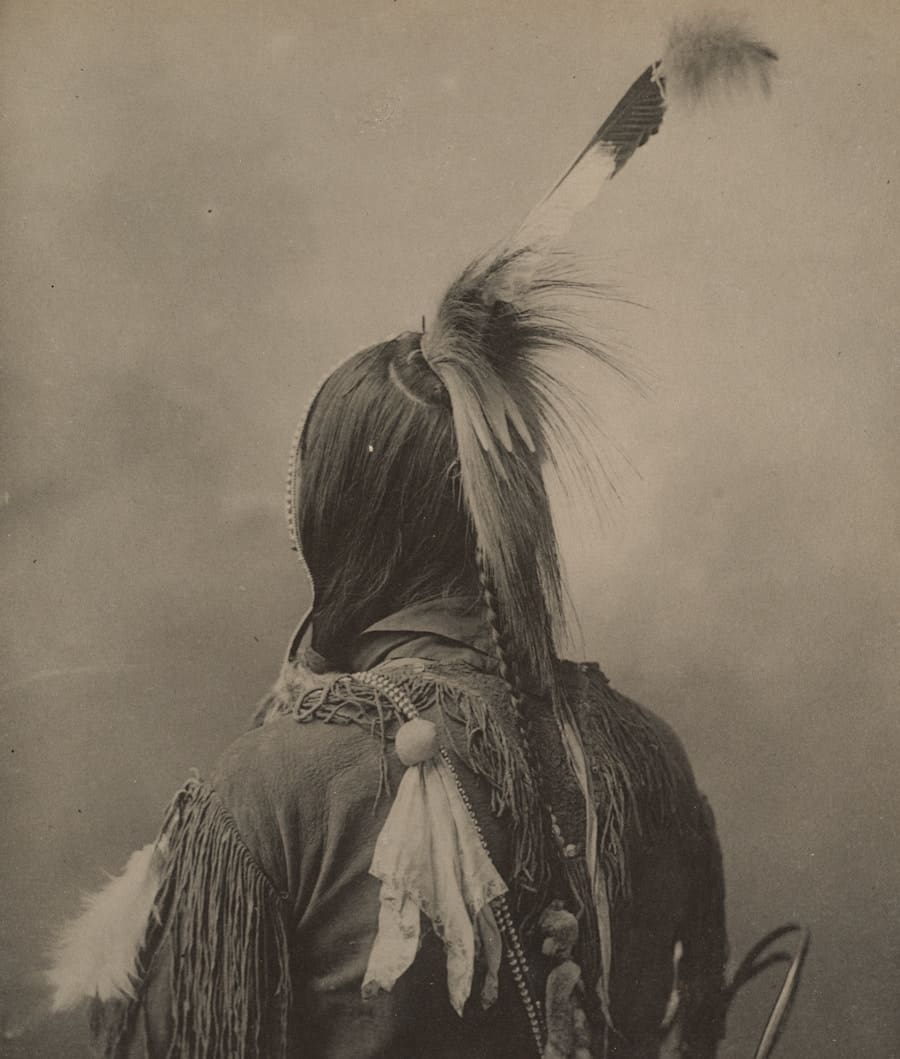
The Ojibwe possess an extensive knowledge of local flora, which plays a crucial role in their subsistence and cultural practices. Plant identification is an essential skill that enables them to gather medicinal herbs, edible plants, and materials for crafting tools and shelter. Many plants hold significant cultural meanings, often used in ceremonies or as offerings to honor the spirits of nature.
Harvesting techniques are guided by traditional ecological knowledge, which emphasizes sustainability and respect for the environment. For example, when gathering wild rice—a staple food for the Ojibwe—harvesters use canoes to gently knock the grains into their boats without damaging the plants. This method not only ensures a successful harvest but also promotes the regrowth of wild rice beds for future generations.
The importance of these practices is underscored by Dr. Robin Kimmerer, a member of the Citizen Potawatomi Nation and a renowned botanist, who states, “The plants are our relatives; we must treat them with respect.”
Shelter Building and Survival Skills
Shelter building is another vital aspect of Ojibwe outdoor practices that reflects their adaptability to various environments. Traditionally, the Ojibwe constructed wigwams—dome-shaped structures made from wooden frames covered with birch bark or animal hides. These shelters were designed to provide warmth during harsh winters while being easily dismantled for seasonal migrations.
Survival skills extend beyond shelter construction; they encompass a range of techniques necessary for thriving in the wilderness. Fire-making, foraging for food, and navigation using natural landmarks are all integral components of Ojibwe survival training. Elders often pass down these skills through storytelling and hands-on experiences, ensuring that younger generations remain connected to their heritage.
According to a report by the National Park Service, these survival skills not only foster self-sufficiency but also instill a sense of responsibility towards the environment.
Canoeing and Watercraft Techniques
Canoeing holds a special place in Ojibwe culture, serving as both a practical means of transportation and a symbol of connection to water bodies. The Ojibwe have mastered various canoeing techniques that allow them to navigate rivers, lakes, and wetlands with ease. Traditional canoes are often crafted from birch bark or cedar wood, showcasing the community’s craftsmanship and resourcefulness.
The art of canoeing involves understanding water currents, weather patterns, and safety measures essential for navigating different aquatic environments. Canoeing is not just about travel; it is also a communal activity that fosters bonding among family members and friends. The Ojibwe often engage in canoeing during cultural events or festivals, reinforcing their connection to nature while celebrating their heritage.
As noted by canoeing expert John McPhee in his book “The Control of Nature,” “Canoeing is not merely a means of getting from one place to another; it is an experience that connects us to our surroundings.”
Ojibwe Cultural and Spiritual Connection to the Outdoors
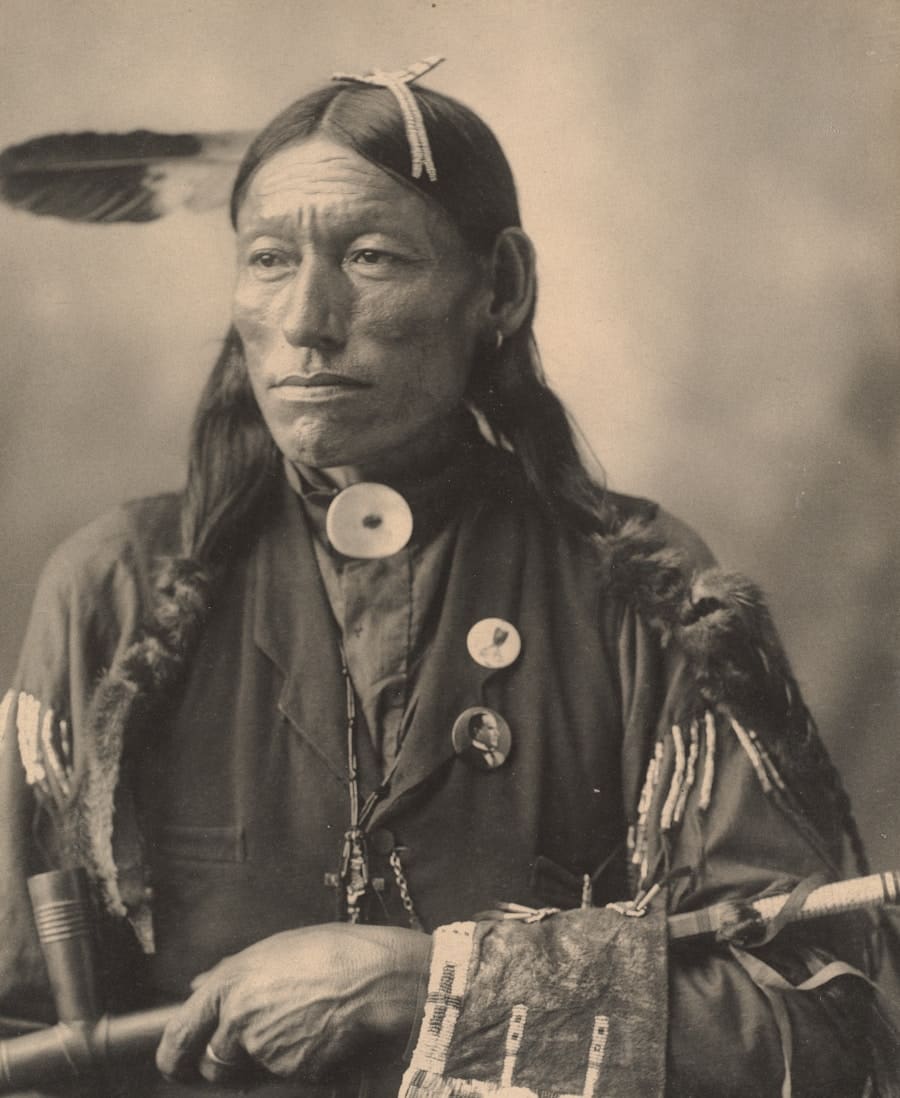
The relationship between the Ojibwe people and the outdoors is deeply spiritual, rooted in a worldview that sees all elements of nature as interconnected. The land, water, plants, and animals are viewed as relatives deserving of respect and care. This belief system is reflected in various ceremonies and rituals that honor nature’s gifts.
For instance, the annual wild rice harvest is celebrated with ceremonies that express gratitude to the spirits of the rice beds. Similarly, hunting seasons are marked by rituals that seek permission from animal spirits before taking their lives for sustenance. This spiritual connection fosters a sense of responsibility among the Ojibwe to protect their environment for future generations.
As noted by cultural anthropologist Dr. David G. Anderson, “For the Ojibwe, nature is not just a resource; it is a living entity with which they share a profound relationship.”
Historical Importance of Outdoor Practices in Ojibwe Culture
Historically, outdoor practices have been central to the survival and identity of the Ojibwe people. These practices were not only essential for sustenance but also played a crucial role in shaping social structures and community dynamics. The seasonal cycles dictated by hunting, fishing, and gathering influenced migration patterns and settlement locations.
Moreover, outdoor practices served as a means of resistance against colonial forces that sought to disrupt traditional ways of life. The ability to navigate the land and utilize its resources became a form of cultural resilience in the face of adversity. Historical accounts reveal that during times of conflict or displacement, the Ojibwe relied on their outdoor skills to sustain themselves while preserving their cultural identity.
Modern Challenges and Preservation Efforts for Ojibwe Outdoor Practices
In contemporary times, Ojibwe outdoor practices face numerous challenges stemming from environmental degradation, climate change, and loss of traditional knowledge. Urbanization and industrial development have encroached upon ancestral lands, threatening access to vital resources such as wild rice beds and fishing grounds. Additionally, younger generations may find it difficult to engage with these practices due to modern lifestyles that prioritize technology over traditional skills.
Efforts to preserve Ojibwe outdoor practices are underway through community initiatives aimed at revitalizing cultural education. Workshops on traditional hunting, fishing, plant harvesting, and canoeing are being organized to pass down knowledge from elders to youth. Organizations such as the Indian Community School in Milwaukee emphasize integrating traditional ecological knowledge into educational curricula.
Furthermore, collaborations with environmental organizations aim to restore habitats critical for sustaining traditional practices. By advocating for policy changes that protect natural resources and promote sustainable land use, the Ojibwe community seeks to ensure that their outdoor practices endure for future generations. In conclusion, understanding Ojibwe outdoor practices offers valuable insights into a culture that has thrived in harmony with nature for centuries.
These practices encompass not only survival skills but also deep spiritual connections to the land and water. As modern challenges threaten these traditions, it is imperative for both Indigenous communities and non-Indigenous allies to work together towards preservation efforts. Engaging with these practices can foster greater appreciation for Indigenous knowledge systems while promoting environmental stewardship across all communities.
Readers are encouraged to explore local Indigenous-led initiatives or educational programs that celebrate these rich traditions—an opportunity not only to learn but also to contribute positively towards preserving this invaluable heritage.