

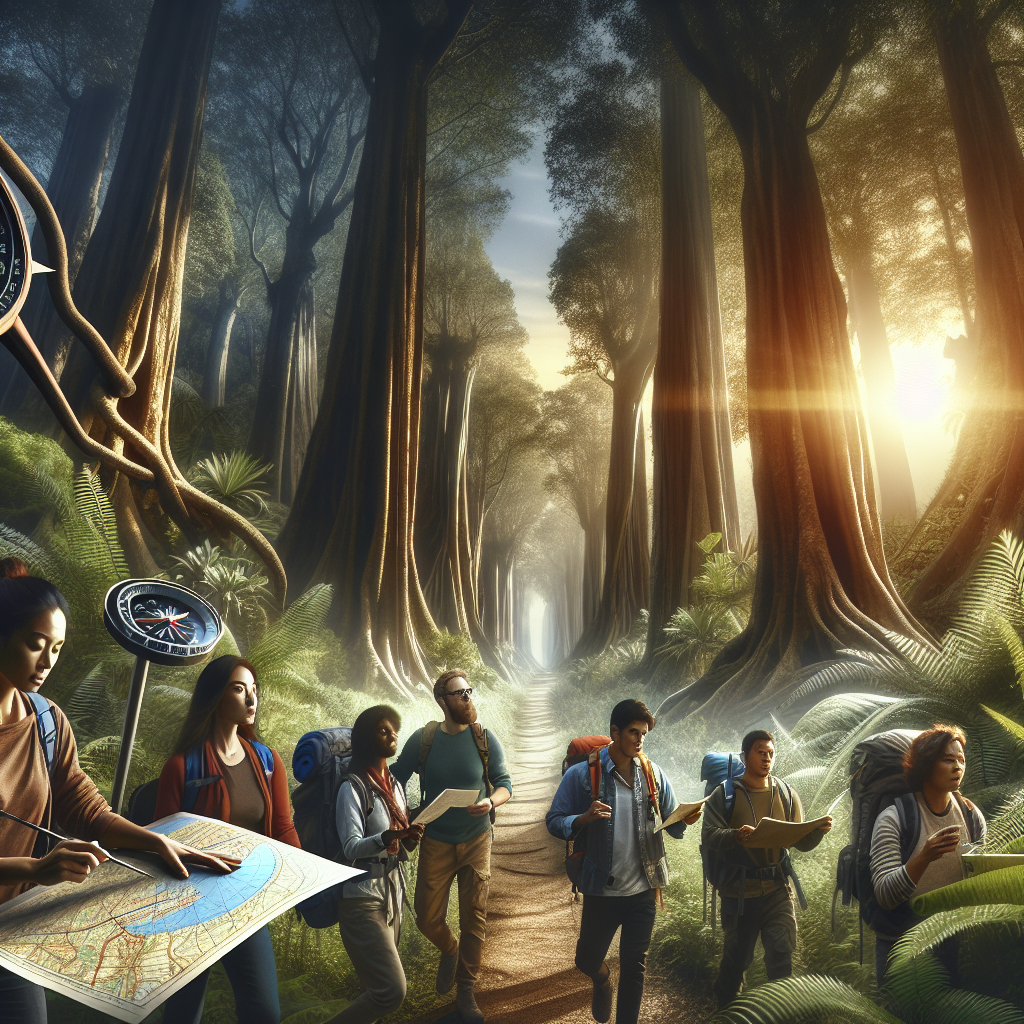

In a world dominated by GPS and smartphone apps, many outdoor enthusiasts have lost the art of navigating without technology. Yet, trust in your instincts can be a lifesaver, both literally and figuratively, when the tech fails. As an outdoor enthusiast, I know the thrill of adventure often comes with uncertainty— and it’s crucial to have the skills to navigate without digital aids. Whether you’re embarking on a multi-day hike, trekking through dense forests, or venturing off the beaten path, understanding how to harness your instincts for navigation can truly enhance your outdoor experience.
The Significance of Trusting Your Instincts in Navigation
When I first set out on a solo backpacking trip in the rugged Sierra Nevada, I faced a formidable challenge. The plan was simple: follow a marked trail. However, a sudden rainstorm washed away my confidence—and the trail markers. With the sky darkening and the surrounding landscape transforming into a disorienting blur, I had to rely on my instincts. This experience taught me the importance of understanding the signs nature gives us and trusting my internal compass rather than panicking.
Navigating without technology brings several benefits: it deepens your connection with nature, enhances your awareness of the environment, and builds confidence in your abilities. This post aims to equip you with the essential skills to find your way without relying on technology, enriched with personal insights and actionable steps to boost your navigation confidence.
Understanding Your Environment
Reading Terrain
Every outdoor enthusiast should know how to read their environment. Look for natural landmarks—rivers, mountains, and valleys—as reference points. These elements can guide you, much like they guided ancient explorers.
During one of my trail runs in the Appalachian Mountains, I learned the importance of recognizing the shape of the landscape. As I ran, I noticed how a prominent ridge resembled the outline of a sleeping giant. By identifying its position, I was able to navigate back to my starting point without any modern aids.
Lesson:
Identify and memorize key terrain features around you. Take time to familiarize yourself with hills, ridges, and water bodies when planning your route.
The Sun and Stars
The sun and stars can also be reliable navigational aids. Understanding the sun’s movement throughout the day can help you gauge direction: it rises in the east and sets in the west.
On a camping trip in the Pacific Northwest, I found myself disoriented after a long day of hiking. As night fell, I took a moment to center myself. I recalled the position of the North Star. By locating it, I could navigate back to my camp without hesitation.
Lesson:
Plan your travels during daylight hours and practice observing the sun’s trajectory. In the evening, learn to identify constellations and celestial bodies, such as the North Star, to help orient yourself at night.
Tools for Navigating without Technology
Basic Tools to Consider
While technology can sometimes fail, there are classic navigational tools that can greatly enhance the experience. Packing a compass, a detailed map, and a whistle can be invaluable.
A few years ago, during a scout camp out, my group lost our way in a dense forest. Instead of panicking, we pulled out our compass and map. As I plotted our course, I realized how empowering and exhilarating navigation could be without technology.
Lesson:
Always carry a compass and a physical map of the area. Familiarize yourself with their use before heading out into the wilderness.
Additional Items: Rope & Essentials
Ropes are often underestimated but can be vital for navigating steep or treacherous terrain. I once used a rope to help facilitate a descent on a rocky ledge while rock climbing in Utah. It served as both a physical lifeline and a way to stay oriented in challenging conditions.
Consider these essentials for your next adventure:
- Ropes for climbing or rugged terrain
- Waterproof bags for your map and compass
- A first aid kit for emergencies
Common Mistakes to Avoid in Outdoor Navigation
Over-reliance on Technology
While technology can enhance our experience, it’s important not to over-rely on it. During a hike in a remote area, I observed many hikers glued to their smartphones, oblivious to their surroundings. When their devices malfunctioned, they were lost, unable to find their way back.
Lesson:
Familiarize yourself with navigation techniques and tools before your journey. Embrace digital resources but build your skills to navigate autonomously and confidently.
Neglecting to Prepare
Not planning and preparing adequately can lead to dangerous situations. On one of my excursions, I forgot to check the weather forecast and faced unexpected snowfall, making navigation tricky.
Lesson:
Always prepare before heading out: check the weather, study the terrain, and assess your skills objectively.
Wrap-Up / Key Takeaways
Navigating without technology can empower you, foster confidence, and deepen your relationship with the great outdoors. By understanding your environment, utilizing essential tools, and avoiding common mistakes, you will become a more competent navigator. Remember, when the technology fails, your instincts and knowledge can guide you through.
- Trust your instincts: They often know more than you think.
- Read your environment: Nature provides navigational cues that are invaluable.
- Embrace simplicity: Rely on basic tools, not just your phone.
- Prepare thoroughly: Know what to expect before heading into the wilderness.
Reader Questions Answered
Q: How can I improve my instinctual navigation skills?
A: Start by practicing in familiar terrains without technology. Over time, explore more complex environments, continually honing your observational skills and instincts.
Q: Are maps and compasses still relevant?
A: Yes! Maps and compasses are critical tools that enhance your ability to navigate without relying on technology. They can be more reliable during device failures.
Q: What should I do if I get lost?
A: Stay calm, assess your surroundings, and use your map and compass to establish your position. Identify landmarks and retrace your steps if possible.
FAQs
Q: What if I don’t know how to read a compass?
A: Invest time in learning compass skills through online tutorials or outdoor workshops. Practical experience will help solidify your understanding.
Q: How can I practice navigation without technology?
A: Try going on day hikes where you intentionally leave your smartphone behind. Use maps and compasses to find your way, allowing yourself to rely solely on your instincts.
Q: Do I need to be an expert to navigate without technology?
A: No! Start small and gradually build your confidence. Everyone can improve their navigation skills with practice. Trust your instincts and enjoy the learning process.
By internalizing these principles and practicing consistently, you will not only become a more skilled navigator but also cultivate a deeper sense of adventure in your outdoor pursuits. So get out there, trust your instincts, and embrace the thrill of navigating without technology!