

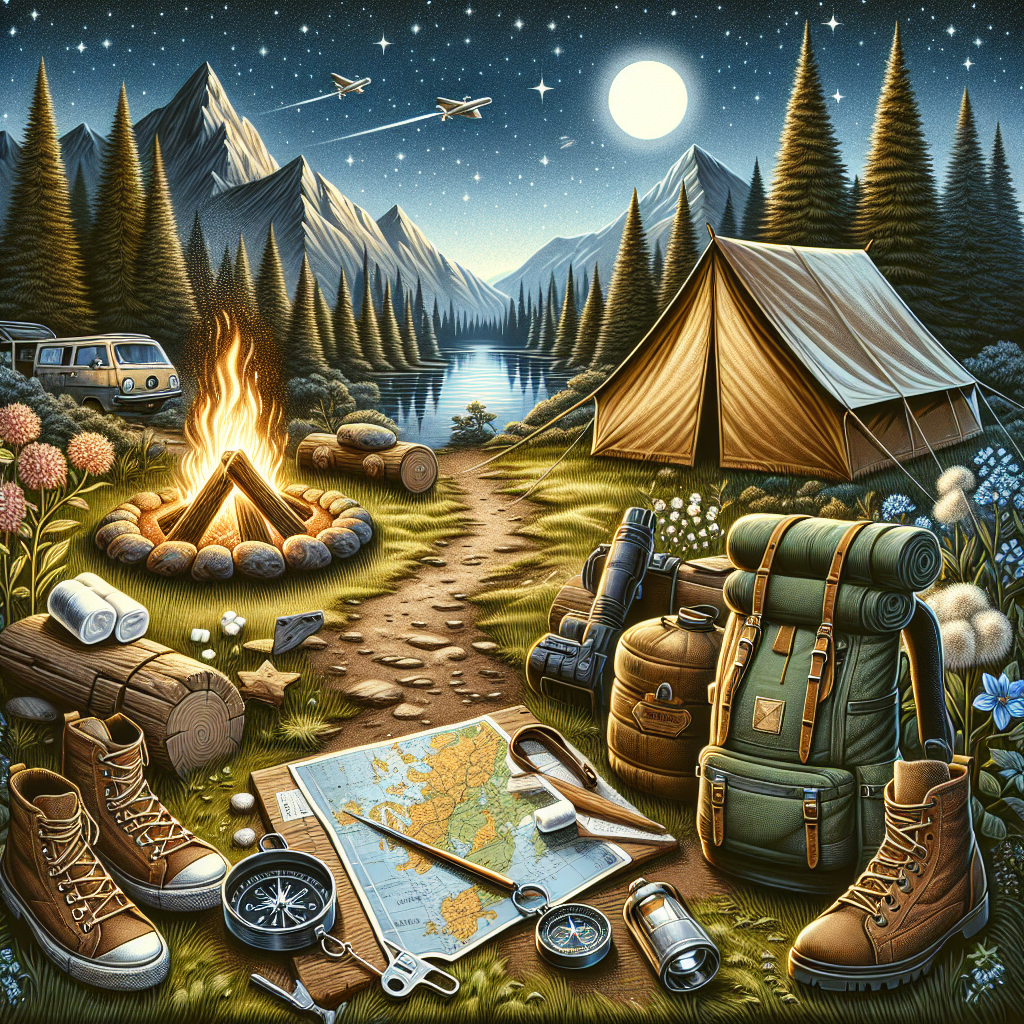

Ever felt the electrifying thrill of escaping the mundane for the grand embrace of nature? Imagine the crackling fire beneath twinkling stars, the symphony of nocturnal wildlife serenading you into tranquility, and the sweet aroma of fresh pine hanging in the cool, crisp air. That’s the magic of camping—a chance to reconnect with nature and recharge our souls.
But before you pack your bags and head into the wild, it’s crucial to gear up properly. Why? Because a well-planned camping trip promises unforgettable adventures, while a lack of preparation can lead to messy mishaps or worse. Let’s dive deep into the ultimate guide to camping—where we’ll explore essential gear, planning tips, and some personal tales from the trails that will prepare you for your next big outdoor adventure!
The Essentials of Camping Gear
When it comes to camping, the right gear can mean the difference between a dreamy escape and a rough survival situation. Here’s a rundown of essential gear that every camper should consider:
Shelter: Choosing the Right Tent
Your tent is your sanctuary in the woods, so picking the right one is paramount. Should you choose a lightweight backpacking tent or a spacious family tent? Reflecting back on my first camping trip as an eager teenager, I learned this lesson the hard way: our oversized family tent was a hassle to carry, leaving us exhausted before we even started the adventure.
Tip: Opt for a tent that suits both your camping style and the season. Three-season tents are great for spring, summer, and fall, while four-season tents can withstand harsher weather.
Sleeping Gear: More Than Just a Sleeping Bag
A good night’s rest is crucial for enjoyable days ahead. I still recall the first time I pitched my tent near a serene lake, only to struggle through the night in a thin sleeping bag meant for summer use. I awoke cold and cranky, missing the fun of sunrise hikes!
Investing in a quality sleeping bag suited for the season and a comfortable sleeping pad can transform your experience. Remember to check temperature ratings on sleeping bags to ensure you stay cozy through the night.
Cooking Gear: Fuel Your Adventure
Food becomes more than just sustenance whenyou’re out in the wild; it’s a source of joy, warmth, and fuel for the adventures ahead. Investing in the right cooking gear can elevate your camping experience.
Portable Cooking Systems
Reflecting on my memorable trip to the Smoky Mountains, I remember my companion’s enthusiasm about our campfire-cooked meals. However, when it turned out he had forgotten the matches, we were forced to rely on our portable camping stove. This little gadget saved the day! Compact and efficient, it allowed us to whip up delicious meals without the hassle of starting a fire.
Tip: Look for a lightweight stove that fits your cooking style—whether it’s a full camp chef setup or just a single burner for boiling water. Don’t forget to pack fuel, pots, utensils, and a cooler if you plan on enjoying fresh ingredients.
Clothing: Dress for Success
Dressing appropriately can spell the difference between comfort and suffering in nature. Take it from my unfortunate day of hiking in jeans during a summer trek; my legs were chafed, and my spirit dampened.
Layering is your best friend in camping. Start with moisture-wicking base layers, add insulating mid-layers, and have a waterproof outer shell ready for unexpected weather changes. Don’t forget a good pair of hiking boots—comfortable, broken-in footwear can save you from blisters and fatigue on longer hikes.
Safety Gear: Be Prepared for the Unexpected
One evening under a canopy of stars in the forests of Oregon, I learned the importance of safety gear firsthand. A sudden rainstorm surged, and while we had the basics covered, we had neglected our first-aid kit. Thankfully, a fellow camper shared theirs, but that night taught me a crucial lesson: preparation is key.
Every camper should carry:
- A first-aid kit
- A multi-tool or knife
- Navigation tools (map, compass, or GPS)
- A whistle
- Headlamps or flashlights (with extra batteries)
Planning Your Camping Adventure
Preparation is as important as the gear you bring. Here are the steps to ensure a smooth camping trip.
Choosing Your Campsite
Selecting the right campsite can set the tone for your adventure. Do you prefer a hidden site off the beaten path, or do you enjoy the camaraderie of a bustling campground? When I camped at a secluded spot near a river, I experienced the serene beauty of nature, the soothing sound of flowing water, and stunning sunsets that seemed to paint the sky anew each evening.
Tip: Research the area, check for amenities, and consider the type of activities you want to engage in while camping.
Preparing a Packing List
A detailed packing list can be your best friend. From gear to food, ensure nothing is left behind. My first solo camping trip ended in a panic when I arrived without my cooking supplies, limiting my meals to granola bars.
Create a checklist that covers:
- Shelter and sleeping gear
- Cooking and food supplies
- Clothing
- Safety equipment
- Personal items (toiletries, medications)
Setting an Itinerary
Informing a friend or family member about your trip plans, including your itinerary and expected return date, can greatly increase your safety. While on a hike through the Rockies, I met an experienced camper whose family habitually left detailed itineraries with a neighbor. This ensured prompt help in case of an emergency.
Tip: Always keep your itinerary flexible, to embrace the spontaneous nature of camping!
Embracing Nature: Connecting with Your Surroundings
Camping is not just about the gear and planning; it’s also about connecting with nature. Appreciating your surroundings can transform your experience.
Exploring Trails
The heart of camping often lies in exploration. I still remember the thrill of stumbling upon a hidden waterfall during a hike, sharing laughter and joy with friends, and enveloped by the beauty around us.
Tip: Carry a reliable map and research local trails or spots to explore. Allow extra time for unplanned adventures!
Wildlife Safety
Whether you’re hiking in bear country or simply enjoying the view of local fauna, understanding wildlife can keep you safe. On a trip to Yellowstone, a fellow camper’s knowledge of bear safety impressed me. They had bear-proof containers for food and shared stories of their respectful distance when encountering wildlife.
Tip: Always store food properly, respect wildlife territory, and keep a safe distance.
Wrap-Up / Key Takeaways
Camping opens a gateway to adventure, discovery, and connection with nature. As you gear up for your next outdoor escape, remember these essential points:
- Choose the right shelter and sleeping gear to ensure comfort.
- Invest in quality cooking equipment to enrich your meals.
- Preparation is crucial—draft a comprehensive packing list and share your itinerary.
- Embrace nature by exploring trails and respecting wildlife.
Camping isn’t just an outing; it’s an opportunity to embrace the wilderness and forge unforgettable memories. Prepare well and let your adventures unfold!
Reader Questions Answered
What should I pack for a weekend camping trip?
When packing for a weekend trip, remember to pack your shelter (tent), sleeping gear, cooking supplies, food, clothing, safety gear, and personal items. Prioritize comfort and function!
How can I stay safe while camping?
Preparedness is key. Always have a first-aid kit, extra food and water, and know the area you’re camping in. Inform a friend about your plans, and make sure you have navigation tools on hand.
What is the best time of year for camping?
The best time for camping depends on your location and personal preference. Spring through fall generally offers good weather, but don’t shy away from winter camping if you’re equipped for it—it can be a magical experience!
FAQs
Do I need a permit to camp?
Many campgrounds and national parks require permits, especially in popular areas. Always check in advance and secure your documentation.
How can I avoid bugs while camping?
To repel bugs, consider wearing long sleeves and pants, using insect repellent, and setting up your campsite away from stagnant water.
What should I do if I encounter wildlife?
Stay calm and back away slowly; do not approach or feed wild animals. Storing food securely can prevent unwanted visits.
Embark on your camping adventure prepared, and you’ll create lasting memories that will fuel the spirit of adventure for years to come!