

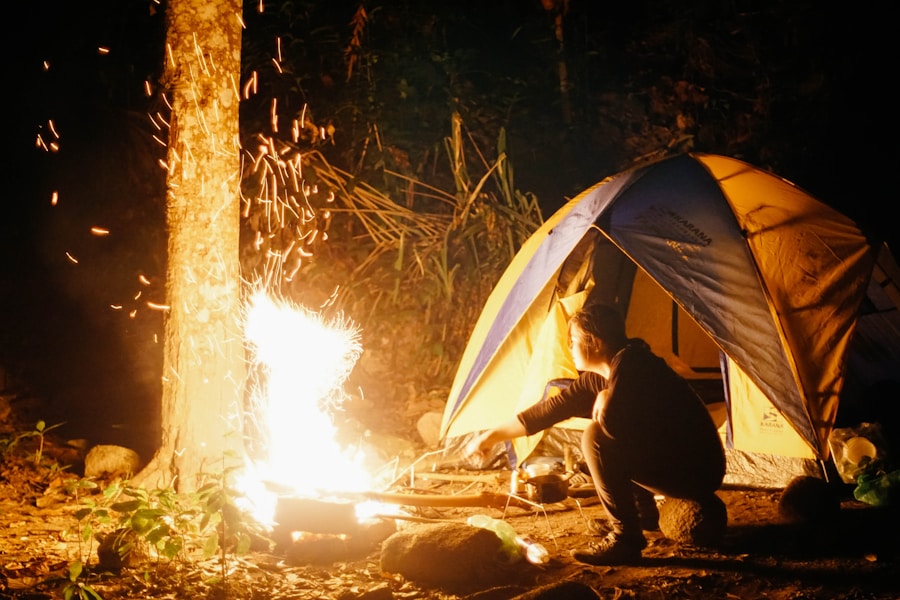

When you embark on a camping adventure, the key to a successful experience lies in your preparation, particularly in what you choose to pack. You might be tempted to throw a few items into your backpack and hit the road, but taking the time to carefully select your gear can make all the difference. First and foremost, consider the essentials: a sturdy tent, a reliable sleeping bag, and a comfortable sleeping pad.
These items will serve as your home away from home, providing shelter and comfort during your outdoor escapade. A good tent should be weather-resistant and easy to set up, while your sleeping bag should be rated for the temperatures you expect to encounter. In addition to the basics, don’t forget about cooking supplies and food storage.
A portable stove or grill can elevate your camping meals from mundane to memorable. Pack lightweight cookware, utensils, and biodegradable soap for easy cleanup. Food storage is crucial; opt for airtight containers or bear-proof canisters if you’re camping in bear country.
Hydration is equally important, so bring along a reusable water bottle or hydration system to keep you refreshed throughout your trip. By carefully considering what to pack, you can ensure that you have everything you need for a comfortable and enjoyable camping experience. I found the perfect camping tent for our trip at https://amzn.to/43QJ0Uy.
Setting Up Camp: Tips for Choosing the Perfect Campsite
Once you’ve arrived at your camping destination, the next step is to set up camp. Choosing the right campsite can significantly enhance your outdoor experience. Start by looking for flat ground that is free of rocks and debris; this will make for a more comfortable sleeping area.
Ideally, you want to pitch your tent in a location that is sheltered from wind and rain, such as near trees or natural barriers. However, be cautious of potential hazards like dead branches that could fall during a storm. Another important factor to consider is proximity to water sources.
While being close to a lake or river can be convenient for cooking and cleaning, it’s wise to set up camp at least 200 feet away from the water’s edge to minimize environmental impact and avoid flooding during heavy rains. Additionally, pay attention to local wildlife; avoid areas with signs of animal activity, such as tracks or droppings. By taking the time to choose the perfect campsite, you can create a safe and enjoyable environment for your camping adventure.
Campfire Cooking Hacks and Recipes
One of the most enjoyable aspects of camping is gathering around the campfire to cook and share meals with friends and family. Campfire cooking can be both fun and delicious if you know a few hacks to make it easier. First, consider pre-prepping some of your meals at home.
Marinating meats or chopping vegetables ahead of time can save you valuable time and effort once you’re at the campsite. Additionally, using foil packets is an excellent way to cook meals over the fire without the need for extensive cookware. Simply wrap your ingredients in aluminum foil, place them on hot coals, and let them cook until tender.
When it comes to recipes, think beyond the typical hot dogs and marshmallows. Try making campfire nachos by layering tortilla chips with cheese, beans, and jalapeños in a cast-iron skillet. Cover it with foil and place it over the fire until everything is melted and bubbly.
For dessert, consider making banana boats by slicing a banana lengthwise, stuffing it with chocolate chips and marshmallows, wrapping it in foil, and placing it over the fire for a gooey treat. With these campfire cooking hacks and creative recipes, you can turn your outdoor meals into memorable culinary experiences.
Staying Safe in the Great Outdoors: Tips for Avoiding Wildlife and Weather Hazards
While camping offers an incredible opportunity to connect with nature, it’s essential to prioritize safety during your outdoor adventures. One of the primary concerns is wildlife encounters. To minimize risks, always store food securely in bear-proof containers or hang it from trees if bears are known in the area.
Avoid cooking near your sleeping area, as this can attract unwanted visitors. Additionally, educate yourself about local wildlife; knowing what animals inhabit the area can help you understand how to react if you encounter them. Weather hazards are another critical aspect of outdoor safety.
Before heading out, check the weather forecast for your camping location so you can prepare accordingly. If storms are predicted, ensure that your tent is securely staked down and that you have a plan for seeking shelter if necessary. Always pack layers of clothing to adapt to changing temperatures and conditions.
A waterproof jacket can be invaluable in case of rain, while warm layers will keep you comfortable during chilly nights. By taking these precautions, you can enjoy the beauty of nature while minimizing risks associated with wildlife and unpredictable weather.
Fun and Games: Activities to Keep Everyone Entertained
Camping is not just about enjoying nature; it’s also an opportunity for fun and bonding with family and friends. To keep everyone entertained during your trip, consider planning a variety of activities that cater to different interests. Classic games like frisbee or capture the flag can be great for groups looking to stay active outdoors.
If you’re camping near water, swimming or kayaking can provide hours of enjoyment while allowing you to cool off on hot days. For those who prefer quieter activities, consider organizing a scavenger hunt or nature walk where participants can explore their surroundings while learning about local flora and fauna. Bring along some board games or cards for cozy evenings around the campfire when everyone is winding down after a day of adventure.
Engaging in these activities not only keeps spirits high but also fosters connections among campers, creating lasting memories that everyone will cherish long after the trip has ended.
Leave No Trace: Tips for Minimizing Your Environmental Impact
As outdoor enthusiasts, it’s our responsibility to protect the natural beauty we enjoy while camping. Practicing Leave No Trace principles is essential for minimizing your environmental impact during your adventures. Start by planning ahead; research your destination’s regulations regarding campfires, waste disposal, and wildlife interactions before you arrive.
This knowledge will help you make informed decisions that align with conservation efforts. When setting up camp, choose established sites whenever possible to avoid damaging pristine areas. Always pack out what you pack in—this includes trash, leftover food, and any other waste materials.
If you’re using biodegradable soap for cleaning dishes or yourself, do so at least 200 feet away from water sources to prevent contamination. Additionally, respect wildlife by observing from a distance rather than feeding or approaching animals. By following these guidelines and being mindful of your actions in nature, you contribute to preserving our beautiful landscapes for future generations of campers.
In conclusion, camping is an enriching experience that allows you to connect with nature while creating lasting memories with loved ones. By packing wisely, choosing the right campsite, mastering campfire cooking techniques, prioritizing safety, engaging in fun activities, and practicing Leave No Trace principles, you can ensure that your outdoor adventures are enjoyable and environmentally responsible. Share your thoughts or experiences in the comments below—what are your favorite camping tips or memories?
Your insights could inspire others as they embark on their own camping journeys!
FAQs
What are some essential items to bring when camping in the summer?
Some essential items to bring when camping in the summer include a tent, sleeping bag, camping stove, cooler, insect repellent, sunscreen, and plenty of water.
How can I stay cool while camping in the summer?
To stay cool while camping in the summer, you can choose a campsite with plenty of shade, bring a portable fan, wear lightweight and breathable clothing, and take frequent breaks in the shade.
What are some tips for staying safe while camping in the summer?
Some tips for staying safe while camping in the summer include staying hydrated, protecting yourself from the sun, being aware of wildlife in the area, and following all campground rules and regulations.
What are some fun activities to do while camping in the summer?
Some fun activities to do while camping in the summer include hiking, swimming, fishing, birdwatching, stargazing, and cooking over a campfire.
How can I protect myself from insects while camping in the summer?
To protect yourself from insects while camping in the summer, you can use insect repellent, wear long sleeves and pants, and avoid camping near standing water.