

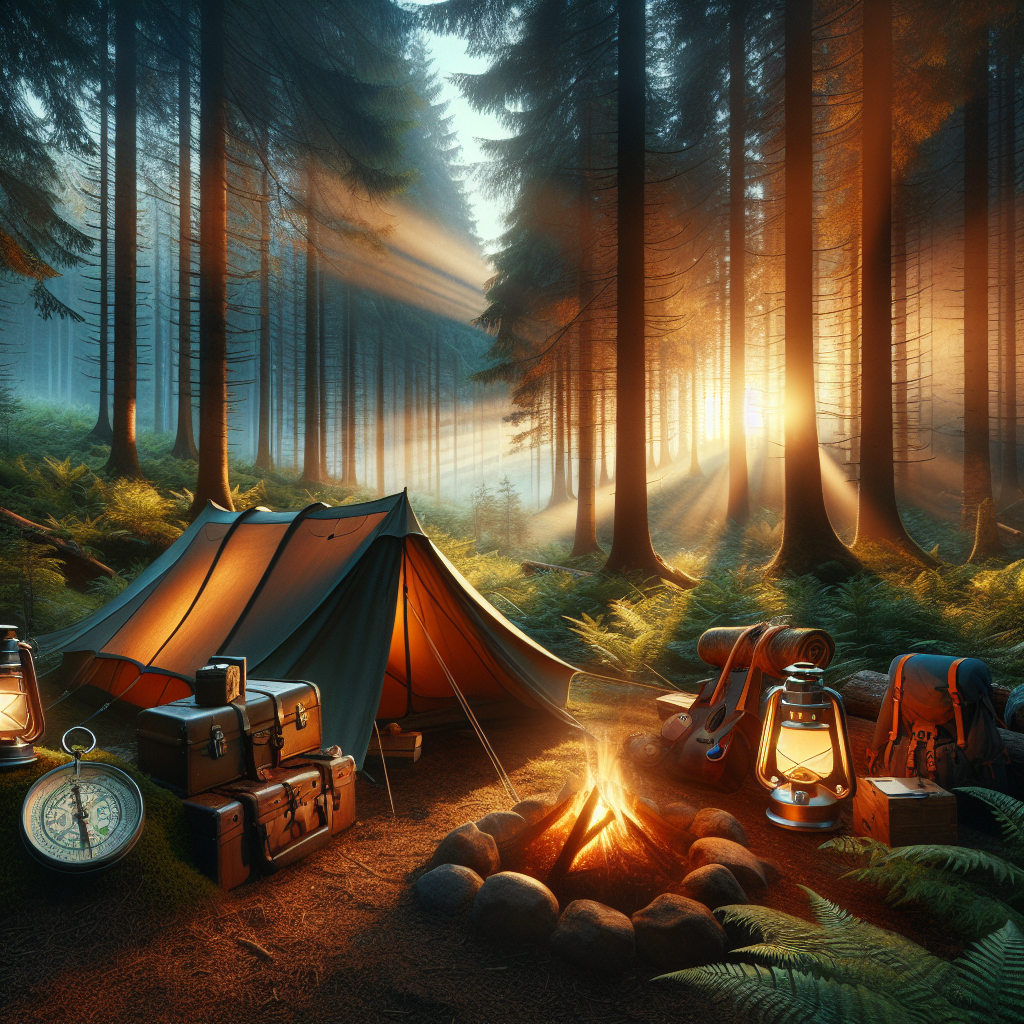

Imagine standing in the midst of towering trees, the crisp air filling your lungs, and the soothing sounds of nature surrounding you. Wilderness camping isn’t just an escape from technology; it’s an experience that allows you to reconnect with the world and yourself. But how do you dive into this retreat into nature without feeling overwhelmed? This ultimate guide to wilderness camping adventures will equip you with everything you need, from practical tips to heartfelt anecdotes that emphasize the importance of disconnecting from the digital world.
Why is wilderness camping so crucial for outdoor enthusiasts? In a world that demands our constant attention, taking time away to unplug and reconnect fosters a deeper relationship with nature. It encourages self-discovery, resilience, and an appreciation for the natural beauty that envelops us. So, lace up your hiking boots and let’s explore how to make your wilderness camping adventure both educational and inspiring.
What is Wilderness Camping?
Wilderness camping blends backpacking skills, survival instincts, and a thirst for adventure. It involves setting up camp in remote areas, away from the comforts of established campgrounds. This type of camping offers not only solitude but an opportunity for introspection and adventure.
Why Choose Wilderness Camping?
Wilderness camping allows you to immerse yourself in nature, providing a break from daily stresses. It fosters resilience, teaching you to solve problems in unfamiliar environments. For instance, my first solo camping trip in the smoky forests of North Carolina was both nerve-wracking and exhilarating. As I struggled to start a fire with damp wood, I learned patience and the tenacity required to thrive outdoors—lessons that went far beyond the campfire.
Essential Gear for Wilderness Camping
Packing the right gear is essential for a successful wilderness camping experience. Here’s a breakdown of must-haves:
Tent and Shelter
A sturdy, weather-appropriate tent is your first line of defense against elements. Choose something lightweight but durable. On my second wilderness adventure, I opted for a tent that was way too heavy, and lugging it uphill was an exhausting task I won’t repeat!
Sleeping Gear
Invest in a high-quality sleeping bag and pad. These gear pieces will ensure a comfortable sleep, critical for recharging after a day of adventure. I learned this the hard way during a chilly mountain hike—spending a night in a subpar sleeping bag taught me that comfort is key!
Cooking Equipment
A portable stove or a compact campfire grill, balanced with lightweight cookware, can make or break your cooking experience. I remember boiling water for instant coffee over an open flame, and it was pure bliss (albeit a rickety setup!).
Clothing
Layering is vital. Choose moisture-wicking base layers, insulating mid-layers, and waterproof outer shells. Remember, I once hiked for hours fresh from a rainstorm without a proper jacket—and, let me tell you, it was a lesson in regret!
Planning Your Wilderness Adventure
Choosing Your Location
Research diverse wilderness areas to understand their landscapes, flora, and fauna. National forests, state parks, and remote backcountry trails can offer unique experiences. On my last trip to Joshua Tree National Park, the wild desert landscape forced me to embrace solitude, leading to unexpected perspectives on life.
Permits and Regulations
Ensure you understand the regulations of your chosen area and secure needed permits. I once faced a hefty fine for camping in a prohibited area—don’t let this blunder dampen your adventure!
Creating an Itinerary
Plan your daily activities, but leave room for spontaneity. I missed a stunning waterfall detour because I stuck too rigidly to my plan. Sometimes, it’s the unexpected finds that leave the biggest impressions.
Safety Tips for Wilderness Camping
Navigating with a Map and Compass
In today’s GPS-driven world, being proficient in using a map and compass is essential. On a particularly foggy day, my reliance on technology failed me. Only by utilizing these traditional navigation tools did I find my way back to camp.
Wildlife Awareness
Understanding local wildlife is crucial. Keep food securely stored, and be respectful of animals’ space. I learned this lesson while inadvertently attracting a curious raccoon, which raided my food bag while I was distracted by the stars above.
Emergency Preparedness
Carry a well-stocked first-aid kit and familiarize yourself with its contents. A simple cut from my last camping adventure led to an unexpected worry when I was unprepared. Know how to handle the minor mishaps to enjoy the journey!
Immersing in Nature: Mindfulness and Reflection
Wilderness camping is as much about reconnecting with oneself as it is about nature’s beauty. Here’s how to make the most of your experience:
Journaling
Take time to write down your thoughts and experiences. Reflecting on your trip can highlight moments that matter most. I often revisit my journal entries from previous trips to remember that peace of mind often comes from stepping back from the chaotic world.
Guided Meditation
Avatar your camping experience by finding a serene spot and meditating amidst nature. On my last trip, a quiet morning meditation beside a pristine lake helped clear my mind, giving me clarity for challenges ahead.
Wrap-Up / Key Takeaways
Wilderness camping serves not only as a recreational outlet but also as a powerful opportunity for personal growth and connection with the world around us. By carefully choosing your location, preparing with the right gear, ensuring safety, and embracing the beauty of nature, you can transform your camping experience into a life-changing adventure.
Now that you are equipped with tips from gear to mindfulness practices, it’s time to take the plunge. Plan your wilderness camping adventure today, and give yourself the chance to watch sunsets in solitude, listen to the symphony of nature, and discover parts of yourself you’ve forgotten.
Reader Questions Answered
What should I bring for my first wilderness camping trip?
Start with the essentials: a reliable tent, sleeping gear, cooking equipment, appropriate clothing, and navigation tools. Don’t forget to pack your spirit of adventure!
How do I choose the right campsite?
Research wilderness areas to find spots that align with your experience level. Look for areas with water sources and safety from potential hazards, such as falling branches.
Is it safe to camp alone in the wilderness?
While it can be safe, ensure you’re prepared and experienced enough. Always let someone know your plans, and carry a means of communication, like a satellite phone or emergency beacon.
FAQs
What is wilderness camping?
Wilderness camping is camping in remote, undeveloped areas, away from established campgrounds, enabling a deep connection with nature.
Do I need special permits for wilderness camping?
Yes, many wilderness areas require permits for camping to protect ecosystems and manage visitor traffic.
What’s the best season for wilderness camping?
It generally depends on the region, but late spring through early fall usually offers the most pleasant temperatures and trail accessibility.