

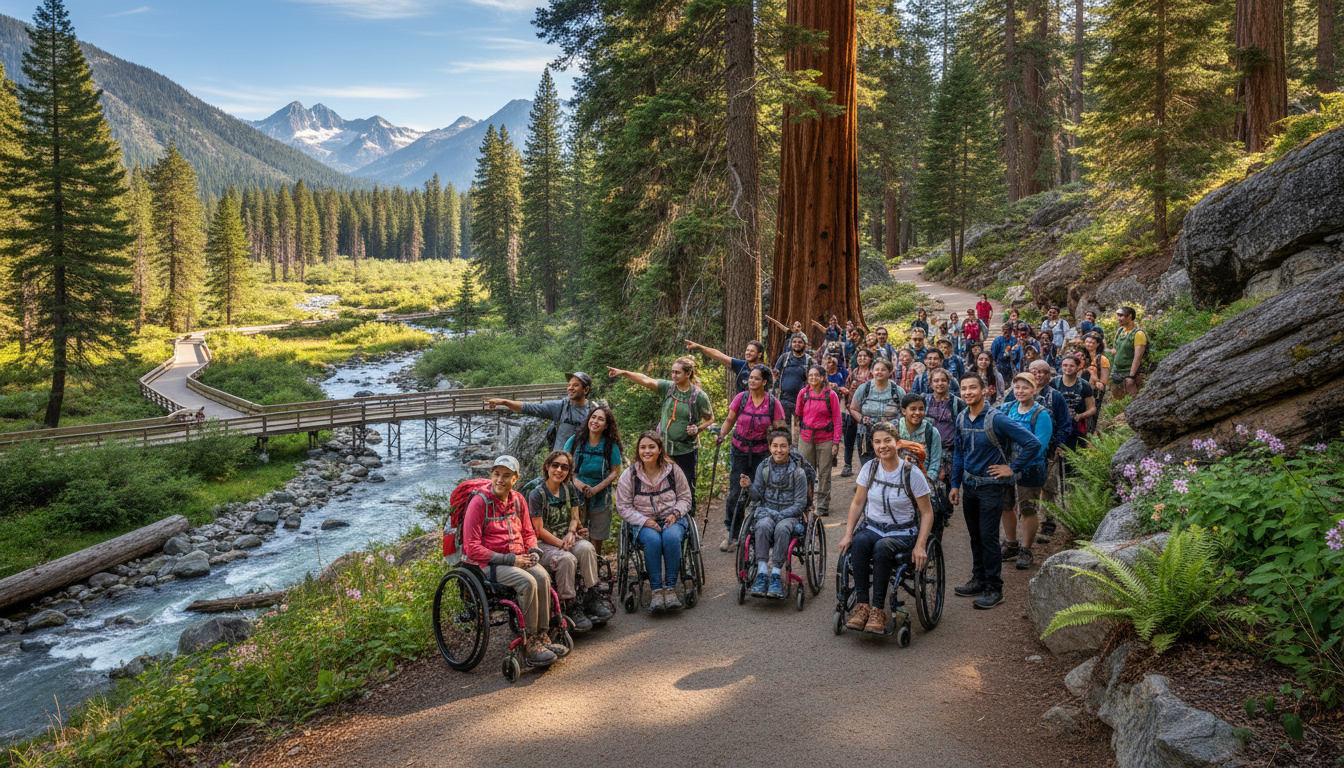

Understanding the Significance of Affirmative Action Plans in Wildlife Conservation
Navigating the Terrain: Why Affirmative Action Matters for Conservation Efforts
As the sun rises over the rugged landscape of America’s vast wilderness, another day begins not just for the wildlife that call these areas home, but also for those who strive to protect them. Affirmative action plans in environmental management are gaining attention, as stakeholders work to ensure the equitable integration of diverse perspectives in conservation efforts. But beyond the surface, what does this mean for our ecosystems, outdoor recreation, and, ultimately, the future of our natural resources?
The Core of the Matter: What Are Affirmative Action Plans?
At their essence, affirmative action plans aimed at natural resource management are strategic frameworks designed to rectify historical inequities and ensure inclusive participation in conservation and wildlife management. This initiative seeks to amplify the voices of underrepresented communities—whether hunters, hikers, or local conservationists—ensuring that a mosaic of perspectives influences decisions that affect our riparian corridors, upland habitats, and recreational spaces.
- Historical Context: Long marginalized in the sphere of wildlife management, diverse communities often lack access to the full spectrum of outdoor experiences and decision-making power.
- Current Initiatives: From state wildlife agencies to federal land management, these plans are being integrated into policy frameworks to promote not just ecological sustainability but social equity, vital for fostering the hunting and hiking communities.
Why It Matters
Expanding Horizons: The Consequences of Inclusion
Recognizing and implementing affirmative action plans has far-reaching implications:
- Enhanced Ecosystem Management: Diverse perspectives can lead to more innovative solutions for pressing conservation challenges, such as habitat restoration and species recovery, ultimately benefiting biodiversity hotspots.
- Economic Benefits: By creating avenues for inclusivity, local economies can experience growth through increased participation in outdoor recreation, guiding, and conservation-related tourism.
- Strengthening Community Bonds: These initiatives foster a sense of belonging and stewardship within communities, ensuring that future generations inherit a rich tapestry of natural heritage.
Ultimately, embracing affirmative action not only enriches the dialogue surrounding conservation but also leads to more resilient ecosystems and communities living in harmony with nature.
Field Insights: Tips for Active Participation in Conservation
What to Watch For:
-
Conservation Workshops: Keep an eye out for workshops that aim to educate diverse communities about local ecosystems and wildlife management practices. Engaging in these can be a stepping stone towards active participation.
-
Local Advocacy Groups: Connect with local conservation organizations focused on inclusivity. Their grassroots efforts often shape the policies that guide our forests, wetlands, and backcountry.
-
Policy Meetings: Attend meetings on wildlife policy and conservation planning. These venues are powerful for voicing opinions and learning how decisions are made.
-
Outdoor Volunteer Opportunities: Seek out volunteer activities in your area that focus on habitat preservation or restoration. Hands-on experience is invaluable for understanding the intricate balance of our ecosystems.
By staying informed and actively engaging in these opportunities, you contribute to a broader movement that values every voice in the quest for sustainable and equitable wildlife management.
As we venture deeper into this critical terrain, let us remember that securing the future of our natural resources relies just as heavily on who is at the table as on the strategies employed to protect our beloved outdoors. Affirmative action plans stand at the confluence of social equity and environmental stewardship—essential for a thriving natural legacy.